
Lawn
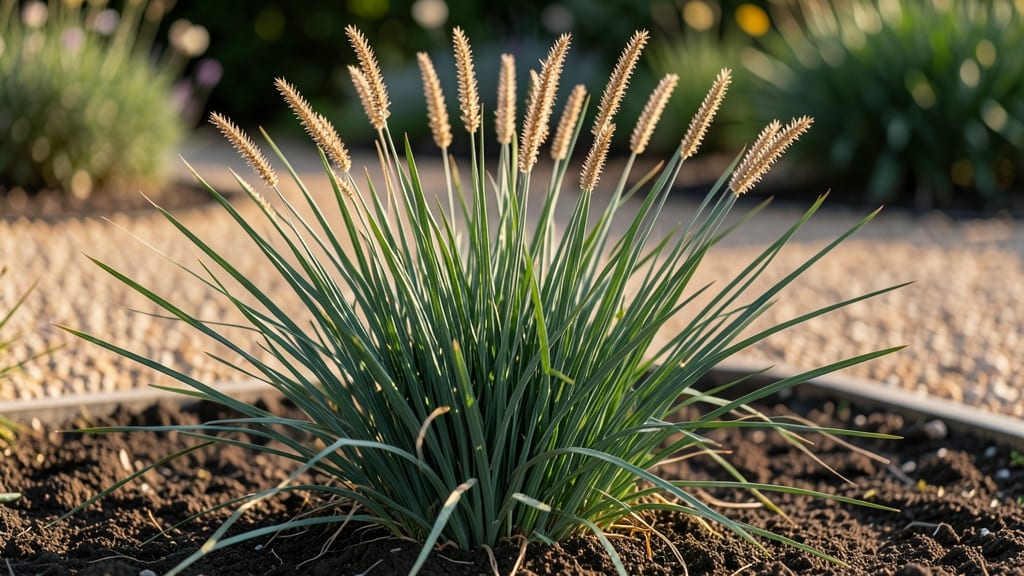
Brome grass takes over lawns like a stubborn weed, but it’s actually a tough, drought-resistant grass that can work for you—if you control it. 🌱 I’ve battled it in my own yard, and the key isn’t eradication but smart management to keep it from choking out your preferred grass.
Once you recognize its narrow leaves and aggressive spread, you’ll spot it everywhere. The problem isn’t just its spread—it’s how quickly it forms thick thatch, smothering roots and blocking nutrients. My lawn went from lush to patchy until I adjusted my mowing height and added overseeding.
The solution isn’t about removing it completely but keeping it in check so your lawn stays strong. You’ll learn to distinguish brome from desirable grasses, use the right removal methods (manual, natural, or targeted treatments), and maintain a thick, competitive lawn that outgrows it. The goal?
A resilient yard that handles drought and wear without losing its green. This works for both new lawns and established ones—just adjust the approach based on how bad the infestation is. Let’s get your lawn back in control.
Why it happens
H2: Root Causes of Unwanted Grass Spread
If you’ve noticed patches of brome grass creeping into your lawn, you’re not alone—this hardy, drought-resistant grass thrives in conditions that frustrate even the most dedicated gardeners. But why does it take over where other grasses struggle?
The answer lies in a mix of environmental factors, lawn management oversights, and the grass’s natural resilience. Let’s break down the key reasons brome grass invades lawns and how these conditions give it the upper hand.
🌱 Poor Soil Conditions Create Ideal Habitat
Brome grass (especially smooth Bromus inermis) thrives in compacted, nutrient-poor, or clay-heavy soils—exactly the kind of ground that stresses out more delicate turfgrasses like Kentucky bluegrass or fescue. Here’s how soil plays a role:
- Low organic matter: Brome grass excels in soils with minimal compost or decomposed plant material. Without organic matter, water drains too quickly or pools, creating inconsistent moisture—perfect for its deep, drought-tolerant roots.
- High clay content: Clay soils retain water but suffocate roots by limiting oxygen flow. While this stresses out shallow-rooted grasses, brome grass sends roots 6+ feet deep, accessing moisture and nutrients others can’t reach.
- Acidic or alkaline extremes: Brome grass prefers a pH between 6.0 and 7.5. If your soil tests outside this range (e.g., <6.0 for acidity or >8.0 for alkalinity), other grasses weaken, while brome grass persists, filling the gap.
Actionable fix: Conduct a soil test (kit or lab) and amend with compost, gypsum (for clay), or sulfur (for alkalinity) to improve structure and fertility. Aim for 3–5% organic matter to crowd out brome’s dominance.
💧 Watering Mistakes Favor Its Survival
Brome grass is a drought-proof champion, but its spread often starts with overwatering or irregular irrigation. Here’s how watering habits help it win:
- Deep, infrequent watering: While this is ideal for establishing deep roots in desirable grasses, it can trigger brome grass seed germination. Its seeds lie dormant until they sense consistent moisture at depth—something shallow watering won’t trigger.
- Surface puddling: If water pools on the lawn surface (common in clay soils), it creates a microclimate where brome seeds germinate rapidly. Other grasses may drown or develop fungal issues, while brome thrives.
- Neglected dry spells: Brome grass goes dormant in extreme drought but bounces back faster than many turfgrasses. If you skip watering during heatwaves, you might inadvertently select for brome over less resilient species.
Actionable fix:
- Water early morning (4–8 AM) to reduce evaporation and fungal risks.
- Adjust to 1–1.5 inches per week (including rain) and water deeply but less frequently (e.g., 2–3 times/week for 30–45 minutes).
- Use soaker hoses or drip irrigation to avoid surface puddling.
🌿 Lawn Care Gaps Leave Openings
Brome grass doesn’t just spread on its own—it exploits weaknesses in your lawn’s defense system. Common oversights include:
- Thin or bare patches: If your lawn has thin spots from disease, foot traffic, or poor seeding, brome grass seeds (often spread by wind or mower blades) colonize empty spaces faster than slow-growing turfgrasses.
- Over-fertilizing with nitrogen: A high-nitrogen lawn (e.g., >0.5 lbs N/1,000 sq ft) can fuel brome growth while weakening cool-season grasses that need balanced nutrients (N-P-K ratio like 3-1-2).
- Skipping overseeding: If you don’t reseeds lawns in early fall, brome grass fills the void. Its seeds germinate fall and spring, outcompeting slow-to-establish turfgrasses.
- Mowing too short: Cutting grass below 2.5–3 inches stresses roots and exposes soil, where brome seeds germinate. It also shades out weaker competitors.
Actionable fix:
- Reseed bare patches in fall with a turfgrass mix (e.g., tall fescue + Kentucky bluegrass) to outcompete brome.
- Adjust fertilizer to a balanced ratio (e.g., 16-4-8) and avoid late-summer nitrogen spikes.
- Mow at 3–4 inches to crowd out weeds and improve root health.
🌍 Climate and Seasonal Triggers
Brome grass is naturally aggressive in certain climates and seizes opportunities during specific seasons. Here’s how timing and weather work in its favor:
- Drought-prone regions: In areas with hot, dry summers (e.g., Midwest, Southwest U.S.), brome grass outperforms moisture-loving turfgrasses like ryegrass or bentgrass.
- Cool-season dominance: Brome grass germinates best in fall (50–70°F soil temps) and spring. If you don’t overseed during these windows, it locks in before turfgrasses wake up.
- Wind and seed dispersal: Its fluffy, wind-borne seeds travel easily, especially after mowing (seeds get caught in blades and scattered).
Actionable fix:
- In drought-prone areas, choose drought-tolerant turfgrasses like tall fescue or buffalograss to compete.
- Fall is critical: Overseed with a dense mix and apply pre-emergent herbicide in early spring to block brome seeds.
- Clean mower decks weekly to prevent seed spread.
How to Fix Unwanted Grass Spread
Dealing with brome grass creeping into your lawn? Don’t worry—this hardy grass may be tough, but it’s not invincible. Below, we break down targeted solutions for each common cause of its spread, from overgrowth to poor soil conditions, plus prevention tips to keep your lawn lush and brome-free long-term.
---
If brome grass thrives because your lawn is sparse, outcompete it with stronger turf.
#### Step 1: Overseed with Drought-Resistant Grasses 🌾 Brome grass loves thin spots—fill them with tall fescue, Kentucky bluegrass, or fine fescue, which are deeper-rooted and more competitive. - When to do it: Early fall (ideal) or spring. - How: Rent a slit seeder or use a drop spreader.
Aim for 5–8 lbs of seed per 1,000 sq ft. - Pro tip: 💡 Mix with a starter fertilizer (high phosphorus) to help roots establish fast.
#### Step 2: Mow High and Adjust Frequency ⏰ Brome grass stays low—keep your mower blades at 3–4 inches to shade it out. - Mow regularly (never remove more than ⅓ of the blade at once). - Leave clippings (they return nutrients to the soil).
#### Step 3: Hand-Pull or Spot-Treat Small Patches 🔪 For isolated brome clumps: - Pull early (when soil is moist) to avoid regrowth. - Use a weed burner (glyphosate-free) for stubborn spots—only on brome, not desired grass.
---
Brome grass often takes over when soil lacks moisture or nutrients.
#### Step 1: Deep Water Deeply 💦 - Water 1–1.5 inches per week (early morning is best). - Use soaker hoses to encourage deep root growth in your lawn grass. - Avoid shallow watering, which favors brome’s shallow roots.
#### Step 2: Aerate and Top-Dress 🏗️ Compacted soil? Core aeration (rent a machine or hire a pro) lets water and nutrients reach your lawn’s roots. - Top-dress with compost or sand (½ inch layer) to improve drainage. - Reapply seed if aeration exposes bare spots.
#### Step 3: Fertilize Smartly 🌿 Brome grass thrives in low-nutrient soil. Feed your lawn with: - Slow-release nitrogen (like milorganite) in early fall and spring. - Avoid high-phosphorus fertilizers—they can encourage weeds.
---
Brome grass germinates in cool seasons—stay ahead of it.
#### Step 1: Pre-Emergent Herbicide (Fall & Spring) ⚗️ Apply a pre-emergent like pendimethalin or prodiamine in: - Early fall (before brome seeds sprout). - Early spring (to block new growth). - ⚠️ Warning: Only use selective pre-emergents that won’t harm your lawn grass.
#### Step 2: Solarize Bare Spots (Summer) ☀️ In hot, dry summers, cover bare soil with clear plastic for 4–6 weeks to kill brome seeds before they germinate.
#### Step 3: Choose the Right Grass Seed Mix 🌱 If brome keeps returning, pick a seed blend with: - Perennial ryegrass (fast-growing, shades out weeds). - Buffalo grass (drought-tolerant, native option).
---
Once you’ve tackled brome grass, keep it from coming back with these habits:
✅ Mow consistently—never let grass grow too tall. ✅ Test soil pH (aim for 6.0–7.0)—brome loves acidic soil. ✅ Dethatch annually if layer is ½ inch or thicker (brome thrives in thatch). ✅ Use a string trimmer with caution—aggressive trimming can spread brome seeds. ✅ Mulch grass clippings—they smother weeds naturally.
--- Final Note: Patience is key—it takes 1–2 seasons to fully replace brome with a healthy lawn. Stick with the plan, and your grass will outgrow the invader! 🚀
Frequently asked questions
How can I tell if my lawn has brome grass?
Look for narrow, flat leaves (about ¼-inch wide) with a distinctive boat-shaped tip. Brome grass grows in dense clumps and often appears greener than surrounding lawn during drought. Run your hand over it—if it feels rougher than Kentucky bluegrass, that’s a good clue.
Is brome grass bad for my lawn?
Not necessarily—it’s drought-resistant and tough, but it can outcompete desirable grasses by forming thick thatch. The real issue is when it chokes out your preferred turf, creating thin, patchy areas. If left unchecked, it can also spread aggressively via windborne seeds.
Can I just mow brome grass away?
Mowing alone won’t eliminate it, but it helps control spread if you keep blades at 3–4 inches. The key is consistency—brome grass grows faster when mowed short. For best results, combine mowing with overseeding and proper fertilization to strengthen your lawn’s defenses.
What’s the fastest way to remove brome grass?
For small patches, hand-pulling (when soil is moist) works best. For larger areas, apply a selective herbicide like mesotrione (safe for lawns) in early fall. Solarizing bare spots with clear plastic for 4–6 weeks also kills seeds before germination. Patience is key—complete removal takes 1–2 seasons of consistent effort.
Will brome grass come back after treatment?
Yes, if conditions remain favorable (like poor soil or thin lawns). To prevent regrowth, improve soil health with compost, overseed with competitive grasses, and apply pre-emergent herbicide in early spring/fall. Regular mowing at 3–4 inches also helps smother new growth.