
Lawn
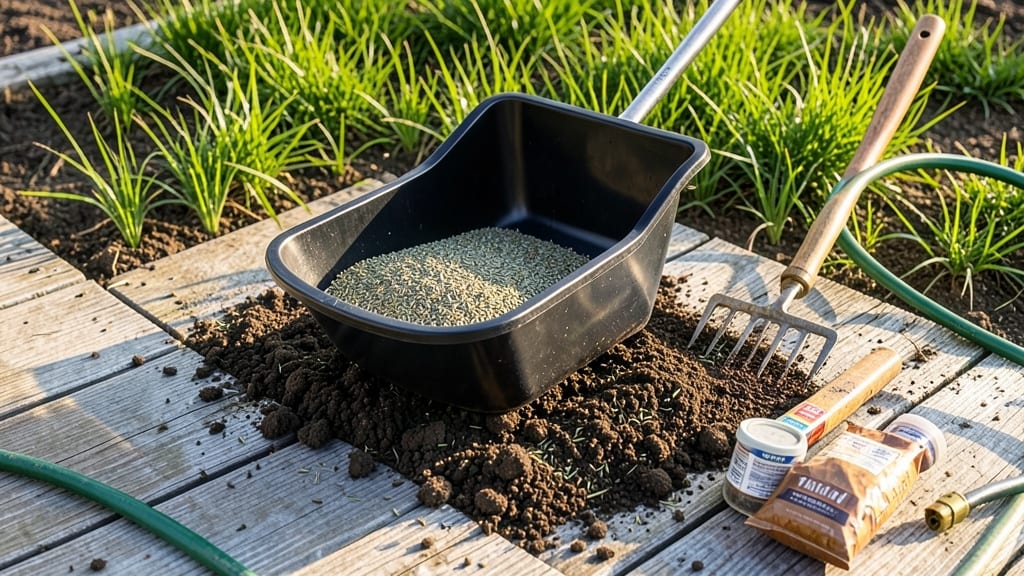
Reseeding lawn in the fall is the best time to grow thick, resilient grass before winter—when soil stays warm and weeds are less aggressive.
Picture this: You’ve spent all summer battling brown patches, only to realize your grass could’ve been lusher if you’d planted seeds just a few weeks earlier. Fall’s cooler temps help seeds germinate without stress, and established roots survive winter far better than spring starts.
But miss the window, and you’re stuck with weak grass or wasted money.
For USDA Zone 6a (like much of the Midwest), the ideal window is September to October—4 to 6 weeks before your first frost. Northern climates?
Aim for early September. Southern areas? October works best. The key is soil temps between 50°F and 65°F, where seeds wake up but don’t overheat.
Below, I’ll walk you through the exact months for your region, how to prep your soil, and the 3-step process to ensure every seed makes contact with earth—no more patchy lawns next spring.
Best fall reseeding months by USDA climate zone
Fall reseeding offers cooler temperatures and reduced weed pressure, giving grass seeds the ideal conditions to germinate and establish strong roots before winter. But the perfect timing depends entirely on your USDA climate zone—plant too early or late, and you risk poor germination or frost damage.
Let’s break down the best months for each zone, along with soil temperature guidelines to ensure success.
For cool-season grasses like tall fescue, ryegrass, and bluegrass, aim for 4-6 weeks before your first frost. This window allows seeds to sprout, develop roots, and harden off before winter dormancy.
Soil temperatures should stay between 50°F and 65°F—any colder, and germination slows dramatically. Let’s dive into the specifics for your zone.
Northern states (Zones 3-6) typically have shorter growing seasons, so timing is critical. In Zone 3, for example, you’ll want to plant by late August to early September to avoid early frosts. Meanwhile, Southern states (Zones 7-11) enjoy milder winters, extending the window to October or even November. Regional variations mean your neighbor’s ideal month might not work for you—so check your local frost dates!
🌱
| USDA Zone | Best Months | Soil Temp Range (°F) | Grass Types | Regional Notes |
|---|---|---|---|---|
| Zones 3-4 | Mid-August to early September | 50-60°F | Tall fescue, ryegrass | Early frost risk; prioritize fast-germinating seeds. |
| Zones 5-6 | Late August to mid-October | 55-65°F | Kentucky bluegrass, fine fescue | Longer window; aim for September for best results. |
| Zones 7-8 | September to early November | 60-65°F | Tall fescue, Bermuda (warm-season) | Milder winters; overseed into October. |
| Zones 9-10 | October to December | 55-60°F | Ryegrass, zoysia | Cool winters; extend window into early winter. |
| Zone 11 | November to January | 50-55°F | St. Augustine, centipede | Tropical climates; avoid summer heat. |
In Zones 3-4, where winters are harsh, late August to early September is your only shot. Use fast-germinating seeds like ryegrass to beat the clock. These northern regions also benefit from aeration before seeding—compacted soil from snowmelt can smother seeds.
For Zones 5-6, the sweet spot is September, when soil stays warm enough for germination but cools enough to reduce weed competition.
Southern zones like 7-8 offer more flexibility. Here, September to early November works well, but avoid planting too late—cool-season grasses need time to establish before winter rains.
In Zones 9-11, where frost is rare, you can even seed into December, though November is ideal for ryegrass or fescue. Just watch for soil moisture—drought in winter can stress new seedlings.
Pro tip: Use a soil thermometer to confirm temps are in the 50-65°F range before seeding. If your zone spans a transition area (e.g., Zone 6a vs. 6b), err on the earlier side—cooler microclimates can delay germination.
For example, a shady lawn in Zone 6 might need seeding in August to compensate for slower warming.
🌿
Regional quirks matter too. In the Pacific Northwest (Zones 7-8), October rains can wash away seeds, so aim for early September and use a starter fertilizer to encourage root growth. Meanwhile, in the Southeast (Zones 8-9)humidity can promote fungal diseases—choose disease-resistant varieties like tall fescue
How to prepare your lawn for fall reseeding success
Fall reseeding transforms thin lawns into lush carpets—but only if you prep correctly. The key lies in soil conditions, seed-to-soil contact, and timing. Start by adjusting your mowing height to 2-3 inches 2 weeks before seeding.
This prevents scalping and allows sunlight to reach new shoots. Tall grass shades out weeds while building energy reserves for winter.
Next, test your soil pH using a home kit (aim for 6.0-7.0). Cool-season grasses like fescue and ryegrass thrive in slightly acidic soil. If your pH is off, amend with lime (to raise) or sulfur (to lower) 4-6 weeks before planting.
This gives soil time to stabilize before seeds germinate.
For seeding rates, follow the pound-per-thousand-square-feet guideline on your seed bag. Over-seeding by 10-20% compensates for birds and uneven distribution. After planting, apply a starter fertilizer (high in phosphorus) to jumpstart root growth. Water lightly twice daily until seeds sprout—then switch to deep, infrequent watering to encourage deep roots.
Finally, protect your new seeds from birds and erosion with a thin layer of straw mulch. Avoid heavy foot traffic for 4-6 weeks—let those tiny blades focus on establishing roots before winter arrives.
With this prep, your fall-seeded lawn will outperform spring plantings by 30-50% in density and resilience.