
Mower
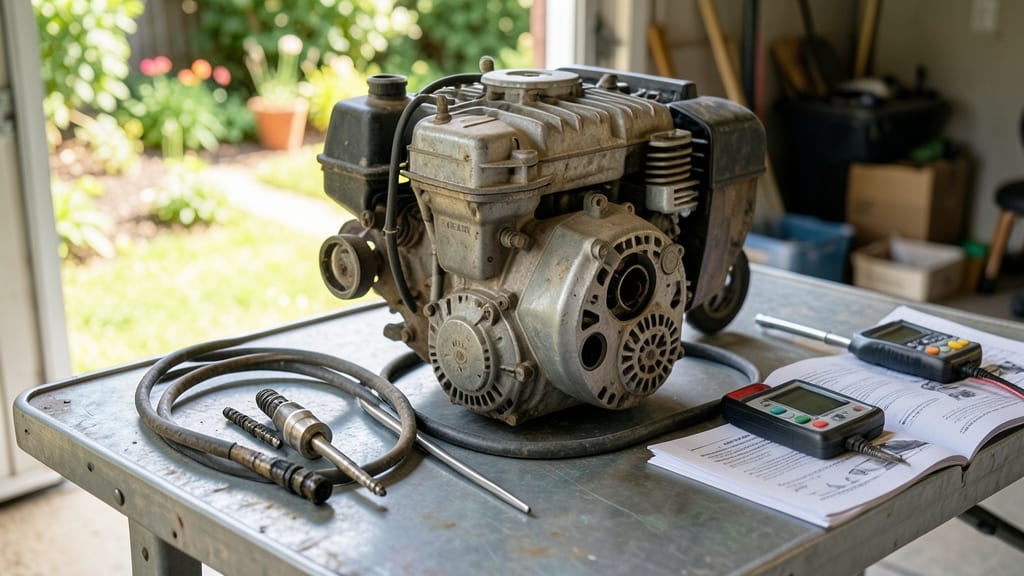
To tell if a lawn mower spark plug is bad, look for corroded or oily electrodes, heavy carbon buildup on the insulator, a cracked ceramic body, or inconsistent sparking when tested near the engine block (with proper safety precautions).
A failing spark plug often gives away its condition through visible wear. 🔥 The electrode might appear pitted or melted from overheating, while oil fouling suggests the engine's running too rich. Carbon buildup on the insulator indicates poor combustion or an overly lean fuel mix.
I always check for these signs before assuming the problem lies elsewhere in the ignition system—many mower issues start with a simple plug replacement.
For a definitive test, remove the spark plug and inspect it against a known good one. The gap should match the manufacturer's specs, usually 0.025–0.035 inches. If yours looks drastically different, that's your first clue.
When in doubt, use a spark plug tester or hold the plug near the engine block (with the ignition on) while wearing safety glasses—you should see a strong, blue spark. Anything weaker or erratic means it's time for a new plug.
💡 In This Article
- Visual Signs of a Faulty Lawn Mower Spark Plug
- Testing a Lawn Mower Spark Plug for Performance Issues
Visual signs of a faulty lawn mower spark plug
A spark plug's condition tells a story about your lawn mower's health. Start by examining the electrode gap—the space between the center and side electrodes. A healthy plug has a clean, evenly spaced gap of 0.025–0.035 inches (about the thickness of a credit card).
If the gap is wider, the plug may have worn down from repeated use or overheating. Look for pitting on the electrodes, which appears as tiny craters—this happens when the plug runs too hot, often due to incorrect heat range or poor fuel quality. 🔥
The insulator (the white ceramic part) should be clean and free of deposits. Excessive carbon buildup (black, sooty residue) suggests the engine is running too rich, meaning too much fuel is entering the combustion chamber. This often happens with old fuel, clogged carburetors, or improper air-fuel ratios.
Meanwhile, oil fouling (a shiny, oily film) indicates oil is leaking into the combustion chamber, which can happen if the piston rings are worn or the valve seals are failing. A cracked or broken insulator is a clear sign of failure—this can prevent proper sparking and should be replaced immediately.
Another red flag is carbon tracking, where black streaks form on the insulator from the electrode to the shell. This occurs when the voltage exceeds the insulator's resistance, often due to a faulty ignition coil or incorrect plug gap.
The tracking creates a path for the spark to escape, preventing it from igniting the air-fuel mixture properly. Compare your plug to a new one—if yours looks noticeably different in color, texture, or structure, it’s likely time for a replacement. 💫
Don’t overlook the plug’s overall color. A healthy spark plug should have a light tan or grayish-brown center electrode with minimal deposits. If it’s white or ashy, the plug is running too hot, which can cause pre-ignition (knocking).
Conversely, a dark gray or black plug suggests a cold-running condition, often due to the wrong heat range or poor air flow. These visual cues help diagnose whether the issue is mechanical (like oil leaks) or simply the plug needing replacement.
For a quick comparison, remove the spark plug and hold it up to a light source. A good plug will have a uniform, clean appearance, while a bad one will show signs of wear, fouling, or damage.
If you’re unsure, take a photo of your plug and compare it to online references—many manufacturers provide visual guides for common wear patterns. This visual inspection alone can save you time and money by pinpointing the exact issue before diving into more complex diagnostics. ✨