
Lawn
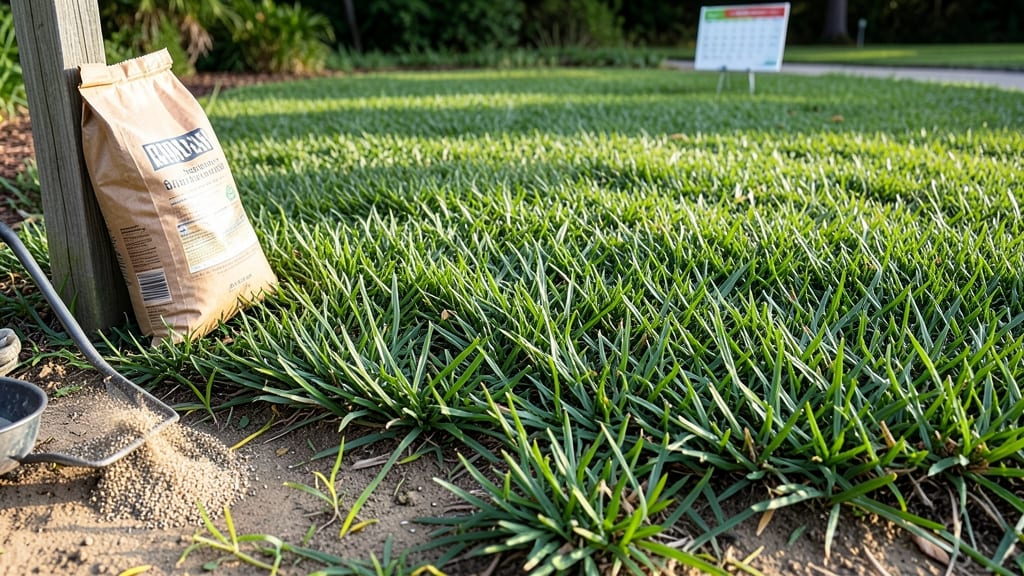
Fertilizing your lawn in North Florida at the right time—early spring and fall—is the key to a thick, heat-resistant green lawn that doesn’t waste money or burn under the sun.
North Florida’s humid summers and mild winters create a unique challenge for lawn care—fertilizing at the wrong time can leave your grass struggling or even damaged.
If you’ve ever spent money on fertilizer only to see it wash away in summer storms or fail to take hold in winter, you know how critical timing really is.
The best months to fertilize are February-March for spring and September-October for fall, when temperatures are mild and your lawn can absorb nutrients without stress. This schedule helps your grass grow strong before the brutal summer heat sets in or the cooler months slow it down.
In this guide, I’ll break down the exact timing, what type of fertilizer works best for North Florida’s sandy soil, and how to adjust for droughts or heavy rains—so you get a lush lawn without the guesswork.
Optimal fertilizing schedule for North Florida lawns: spring vs. fall timing explained
North Florida’s humid subtropical climate means your lawn faces intense heat in summer and mild winters—both extremes can stress grass if you fertilize at the wrong time. The key to a lush, heat-resistant lawn lies in understanding seasonal growth patterns and avoiding heat stress or winter dormancy.
Unlike cooler climates, North Florida’s long growing season (March through October) demands precise timing to maximize results.
Most homeowners make the mistake of fertilizing during peak summer months (June-August), which can burn grass or force weak growth. Instead, the optimal windows are early spring (February-March) and early fall (September-October). These periods align with your grass’s natural growth cycles, ensuring nutrients are used efficiently rather than wasted.
Here’s why these timings work best for North Florida lawns:
| Season | Best Months | Why This Timing? | Grass Response |
|---|---|---|---|
| Spring | February-March | Grass breaks dormancy; cooler temps prevent burn. Ideal for root establishment before summer heat. | Rapid green-up and dense growth. |
| Late Spring | April-May | Light feeding only; high temps risk burn. Focus on hydration and mowing height. | Maintains color without stress. |
| Summer | June-August | Avoid fertilizing. Grass goes dormant or stressed from heat/drought. Focus on watering and weed control. | Survival mode; no growth. |
| Fall | September-October | Cooler temps; grass rebuilds roots for winter. Critical for fall color and spring readiness. | Deep green and strong roots. |
| Winter | November-February | Skip fertilizing. Grass is dormant; nutrients waste or leach into soil. | No growth; conserve energy. |
For early spring fertilization (February-March), aim for a high-nitrogen feed (like 16-4-8) when you see new grass growth emerging. This jumpstarts your lawn after winter dormancy. Centipedegrass, common in North Florida, thrives with this timing—it avoids the heat stress that summer fertilizing causes.
In early fall (September-October), switch to a balanced fertilizer (e.g., 10-10-10) to strengthen roots before winter. This is when your lawn stores nutrients for spring recovery. St. Augustinegrass, another popular choice, benefits from this fall feeding to handle North Florida’s humidity and pests.
Pro tip: Test your soil in late winter (January-February) to check pH levels (ideal: 6.0-7.0). North Florida’s sandy soil drains quickly, so amend with compost or organic matter before fertilizing to retain nutrients. A soil test also helps you avoid over-fertilizing, which harms grass and pollutes waterways.
If you’re using slow-release fertilizers, you can split your spring feeding into two applications: once in February and again in April. For organic options, like composted manure or fish emulsion, apply in early spring and early fall to mimic natural nutrient cycles.
Just remember: organic fertilizers take longer to work, so start them 6-8 weeks before your target growth period.
One common mistake is fertilizing after rain or before a drought. North Florida’s unpredictable rain patterns can wash away nutrients, while summer droughts stress grass already struggling to absorb fertilizer.
Always check the 7-day forecast and water your lawn thoroughly 24-48 hours before and after fertilizing to ensure nutrients reach the roots.
For best results, pair your fertilization schedule with proper mowing height (e.g., 3-4 inches for most grasses) and regular watering (deep, early-morning sessions). This combo helps your lawn recover faster from heat and resist pests like chinch bugs, which thrive in <
How to choose the right fertilizer for North Florida’s climate and grass types
North Florida’s sandy soil and humid climate demand a fertilizer strategy that balances quick results with long-term grass health. The wrong choice can lead to burned grass or wasted nutrients. Let’s break down the best options for your St. Augustine, Centipede, Zoysia, or Bahiagrass lawn.
For North Florida’s hot summers, slow-release fertilizers are ideal—they provide steady nutrition without overwhelming your grass. Quick-release options can work in cooler months but risk over-fertilization when temps rise. Organic options like composted manure or fish emulsion improve soil structure, while synthetic blends offer precise nutrient control.
North Florida’s sandy soil drains quickly, so choose fertilizers with iron supplements to prevent yellowing. For St. Augustine, a 16-4-8 NPK ratio works well, while Centipede thrives on low-nitrogen blends like 10-0-10. Zoysia and Bahiagrass tolerate drought better but still need balanced feeding.
Slow-Release Fertilizers
- Steady nutrient release
- Reduces burn risk
- Longer-lasting effects
- Slower initial results
- Higher upfront cost
Quick-Release Fertilizers
- Fast green-up
- Budget-friendly
- Burn risk in heat
- Requires frequent reapplication
Organic vs. Synthetic
- Improves soil health
- Slow, natural release
- Precise nutrient control
- Faster results
For St. Augustine lawns, I recommend a slow-release blend with micronutrients like iron and zinc to combat sandy soil deficiencies. Centipede grass, common in North Florida, prefers low-nitrogen fertilizers to avoid stress. Zoysia and Bahiagrass benefit from potassium-rich fertilizers to boost drought tolerance.
Adjust your approach for sandy soil by applying fertilizer in smaller, frequent doses. Water deeply after application to help nutrients penetrate the soil. In summer, reduce frequency to avoid heat stress—opt for liquid fertilizers that absorb quickly without burning.
Test your soil every 2-3 years to adjust fertilizer ratios. North Florida’s acidic soils often need lime, while compacted areas may require organic matter. Pair your fertilizer with mulch to retain moisture and improve soil structure over time.