
Lawn
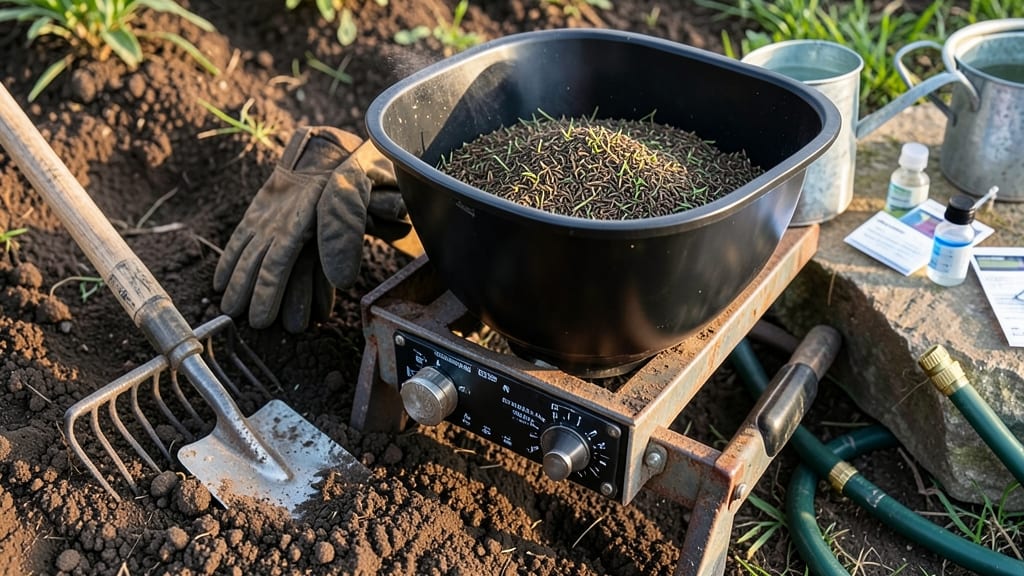
Planting lawn seed in the fall is your best shot at a thick, green lawn next spring — but get the timing wrong, and you’ll end up with bare spots or weeds taking over instead.
Fall is the perfect time to plant a lush, resilient lawn—but timing it wrong can leave you with patchy grass or wasted seeds. The key? Planting 4-6 weeks before your first frost in your USDA zone, when soil stays warm and air temps hover between 50°F and 65°F.
That’s the sweet spot for strong root growth before winter slows things down.
Why does this matter? Cool fall temperatures reduce stress on new grass, while summer’s scorching heat would fry fresh seedlings. Plus, fewer weeds compete for space, giving your lawn a head start. But here’s the catch: if you wait too late, frost can kill tender shoots before they establish.
Below, I’ll break down the exact planting window for your zone, how to prep soil for maximum germination, and the 5 mistakes that sabotage even the best-laid plans. Let’s get that lawn started right.
Fall lawn seed planting timeline by USDA hardiness zones
Fall is the golden window for planting lawn seed because cooler temperatures and increased rainfall create ideal conditions for germination and root establishment. Unlike spring planting, fall seeds have 4-6 weeks of warm soil and cool air to develop strong roots before winter dormancy.
But timing varies dramatically by USDA hardiness zone—plant too early, and weeds take over; too late, and frost stunts growth.
Your best bet is to aim for air temperatures between 50-65°F and soil temps above 50°F. These conditions encourage seedling vigor while minimizing stress. Northern climates need to plant earlier, while southern zones can extend seeding into late fall.
Let’s break down the exact windows for each zone, plus how to adjust if your fall arrives unusually early or late.
Here’s your zone-specific planting timeline, including ideal months, frost risk factors, and soil prep adjustments:
If your fall arrives unusually early or late, adjust your timeline by monitoring soil temperatures and frost forecasts. For example, in Zone 6, if temperatures drop below 50°F before October, delay planting until conditions stabilize.
Conversely, in Zone 9, if frost threatens by November, switch to winter overseeding with cold-hardy varieties like ryegrass.
Pro tip: Use a soil thermometer to confirm temps are above 50°F before seeding. Cool soil slows germination, leaving your lawn vulnerable to weeds. Pair this with a weather app tracking your local first frost date—aim to plant 4-6 weeks before that date for maximum root growth.
Northern zones (3-5) face the biggest frost risk, so prioritize fast-germinating seeds like tall fescue or perennial ryegrass. Southern zones (8-11) can handle slower-growing Bermuda grass or St. Augustine, but avoid planting if nighttime temps dip below 55°F. Always check your local extension office for microclimate adjustments.
Remember, the key to fall lawn success isn’t just timing—it’s soil prep. Loosen compacted soil, remove debris, and add compost or starter fertilizer to give seedlings a nutrient boost. With the right zone-specific window and proper care, your fall-planted lawn will outperform spring seedlings by 30-50% in resilience.
🌱
Critical soil prep steps before planting fall lawn seed
Before scattering fall lawn seed, your soil needs careful prep to ensure strong germination and establishment. Skipping this step often leads to patchy growth or wasted seeds. I’ve learned the hard way—proper soil prep is the foundation for a thick, green lawn.
Start by testing your soil pH. Grass thrives in a 6.0-7.0 range. If your soil is too acidic or alkaline, amend it with lime (to raise pH) or sulfur (to lower pH) 4-6 weeks before planting.
A simple soil test kit from your local garden center makes this easy.
✅ Step-by-Step Soil Prep for Fall Lawn Seed
- 🌱 Clear the Area: Remove all debris, rocks, and weeds. Use a rake or dethatching tool to clear the surface. Weeds compete for nutrients, so eliminate them before planting.
- 🪣 Aerate Compacted Soil: Rent a core aerator to create small holes (3-4 inches deep). This improves water and nutrient absorption. Compacted soil suffocates roots, leading to poor growth.
- 💧 Loosen Topsoil: Use a garden fork or tiller to loosen the top 2-3 inches of soil. This creates a welcoming bed for seeds to settle and sprout.
- 🌿 Add Compost or Fertilizer: Mix in 2-3 inches of compost or a slow-release fertilizer (high in phosphorus for root growth). This provides essential nutrients for early growth.
- 📏 Level the Soil: Rake the area smooth to ensure even seed distribution. Bumps can create thin spots where seeds won’t germinate properly.
- 🌱 Choose the Right Seed Ratio: Follow the package’s seed-to-soil ratio. Over-seeding wastes money, while under-seeding leaves bare patches. Aim for 1/4 to 1/2 lb per 100 sqft for most grass types.
- ☀️ Final Light Raking: Lightly rake the soil again to create a fine, textured surface. This helps seeds make contact with the soil for faster germination.
After prepping, lightly water the soil to settle it before seeding. This step ensures your seeds have the best chance to germinate in the cooler fall temperatures. Remember, consistent moisture is key—keep the soil damp (not soggy) for the first 2-3 weeks.
Proper soil prep doesn’t just help seeds sprout—it sets your lawn up for long-term resilience. With these steps, you’ll avoid common pitfalls like slow germination or weed takeover. Once your seeds are in the ground, focus on light, frequent watering to encourage strong root development before winter.
Don’t rush this process! Taking the time to prep your soil now will save you from headaches (and extra work) next spring. Your future lawn will thank you with a thick, vibrant carpet of grass. Happy planting! 🌱