
Fertilization
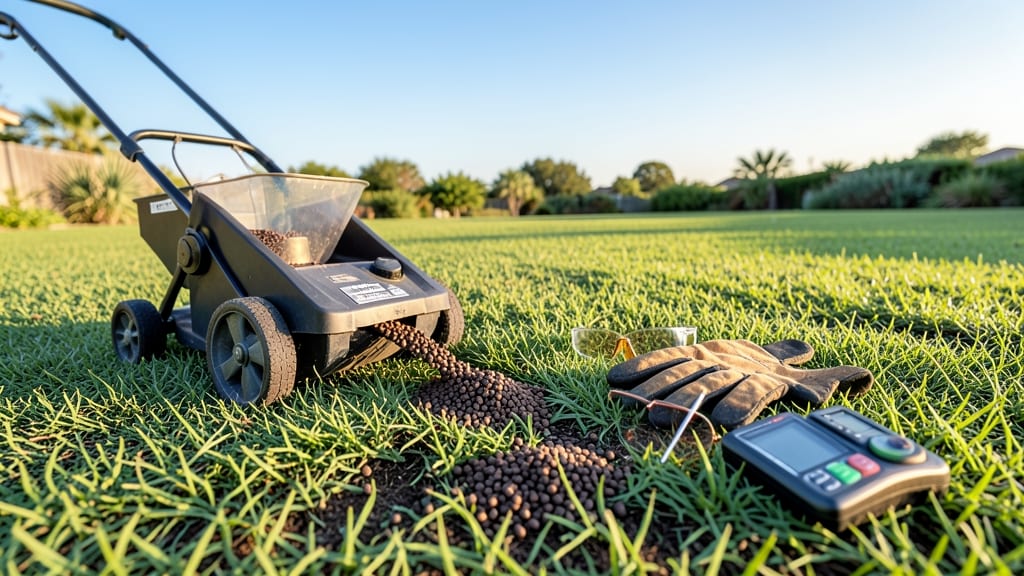
To fertilize lawn in Texas at the right time means catching those spring and fall windows when your 🌱 thrives—not when the heat tries to cook it alive.
Picture this: You’ve just spent hours mowing, and by summer’s end, your grass looks like a sun-bleached rug. That’s because fertilizing in the wrong season can turn your yard into a crispy mess, no matter how good your intentions.
The key? Timing it when roots grow fast but heat stays mild.
Texas lawns need feeding twice a year—once in early spring (February–March) to kickstart growth, and again in fall (September–October) to prep for winter. Skip summer, when the sun acts like a blowtorch, and you’ll save yourself (and your grass) a world of stress.
Below, I break down the exact months to feed your grass, the best fertilizer types for Texas soil, and how to spot when you’ve overdone it. No more guessing—just a lush, green lawn that survives the heat.
Best times to fertilize Texas lawns: spring vs. fall schedule
Texas lawns thrive when fertilized at the right time—too early or late can stress your grass, especially during our extreme heat. The ideal windows are late winter/early spring (February-March) and early fall (September-October).
These periods align with grass growth cycles and avoid summer's scorching temperatures. For warm-season grasses like Bermuda and Zoysia, spring feeding kickstarts growth, while fall fertilization strengthens roots before winter dormancy.
Cool-season grasses like St. Augustine and Tall Fescue also benefit from these timings, but their peak growth occurs slightly earlier in spring and later in fall. Soil temperatures below 60°F slow nutrient absorption, so avoid fertilizing when ground temps dip too low.
In Texas, this means no winter feeding—grass goes dormant, and fertilizers can burn rather than nourish.
Here’s how to match your grass type and Texas climate zone to the perfect fertilization schedule:
| Grass Type | Spring Fertilization Window | Fall Fertilization Window | Key Soil Temp | Fertilizer NPK Ratio |
|---|---|---|---|---|
| Bermuda | Late February–Early March | Mid-September–Early October | 65°F+ (spring), 70°F+ (fall) | 30-0-4 (high nitrogen) |
| Zoysia | March–Early April | October–Early November | 60°F+ (spring), 65°F+ (fall) | 16-4-8 (balanced) |
| St. Augustine | Early March–Mid-April | Late September–Late October | 68°F+ (spring), 70°F+ (fall) | 24-0-12 (moderate nitrogen) |
| Tall Fescue | February–March | September–October | 55°F+ (spring), 60°F+ (fall) | 20-5-10 (slow-release) |
| Buffalo Grass | March–April | October–November | 60°F+ (spring), 65°F+ (fall) | 12-12-12 (low nitrogen) |
For North Texas (USDA Zones 7b-8a), aim for February 15–March 15 in spring and September 15–October 15 in fall. In South Texas (Zones 9a-10a), shift slightly later: March 1–April 1 for spring and October 1–November 1 for fall.
The key is to fertilize 6–8 weeks before the first expected frost in your area, giving grass time to absorb nutrients before dormancy.
Always choose a slow-release fertilizer in summer to prevent burning. In spring and fall, opt for high-nitrogen blends (like 30-0-4) for warm-season grasses or balanced formulas (16-4-8) for cool-season types. Apply fertilizer in the early morning or evening to avoid midday heat stress, and water lightly afterward to activate nutrients.
Texas’ clay-heavy soils can lock out nutrients, so consider a soil test before fertilizing. If your lawn looks yellow or patchy after feeding, you may have overdone it—flushing the soil with water can help.
For newly seeded lawns, wait until the grass is 3–4 inches tall before fertilizing to avoid burning tender shoots.
Pro tip: Mark your calendar for late February and September—these are the golden windows for Texas lawns. A well-timed feeding in spring jumpstarts growth, while fall fertilization builds root strength for winter resilience.
Skip summer fertilizing unless you’re using drought-tolerant grasses like Bermuda, which can handle light feedings in early summer.
Remember, over-fertilizing is worse than under-fertilizing. Start with half the recommended dose and observe your lawn’s response before applying more. With the right timing, your Texas lawn will stay green, dense, and heat-resistant all year.
🌱
Texas-specific fertilizer types and application tips
Choosing the right fertilizer type for your Texas lawn starts with understanding your grass type and soil conditions. Clay soils common in Texas need extra attention—micronutrients like iron and manganese prevent yellowing, while sandy soils drain too quickly, requiring slow-release formulas to avoid nutrient runoff.
My go-to for clay-heavy yards? A balanced 16-4-8 NPK with added sulfur to break up compacted soil.
For quick-release fertilizers, I recommend them only in early spring or late fall when temperatures stay mild. Slow-release options are far safer for Texas summers—they feed grass steadily without risking burn damage from sudden nitrogen spikes.
Look for polymer-coated granules or organic options like composted manure blends, which also improve soil structure over time.
Texas heat demands heat-tolerant grass varieties like Bermuda or Zoysia, which thrive with slow-release nitrogen. These grasses need less frequent watering but benefit from micronutrient boosts like zinc and magnesium.
I mix a liquid iron supplement into my irrigation system every 6 weeks during peak heat to keep blades vibrant without overloading roots.
🌱 Key Takeaway: Texas Fertilizer Guide
Spring (Feb-Mar) & Fall (Sep-Oct)
Slow-release only in summer
Iron + sulfur for clay
Early morning (avoid heat)
💡 Pro Tip: Always water lawn deeply 24 hours before fertilizing to prevent burn damage from concentrated nutrients.
Application technique matters just as much as the fertilizer itself. I always mow first to remove thatch, then use a broadcast spreader set to the manufacturer’s recommended rate for your grass type.
For clay soils, I double-check coverage by walking the lawn in a grid pattern—missed spots show up as pale patches within days. After spreading, I lightly water the lawn to activate the fertilizer without washing it away.
Texas’ summer droughts make organic fertilizers a smarter long-term choice. Products like fish emulsion or seaweed extracts improve root depth and drought resistance while feeding beneficial microbes. I blend these with my slow-release granules in a 50/50 ratio during June-August to keep grass green without stressing roots.
The trade-off? Organic options cost more upfront but pay off in heat resilience.
Don’t forget to test your soil every 2-3 years—Texas’ alkaline soils often lack phosphorus or potassium. A simple home test kit ($20 at garden centers) reveals deficiencies before they cause stunted growth.
If your lawn tests high in phosphorus, switch to a low-P formula like 15-0-15 to avoid environmental runoff while still supporting root development.