
Lawn
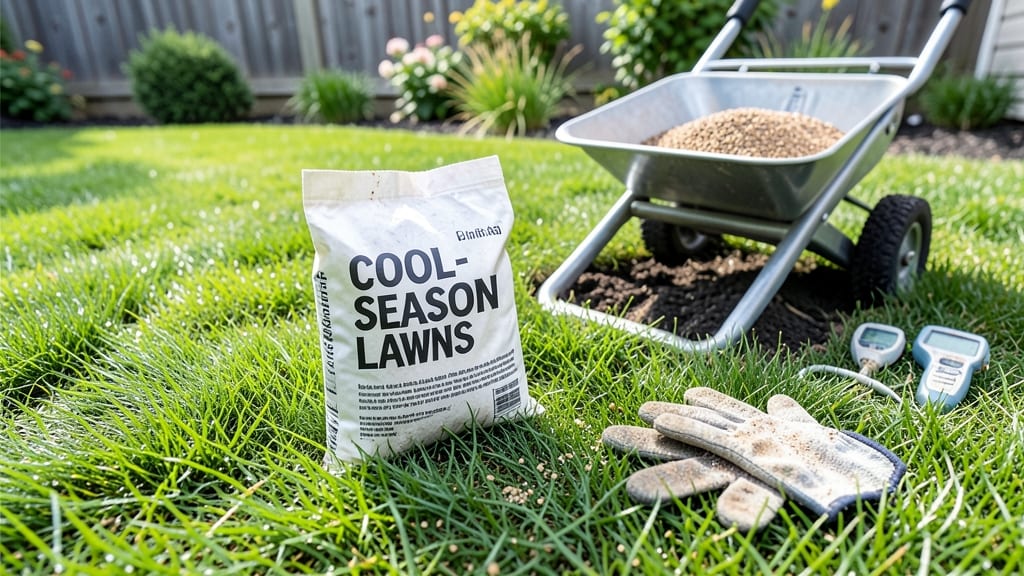
Fertilizing your Colorado lawn at the right time—spring and fall—makes all the difference between a lush green carpet and a patchy, struggling yard.
Here’s the catch: Colorado’s diverse climate zones—from Denver’s high-altitude chill to the Western Slope’s dry heat—mean a one-size-fits-all schedule won’t work. Get it wrong, and you might waste money, burn your grass, or even invite weeds.
In this guide, I’ll break down the exact months to fertilize based on your region, how to adjust for drought or altitude, and the three-step process to keep your lawn thriving without overdoing it.
Whether you’re in Denver’s Zone 5b or Grand Junction’s Zone 7b, you’ll leave here with a fertilization plan tailored to your yard’s needs—and a lawn that stays green all season long.
Best fertilization schedule for Colorado’s 3 climate zones
Colorado’s three distinct climate zones—Front Range, Western Slope, and Eastern Plains—each demand a tailored fertilization approach. The Front Range’s cool, high-altitude conditions (like Denver’s Zone 5b) thrive with early spring feeds, while the Western Slope’s hot, dry summers (Zone 7b) need lighter summer applications.
Meanwhile, the Eastern Plains’ windy, low-humidity environment (Zone 6a) benefits from fall prepping for winter resilience.
Your lawn’s growth cycle and temperature thresholds dictate the best times to fertilize. For example, grass in Denver should get its first feed when soil temps hit 50°F (10°C) in March, while Grand Junction’s lawns can wait until April when temps stabilize above 55°F (13°C).
Over-fertilizing in these zones can lead to burnt grass or wasted nutrients—especially in drought-prone areas.
Below is a month-by-month breakdown for each zone, including temperature triggers and seasonal adjustments to keep your lawn lush without overdoing it. Use this as your guide to timing, type, and amount of fertilizer for optimal results.
| Climate Zone | Month | Soil Temp Threshold | Fertilizer Type | Notes |
|---|---|---|---|---|
| Front Range (Denver, Boulder) | March | 50°F (10°C) | High-nitrogen (16-4-8) | Encourages root growth before summer |
| Front Range | April-May | 55°F+ (13°C+) | Balanced (10-10-10) | Light feed every 6-8 weeks |
| Front Range | September | 60°F (16°C) | Slow-release nitrogen | Strengthens roots for winter |
| Western Slope (Grand Junction) | April | 55°F+ (13°C+) | Low-nitrogen (8-4-8) | Avoids summer stress |
| Western Slope | June-July | 70°F+ (21°C+) | Drought-resistant blend | Light application only |
| Western Slope | September-October | 65°F (18°C) | Winterizer (12-0-0) | Preps for dry winters |
| Eastern Plains (Lamar, Greeley) | March-April | 45°F (7°C) | High-potassium (10-5-10) | Fights wind damage |
| Eastern Plains | May | 60°F+ (16°C+) | Weed-and-feed | Controls c
Signs your Colorado lawn needs fertilizer (and when to act)If your Colorado lawn is showing signs of stress or uneven growth, it’s likely begging for nutrients. Yellowing patches, slow recovery after drought, or thin spots that won’t fill in are clear red flags. These aren’t just cosmetic issues—they’re your grass’s way of saying, “Feed me!” But before you grab that fertilizer bag, let’s diagnose the problem first. Colorado’s alkaline soils (pH often 7.5–8.5) can lock out essential nutrients like iron and phosphorus, even if your lawn looks green. A simple soil test (available at local Cooperative Extension offices) will tell you if your grass is starving for nitrogen, phosphorus, or micronutrients. Without this step, you might be wasting money on the wrong fertilizer—or worse, overfeeding and burning your lawn. Here’s the good news: Most Colorado lawns need fertilizer twice a year—in early spring (March–April) and early fall (September–October). But timing isn’t everything. Your grass’s visual cues and tactile feedback (like spongy spots or weak blades) will help you decide when to act. Let’s break it down: 🌱 When Your Lawn Needs Fertilizer
⚠️ When to WAIT
Don’t ignore soil pH—it’s the silent saboteur of healthy lawns. If your soil test shows a pH above 7.5, your grass can’t access iron or manganese, even with fertilizer. Lime can help, but apply it 3–4 months before fertilizing to avoid shocking the soil. For most Colorado lawns, a balanced 16-4-8 fertilizer (high nitrogen) works best in spring, while a lower-nitrogen, high-potassium feed (like 10-10-20) is ideal for fall. Pro tip: If your lawn is drought-stressed, hold off on fertilizer until you’ve watered deeply for 2–3 weeks. Fertilizing stressed grass is like feeding a sick person junk food—it won’t help and might make things worse. Start with ½ the recommended dose to avoid overloading your lawn’s system. Now’s the time to act! Grab your soil test kit, check for those yellow flags, and give your Colorado lawn the nutrients it craves—before weeds or winter take over. Your green, resilient yard will thank you all season long. 🌿 |