
Lawn
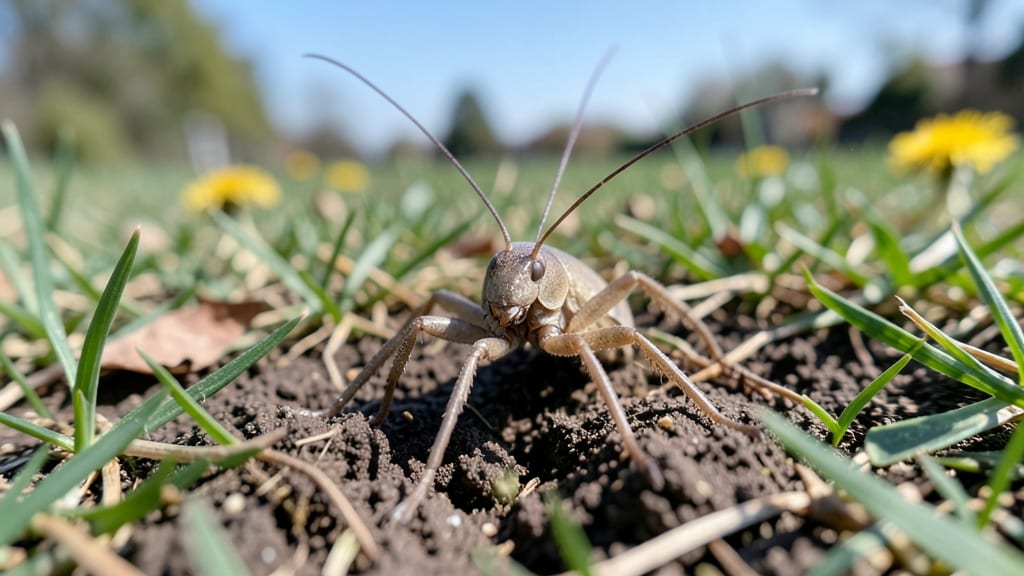
Cricket moles tunneling through your lawn leave behind a mess of raised ridges and chewed grass—and the wrong solution can make it worse. 🌱 I’ve spent years watching these critters destroy lawns, only to learn that most "quick fixes" either fail or poison the soil for years.
The good news? Natural methods work just as well when you know what you’re dealing with—and when to call in backup. First, you need to tell crickets from moles (yes, they’re different!).
Cricket damage looks like shallow, jagged holes along the surface, while moles create deep, smooth tunnels with fresh dirt mounds. Both ruin grass, but their fixes couldn’t be more different: one needs barriers, the other needs repellents.
My lawn went from patchy to thick and green in under a month after switching to targeted, chemical-free tactics. The secret isn’t just trapping or spraying—it’s understanding their behavior. Crickets hide in thatch; moles dig for grubs.
By addressing the real problem (grubs for moles, moisture for crickets), you break their cycle without harming your yard’s ecosystem. I’ll show you how to outsmart them using what’s already in your garden shed. This works for any lawn size, from small suburban yards to large rural pastures.
No more guessing—just proven steps that protect your grass and the critters that call it home.
The Hidden Triggers Behind Lawn Invaders
Your lawn isn’t just a patch of grass—it’s a bustling ecosystem where tiny critters like cricket moles (or their close cousins, mole crickets) thrive when conditions align just right. Understanding why these pests show up in the first place is the first step to keeping them out naturally.
Below, we break down the key factors that turn your yard into an all-you-can-eat buffet for these subterranean guests.
Cricket moles and mole crickets love moist soil—it’s their ideal habitat for digging tunnels and laying eggs. Here’s why overwatering or poor drainage creates a paradise for them:
- Excess moisture: These pests can’t survive in dry conditions, so lawns with consistent dampness (think sprinklers on a timer or clay-heavy soil) become their hotspot. 💡 Pro tip: Test your soil’s drainage by digging a 6-inch hole and filling it with water—if it doesn’t drain in 4–6 hours, you’ve got a problem.
- Soft, aerated soil: Overwatering weakens grass roots, making the soil easier to tunnel through. Cricket moles prefer loose, crumbly dirt—like a five-star hotel for burrowing.
- Standing water: Puddles or soggy spots after rain? These pests use them as breeding grounds. Females lay eggs in damp soil, and larvae hatch ready to munch on roots.
Actionable fix: Adjust your watering schedule to deep but infrequent sessions (early morning is best) and consider aerating compacted soil to improve drainage.
Cricket moles aren’t picky eaters—they’ll dine on grass roots, insects, and even organic debris. If your lawn is a smorgasbord, they’ll move in permanently. Here’s what attracts them:
| Food Source | Why It’s Irresistible |
|---|---|
| Thatch buildup | Thick layers of dead grass and debris create hidden tunnels and trap moisture—perfect for nesting. |
| Grubs (larvae of beetles) | Cricket moles eat grubs voraciously. If your lawn has a grub infestation, it’s a magnet for these pests. |
| Weak or thin grass | Patchy lawns expose soil, making it easier for them to dig and expand their territory. |
| Compost or mulch piles | Organic matter decays into moisture-rich soil, mimicking their natural habitat. |
Actionable fix: Reduce thatch with a dethatching rake, treat grub infestations with beneficial nematodes, and overseed bare spots to crowd out pests.
Cricket moles are nocturnal and prefer undisturbed environments where they can hide during the day. Here’s how your lawn might be inviting them:
- Thick mulch or leaf litter: These pests burrow under organic cover, staying hidden from predators (like birds or toads) and heat.
- Shady or damp corners: Areas with low sunlight stay cooler and moister longer—ideal for their survival.
- Minimal human activity: If you rarely walk on your lawn, their tunnels go unnoticed, giving them free rein to expand their colony.
Actionable fix: Rake up debris regularly, especially in fall/winter, and mow high (3–4 inches) to expose tunnels and deter nesting.
In a healthy ecosystem, birds, toads, and snakes keep cricket mole populations in check. But if these predators are missing, the pests multiply unchecked. Common reasons for their absence:
- Pesticide use: Chemicals like neonicotinoids kill beneficial insects (like beetles) and repel natural predators.
- Lack of habitat diversity: Monoculture lawns (just grass) offer no shelter for toads or birds, so they move elsewhere.
- Light pollution or noise: Artificial lights or loud equipment scare off nocturnal predators like owls or bats.
Actionable fix: Plant native wildflowers or shrubs to attract predators, and avoid broad-spectrum pesticides to preserve the food chain.
Cricket moles aren’t year-round residents—they peak in activity during warm, wet seasons. Here’s their life cycle and why timing matters:
| Season | Why They’re Active | Your Lawn’s Risk Level |
|---|---|---|
| Spring (March–May) | Adults emerge to mate and lay eggs in moist soil. | ⚠️ High—larvae hatch and start feeding on roots. |
| Summer (June–August) | Larvae grow rapidly in warm, damp conditions. | ⚠️ Critical—peak damage to grass and gardens. |
| Fall (September–November) | Adults prepare for winter by digging deeper tunnels. | ⚠️ Moderate—focus on preventive measures before cold sets in. |
| Winter (December–February) | Mostly dormant, but eggs survive in soil. | 🟢 Low—but scouting now helps plan spring defense. |
Actionable fix: Set up traps or barriers in early spring before egg-laying season, and aerate in fall to disrupt their winter hideouts.
Quick Fixes for Lawn Pests
Cricket moles—those tiny, tunneling troublemakers—can turn your lush lawn into a maze of unsightly mounds and uneven patches. But before reaching for harsh chemicals, try these natural, effective solutions tailored to the root causes of their invasion.
Below, we’ve broken down fixes by the most common triggers, along with prevention tips to keep your yard mole-free long-term.
---
Cricket moles thrive in moist, loose soil, so if your lawn stays soggy, you’re basically rolling out the welcome mat. Here’s how to fix it:
- 🍳 Reduce Watering Frequency Water deeply 2-3 times per week (early morning) instead of daily light sprinkles. Aim for 1 inch of water per week—this encourages deeper root growth and dries out surface tunnels.
- 👨🍳 Improve Drainage If your yard floods after rain, amend the soil with compost or sand (50/50 mix) to loosen compacted areas. For severe drainage issues, consider French drains or swales (shallow trenches) to redirect water.
- ⏰ Let the Soil Breathe Avoid heavy foot traffic on wet grass. Use gravel paths or stepping stones in high-traffic areas to prevent soil compaction.
💡 Pro Tip: Test your soil’s moisture level by grabbing a handful—if it forms a tight ball, it’s too wet. Aim for a crumbly texture.
---
Cricket moles love decaying matter, fallen leaves, and thick mulch layers. Clear their food sources to discourage them:
- 🔪 Rake Up Debris Remove leaves, grass clippings, and mulch piles from the lawn surface. Focus on edges where moles tunnel near woodpiles or compost heaps.
- 🌡️ Adjust Mulch Depth Keep mulch 2-3 inches deep (not deeper) and use coarse mulch (like pine straw or wood chips) instead of fine, moisture-retaining options.
- 🎯 Secure Compost Bins Store compost bins at least 10 feet from your lawn and use metal or tightly woven bins to block easy access.
--- Thick, shady lawns provide cricket moles with cover and cool, damp conditions. Thin out the grass to make your yard less inviting:
- ✂️ Mow Higher & Less Frequently Set your mower to 3-4 inches to strengthen grass roots and reduce moisture retention. Mow once a week (or every 10 days in slow growth seasons).
- ☀️ Thin Out Dense Areas Overseed bare or thin patches with sun-loving grasses like tall fescue or Kentucky bluegrass. Avoid shade-tolerant varieties like fine fescue, which moles prefer.
- 🌿 Add Perennial Ground Covers Plant clover or creeping thyme in sunny spots—they deter moles naturally and improve soil aeration.
--- Once you’ve addressed the root causes, lock in your progress with these long-term strategies:
| Problem | Solution | Frequency | |---------------------------|---------------------------------------|------------------------| | Moisture-loving pests | Install soil moisture sensors | Check weekly | | Debris buildup | Monthly lawn cleanup | Every 4 weeks | | Shady, thick grass | Seasonal overseeding | Spring & fall | | Lawn edges attract moles | Apply castor oil repellent | Every 2 weeks |
💡 Pro Tip: Sprinkle dried blood meal or iron phosphate granules (organic mole repellents) along tunnel entry points. The strong scent confuses their navigation systems.
--- If tunnels persist after 4-6 weeks of DIY fixes, or if you spot larger molehills (signs of voles or gophers), consult a local pest control expert. They can assess whether cricket moles have evolved into a bigger infestation requiring professional intervention.
--- Final Thought: Cricket moles are more of a nuisance than a threat, but a little elbow grease now saves hours of frustration later. Start with drainage fixes and lawn thinning, then maintain a clean, well-aerated yard—your grass (and your sanity) will thank you!
Frequently asked questions
How can I tell if I have cricket moles vs. regular moles in my lawn?
Cricket moles create shallow, jagged tunnels near the surface (about 1-2 inches deep) with small mounds of dirt, while regular moles make smooth, deeper tunnels (6+ inches) with larger, volcano-shaped mounds. Look for irregular holes along the grass blades—that’s cricket mole damage. Regular moles leave clean, raised ridges.
Are cricket moles harmful to my lawn beyond the tunnels?
While they don’t eat grass like grubs do, their tunneling strangles roots by cutting off oxygen and water. Over time, this causes brown patches and weak spots that invite weeds. The real danger? Their tunnels create perfect conditions for fungus and soil compaction, which stunts grass growth even after they’re gone.
What’s the fastest natural way to get rid of cricket moles already in my lawn?
Try a castor oil repellent spray (mix 2 tablespoons castor oil with 1 teaspoon dish soap and 1 gallon water)—spray directly on tunnels and entry points. For immediate results, set bucket traps (bury a bucket with a ramp inside) along active tunnels. Check traps daily for 3-5 days for best results.
Will my lawn recover after cricket moles leave?
Yes, but it may take 4-6 weeks of proper care. Overseed bare spots immediately with tall fescue or perennial ryegrass, and aerate the soil to help roots recover. Avoid heavy foot traffic until new growth appears. For stubborn patches, apply a slow-release fertilizer to boost recovery.
Can cricket moles come back next year if I don’t treat the soil?
Absolutely—they’re annual visitors if conditions stay right. To prevent recurrence, improve drainage (test soil moisture weekly), reduce thatch with a dethatching rake, and plant clover or thyme in sunny areas. These changes disrupt their nesting habits and food sources, making your lawn less appealing.