
Lawn
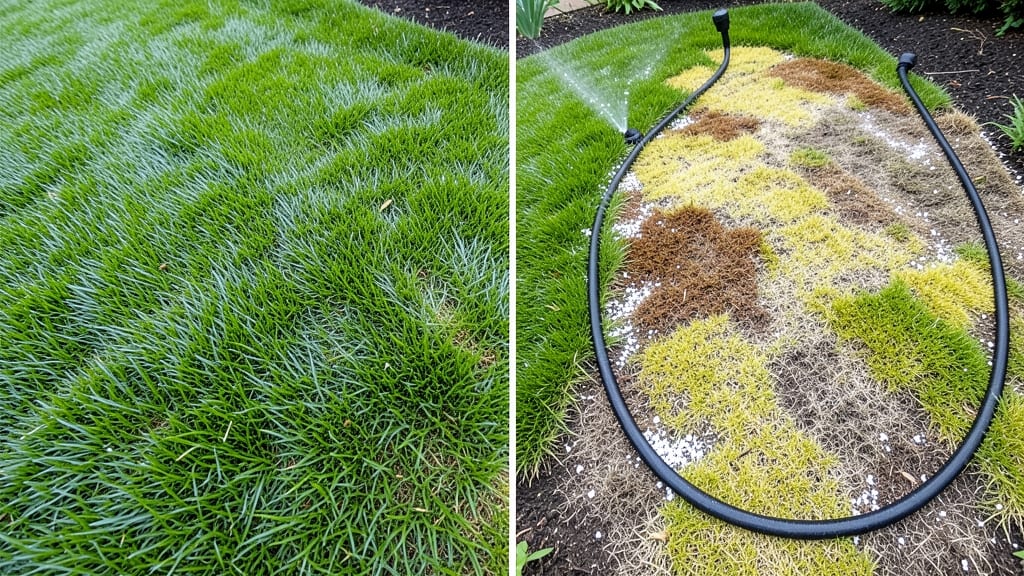
Seeing dog urine ruining your lawn isn’t just unsightly—it’s a fast-acting problem that can kill grass in 24 hours if ignored. 🌱 I’ve seen patches of lush Kentucky bluegrass turn brown overnight from a single pee, and the good news is, you can reverse it with the right steps.
The key is acting fast and understanding why urine damages grass in the first place.
The culprit isn’t just the urine itself—it’s the high nitrogen content that creates a chemical burn, while the acidity disrupts soil pH. You’ll spot damage as yellow or brown patches that feel dry to the touch, often surrounded by healthy grass.
The faster you dilute and neutralize the area, the better your lawn’s chances of bouncing back.
Within 24 hours, you can restore affected spots using a simple dilution method: mix equal parts water and vinegar, then gently water the area. For deeper damage, overseed with shade-tolerant grass like fine fescue. Most lawns recover fully in 2-3 weeks with consistent care and prevention.
Prevention is easier than repair—train your dog to pee in one spot (like a gravel area), or use dog-friendly urine-neutralizing products to break down nitrogen before it harms the grass. Small adjustments make a big difference over time.
The Hidden Reasons Your Lawn Suffers
Dog urine isn’t just a nuisance—it’s a chemical attack on your lawn. The damage happens fast, often within hours, and the culprits are a mix of natural compounds that disrupt your grass’s ability to thrive.
Understanding these root causes is the first step to protecting your yard. Let’s break down why dog urine turns lush green into patchy brown.
When your dog pees, their urine is packed with ammonia (NH₃) and nitrogen (N), both of which are byproducts of protein metabolism. While nitrogen is a key nutrient for grass, the concentration in fresh urine is far too high for roots to absorb safely. Here’s what happens:
- Instant Burn: Ammonia is highly alkaline (pH ~8.5–9.0), which burns grass blades on contact, causing them to yellow or brown within hours.
- Root Stress: The sudden nitrogen spike overwhelms root systems, disrupting nutrient uptake and water absorption. Think of it like drinking a gallon of saltwater—your grass can’t process it.
- Soil pH Spike: Repeated urination raises soil pH, making it harder for grass to access phosphorus and iron, leading to chlorosis (yellowing between veins).
Actionable Insight: Dilution is key! Watering the spot immediately (even just a splash) lowers ammonia levels and reduces burn risk. For high-traffic areas, train your dog to pee in one spot and flush it daily.
Dog urine also contains sodium, potassium, and other minerals in concentrations that mimic fertilizer burn. While these minerals are essential in small doses, they become toxic when overapplied:
| Mineral | Effect on Grass | Symptoms |
|---|---|---|
| Sodium (Na) | Disrupts water absorption in roots | Wilting, crispy edges on blades |
| Potassium (K) | Overstimulates growth, then crashes | Soft, mushy grass that recedes |
| Calcium (Ca) | Hardens soil structure, reducing aeration | Compacted soil, shallow roots |
Pro Tip: If your lawn has hard water (high in minerals), the problem worsens. Test your soil’s pH and mineral levels annually—ideal grass pH is 6.0–7.0. If it’s off, amend with gypsum (for sodium) or sulfur (for alkalinity).
Urinary compounds don’t just harm grass—they also alter soil microbiomes, the tiny organisms that break down organic matter and cycle nutrients. Here’s how:
- Fungal Overgrowth: Ammonia favors pathogenic fungi like Fusarium, which compete with beneficial microbes and weaken grass roots.
- Bacterial Imbalance: Harmful bacteria (e.g., Pseudomonas) thrive in urine’s high-nitrogen environment, outcompeting nitrogen-fixing bacteria that grass relies on.
- Enzyme Inhibition: Soil enzymes (like urease, which breaks down urea) get overwhelmed, leaving excess nitrogen in toxic forms.
Science-Backed Fix: Apply a compost tea or mycorrhizal fungi to repopulate beneficial microbes. These organisms help grass recover by improving nutrient uptake and outcompeting harmful pathogens.
Not all lawns suffer equally—two factors amplify urine damage:
- Drought or Heat: Grass under stress (e.g., during summer) has less tolerance for ammonia burns. Even a single pee can kill blades in dry conditions.
- Grass Species Sensitivity:
- Bermuda grass and Zoysia are highly resistant to urine due to thick blades.
- Kentucky bluegrass and Fescue are moderately sensitive—they’ll recover but may scar.
- St. Augustine and Ryegrass are most vulnerable—they often die back permanently.
Quick Adjustment: If your lawn is prone to urine damage, overseed with clover or creeping charlie—these plants are urine-tolerant and crowd out dead patches.
Quick Fixes for Dog Urine Damage
If your lawn is suffering from dog urine stains and patchy brown spots, don’t panic—there are fast, effective ways to neutralize the damage and restore your grass. The key is acting quickly, using the right methods for the cause of the problem (acid burn, over-fertilization, or soil compaction).
Below, we break down solutions by the most common culprits, plus prevention tips to keep your lawn lush and healthy.
Dog urine is highly acidic, and if it’s the main issue, you’ll need to balance the pH of the affected area. Here’s how:
#### 🍳 Rinse Immediately (First 30 Minutes) - Dilute the urine by hosing down the spot with water for at least 30 seconds. This helps prevent deep acid penetration. - Use a garden hose on a gentle setting—avoid pressure washers, which can damage grass. #### 👨🍳 Apply a pH-Balancing Agent - Baking soda (sodium bicarbonate) is a cheap, natural fix. Mix 1 tablespoon per gallon of water, then lightly spray the area. - Lime (garden lime, not quicklime!) is another great option. Sprinkle ½ cup per 10 sq. ft. and water lightly. - Commercial lawn neutralizers (like Simple Lawn Solutions) contain phosphorus and nitrogen to counteract acidity. #### 🥘 Overseed the Spot (If Grass is Dead) - If the grass turns yellow or brown, it’s likely dead. Scratch the soil lightly with a rake, then sprinkle new grass seed and cover with a thin layer of soil. - Keep the area moist but not soggy for 2–3 weeks until new grass sprouts.If your dog’s urine is causing fertilizer burn (common if you’ve recently applied lawn food), the solution is similar but focuses on reducing nutrient overload.
#### 🔪 Stop Fertilizing the Spot - Avoid adding any fertilizer for at least 4–6 weeks to let the soil recover. - If you must fertilize, use a low-nitrogen, slow-release formula (like a 5-10-10 blend). #### ⏰ Deep Watering to Leach Excess Nutrients - Water the affected area deeply (1–2 inches) over 2–3 days to help flush out excess salts and nutrients. - Use a soaker hose for even distribution. #### 🌡️ Soil Test Before Reapplying Fertilizer - Purchase a DIY soil test kit (available at garden centers) to check pH and nutrient levels. - If the soil is still too alkaline, apply sulfur or peat moss to lower the pH gradually.If your lawn has hard, compacted soil from frequent dog traffic, urine damage will be worse. Here’s how to fix it:
#### ✨ Core Aeration (Best Long-Term Fix) - Rent a core aerator (or hire a lawn service) to pull small soil plugs from the lawn. This relieves compaction and lets air, water, and nutrients penetrate. - Best time: Early fall or spring when grass is actively growing. #### 💡 Top Dress with Organic Matter - Spread a ¼-inch layer of compost or sand over the aerated areas, then lightly rake in. - This improves soil structure and helps grass roots grow deeper. #### 🎯 Train Your Dog to Pee in One Spot - If your dog frequently urinates in the same areas, redirect them to a designated "potty patch" (like a mulch bed or gravel area). - Use artificial turf or pebbles in high-traffic spots to protect the grass.Once you’ve fixed the damage, keep your lawn healthy with these proactive strategies:
#### 🔥 Dilute Urine on the Spot - Train your dog to pee in a shallow dish of water (yes, really!) to dilute the urine before it hits the grass. - Or, rinse the area immediately after your dog goes—even 5 minutes helps. #### 🌿 Choose Dog-Resistant Grass Types - Some grasses are more resilient to urine than others: - Kentucky Bluegrass (tough but needs frequent watering) - Buffalo Grass (drought-resistant and low-maintenance) - Clover Mixes (naturally repels dogs and recovers faster) #### 💪 Regular Lawn Maintenance - Mow high (3–4 inches) to shade roots and reduce urine damage. - Water deeply but infrequently (1–1.5 inches per week) to encourage deep roots. - Aerate and overseed annually to keep grass thick and healthy. #### 🎯 Use Urine-Resistant Lawn Treatments - Apply a lawn conditioner with potassium to strengthen grass blades. - Consider a dog urine neutralizer spray (like Nature’s Miracle) for quick protection after walks.With these steps, you can reverse dog urine damage in as little as 24 hours and keep your lawn looking green and vibrant. The key is acting fast, balancing pH, and preventing future issues—so your pup can play without sacrificing your yard!
Frequently asked questions
Why does dog urine turn grass yellow or brown so quickly?
The high ammonia and nitrogen content in dog urine create a chemical burn that disrupts grass roots and soil pH within hours. The alkaline nature of urine (pH ~8.5-9.0) overwhelms grass blades, causing rapid yellowing or browning. Even a single pee can kill grass in dry conditions.
Can I use vinegar to neutralize dog urine on my lawn?
No, vinegar (acetic acid) will make the problem worse by lowering soil pH even further. Instead, use baking soda (1 tbsp/gallon water) or garden lime (½ cup/10 sq ft) to balance the pH. Both are safe and effective for neutralizing urine's alkaline effects.
How long does it take for grass to recover from dog urine damage?
With immediate treatment (dilution + pH balancing), most lawns show recovery in 3-7 days. For dead patches, overseeding takes 2-3 weeks to establish new grass. Bermuda grass recovers fastest, while St. Augustine may never fully bounce back in heavily damaged areas.
What's the best way to train my dog to avoid peeing in the same spots?
Create a designated "potty patch" using gravel or artificial turf in a corner of your yard. Use positive reinforcement when your dog uses it, and immediately redirect them if they start elsewhere. A shallow dish of water can also help dilute urine before it hits the grass.
Will commercial dog urine neutralizers really work?
Yes, products like Nature's Miracle contain enzymes that break down ammonia and nitrogen, reducing burn risk. For best results, apply immediately after your dog pees, then follow up with water. They're more effective than DIY solutions for frequent offenders.