
Lawn
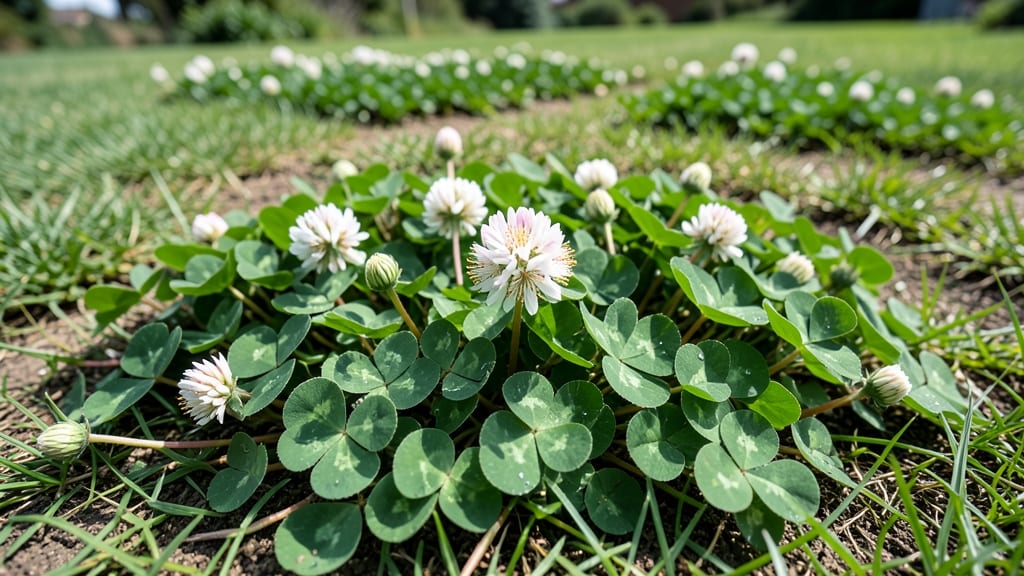
Those mysterious green patches in your lawn might not be grass at all—and they’re stealing nutrients from your yard. 🌱 I’ve spent years diagnosing these sneaky invaders, and the good news is most can be banished in a single day with the right approach.
The usual suspects? Moss thrives in shady, damp spots, while algae blooms when water sits too long. Fungal infections create soft, spongy patches, and even overwatering can smother roots. The key is identifying which one you’re dealing with before treating it—because what works for moss fails on fungus.
By the end of today, you’ll have a lawn that’s uniformly green, resilient, and free of these hidden troublemakers. No more guessing which treatment to use or how often to apply it—just clear, step-by-step fixes that actually work.
This method works for backyards, sports fields, or even those small patches near the patio. Let’s get your grass back to its best in no time!
The Hidden Culprits Behind Uneven Grass
Those mysterious green patches popping up in your lawn aren’t just random—they’re often a sign of something deeper. Whether it’s a hidden pest, a soil imbalance, or even human error, understanding the root cause is the first step to restoring a lush, uniform lawn.
Below, we break down the most common reasons your grass is developing these uninvited guests and what’s really going on beneath the surface.
One of the most common culprits behind green patches in lawns is the presence of grubs—the larvae of beetles like Japanese beetles, June bugs, or masked chafer beetles.
These pests feed on grass roots, creating irregular patches that appear healthier at first (because they’re still being watered by the surrounding grass) before turning brown and dying.
- How it happens: Adult beetles lay eggs in the soil during late spring or summer. When the larvae hatch, they burrow into the root zone, severing grass roots and leaving behind a spongy, easily pullable turf.
- Tell-tale signs:
- Grass pulls up easily like a carpet (a classic "sod pull" test).
- Patches appear green but weak, often with a thin, spongy layer beneath.
- Increased activity of birds, raccoons, or moles digging in the lawn (they’re hunting grubs!).
- Why it’s sneaky: Grubs thrive in moist, well-fertilized soil—exactly the conditions you’re trying to maintain for a healthy lawn. By the time you notice the damage, they’ve already done significant harm.
💡 Pro Tip: If you suspect grubs, dig up a small section of turf (about 6 inches square) and check the soil. If you find white, C-shaped larvae (grubs), you’ve found your problem. Act fast—grubs can devour roots in as little as 2–3 weeks.
Too much of a good thing can backfire when it comes to water. While grass needs moisture, excessive watering or compaction from poor drainage can create the perfect conditions for green patches that look healthy on the surface but are actually struggling underneath.
- How it happens:
- Overwatering: Saturates the soil, suffocating roots and promoting fungal growth (like dollar spot or brown patch disease). The grass may appear green but is stressed and weak.
- Poor drainage: Water pools in low spots, creating anaerobic conditions (lack of oxygen) that weaken roots. This often happens in clay-heavy soils or areas with slopes.
- Tell-tale signs:
- Patches stay soggy for hours after watering.
- Grass feels spongy or mushy when stepped on.
- Fungal growth (white or tan circular spots) may appear.
- Weeds like crabgrass or sedges thrive in these areas.
- Why it’s confusing: The grass may look green because it’s still photosynthesizing, but the roots are rotting due to lack of oxygen. Without intervention, the patch will turn brown as the roots die.
🌡️ Quick Fix: Test your soil’s drainage by digging a 6-inch hole and filling it with water. If it drains in less than 4 hours, you’re golden. If it takes longer than 6 hours, you’ve got poor drainage. Consider aerating or adding organic matter (like compost) to improve soil structure.
Fungi love damp, warm conditions—and your lawn is their all-you-can-eat buffet. When moisture levels are high (either from overwatering, dew, or rain), fungi like dollar spot, brown patch, or snow mold can take hold, creating green patches that hide a deadly secret.
- How it happens:
- Fungi spores naturally exist in soil but explode in growth when conditions are ideal (high humidity, warm nights, and poor air circulation).
- Weak grass (from stress, poor nutrition, or compaction) is more susceptible to infection.
- Tell-tale signs:
- Dollar spot: Small, straw-colored patches with darker rings (like coins).
- Brown patch: Large, circular dead patches with a green ring around the edges (common in warm-season grasses).
- Snow mold: Gray or pinkish fungal growth after winter thaw.
- Why it’s sneaky: Fungal infections often start as small, green-looking patches before turning brown. By the time you see the classic "dead spots," the fungus has already spread its spores to nearby areas.
✨ Prevention Tip: Improve airflow by mowing high (3–4 inches), avoiding evening watering (water before 10 AM), and applying fungicide in early spring or fall if your lawn is prone to disease.
Just like humans, grass needs the right vitamins and minerals to thrive. If your soil is deficient in nitrogen, phosphorus, or potassium (or has a pH imbalance), certain areas may look green but are starving, leading to patchy growth.
- How it happens:
- Nitrogen deficiency: Grass turns yellowish-green but may appear green in moist areas where nitrogen is temporarily more available.
- Phosphorus deficiency: Slow growth and dark green patches that look healthy but are weak and stunted.
- Potassium deficiency: Grass may look green but is prone to disease and stress.
- pH imbalance: Soil that’s too acidic (low pH) or alkaline (high pH) locks out nutrients, causing uneven growth.
- Tell-tale signs:
- Grass in some areas grows faster or slower than others.
- Weeds thrive in patches where grass is struggling.
- Soil test reveals low nutrient levels or pH outside the ideal range (6.0–7.0 for most grasses).
- Why it’s confusing: A nutrient-deficient patch may temporarily look green if it’s receiving runoff from fertilized areas, but it’s still malnourished and vulnerable to pests and disease.
📊 Action Step: Conduct
Quick Fixes for Uneven Grass Growth
Discovering green patches in your lawn can be frustrating, but the good news is that most issues have straightforward solutions. Whether it’s due to grubs, fungal infections, or poor soil conditions, taking the right steps can restore your lawn’s lushness in no time.
Below, we break down the most common causes and their fixes—plus prevention tips to keep your grass healthy long-term.
If your lawn has soggy spots or uneven moisture levels, waterlogged soil can suffocate grass roots and invite fungal growth. Here’s how to correct it:
#### 💦 Adjust Your Watering Schedule - Water deeply 2-3 times per week (early morning is best) instead of daily light sprinkles. - Use a rain gauge or tuna can to measure 1–1.5 inches of water per session. - Avoid watering late in the evening to prevent fungal spores from thriving overnight. #### 🏗️ Improve Soil Drainage - Test your soil’s drainage by digging a 6-inch hole and filling it with water. If it drains in less than 2 hours, you’re good. If not, amend the soil with: - Sand (for clay-heavy soil) - Compost (to improve structure and aeration) - Consider installing a French drain or swales (shallow trenches) in low-lying areas. #### 🌡️ Prevent Future Issues - 💡 Pro Tip: Install a soil moisture sensor to monitor hydration levels and avoid overwatering. - Mow high (3–4 inches) to encourage deeper root growth, which helps grass tolerate moisture fluctuations.If grubs or insects are munching on your lawn’s roots, you’ll see irregular green patches that pull up easily. Act fast with these solutions:
#### 👨🍳 Apply Grub Control - Chemical Treatments: Use imidacloprid or chlorantraniliprole (follow label instructions). - Natural Remedies: Spread beneficial nematodes (microscopic worms that kill grubs) or apply neem oil. - Milky Spore Powder: A long-term, organic solution that targets Japanese beetle grubs. #### 🔪 Aerate and Overseed 1. Aerate your lawn in early fall to loosen compacted soil and help treatments penetrate. 2. Overseed with tall fescue or Kentucky bluegrass (grub-resistant varieties) to fill bare spots. 3. Fertilize with a high-nitrogen blend to encourage quick recovery. #### ⏰ Monitor and Retreat if Needed - Check for grubs by digging a small section of lawn—if you find 5+ grubs per square foot, retreat in 4–6 weeks. - 💡 Pro Tip: Encourage birds and toads (natural grub predators) by adding a small water feature or leaving some leaf litter.Dollar spots, brown patch, or powdery mildew can create green patches with a spongy or discolored texture. Here’s how to eliminate them:
#### 🍄 Use Fungicides Targeted to the Issue - For Dollar Spot: Apply propiconazole or chlorothalonil. - For Brown Patch: Use azoxystrobin or myclobutanil. - For Powdery Mildew: Try neem oil or baking soda spray (1 tbsp baking soda + 1 quart water + a drop of dish soap). #### 🌡️ Improve Air Circulation - Thin out overgrown grass with sharp mower blades (dull blades tear grass, inviting disease). - Prune nearby shrubs or trees that cast dense shade. - Space out lawn furniture or play structures to allow airflow. #### 🎯 Prevent Recurrence - Water early (before 10 AM) to let foliage dry quickly. - Avoid nitrogen-heavy fertilizers in summer—they promote fungal growth. - Dethatch if thatch buildup (over ½ inch) blocks water and air from reaching roots.If your lawn lacks essential nutrients, you’ll see patches of weak, yellowing grass that recover with fertilization. Here’s how to fix it:
#### 📊 Test and Amend Soil - Get a soil test kit (available at garden centers) to check pH and nutrient levels. - Adjust pH if needed: - Low pH (acidic)? Add lime. - High pH (alkaline)? Use sulfur or peat moss. - Add compost (2–3 inches) and work it into the top 2–3 inches of soil. #### 💪 Fertilize Smartly - Use a balanced fertilizer (e.g., 10-10-10) in early spring or fall. - For quick greening, apply a high-nitrogen fertilizer (20-0-5) in small doses. - 💡 Pro Tip: Use a slow-release fertilizer to avoid burning grass and ensure steady nutrient uptake. #### 🌱 Encourage Microbial Activity - Spread mycorrhizal fungi (available as powder) to boost root health. - Avoid chemical herbicides near patches—opt for vinegar-based weed killers (for spot treatment) to preserve soil microbes.With these targeted fixes, your lawn should show visible improvement in 2–4 weeks. For stubborn issues, combine two or more solutions (e.g., aerate + fertilize + fungicide) for faster results.
Once your grass is back in shape, stick to the prevention tips above to keep those green patches at bay! 🌿✨
Frequently asked questions
Why do some green patches feel spongy while others look healthy?
Spongy patches usually indicate root damage from grubs or fungal infections like brown patch. These areas may appear green because they're still being watered by surrounding grass, but the roots are compromised. Healthy-looking patches that pull up easily also suggest grubs, while firm but uneven growth often signals nutrient deficiencies or compaction. Always check the roots by lifting a small section.
Can I use vinegar to kill moss in my lawn?
Yes, but with caution! A 1:1 vinegar-water solution (applied in early morning) can kill moss, but it will also harm grass. For targeted treatment, spray only on mossy areas and rinse with water after 30 minutes. For large areas, consider iron-based moss killers instead—they're safer for your lawn. Always test a small area first.
How often should I check for grubs if I see green patches?
Check every 2-4 weeks during grub season (late spring to early fall). Dig up a 6-inch square of turf and look for white, C-shaped larvae. If you find 5+ grubs per square foot, treat immediately. Remember: grubs grow fastest in warm, moist soil—so check more frequently after heavy rains or irrigation.
Will over-seeding fix green patches caused by fungal infections?
Not directly—fungal issues require targeted treatments first. However, over-seeding with resistant grass varieties (like tall fescue) after eliminating the fungus helps prevent recurrence. Always treat the fungus with appropriate fungicides before over-seeding, and improve airflow by mowing high (3-4 inches) to reduce future risk.
What's the fastest way to tell if my green patches are moss vs. grass?
Do the tug test: Pull a small section of the patch. If it comes up easily in thin sheets (like wallpaper), it's moss. If it resists but feels spongy beneath, it's likely grass with root damage. Moss also stays green in dry conditions while grass patches will brown out. For shade-loving lawns, moss may appear in damp corners while grass struggles.