
Lawn
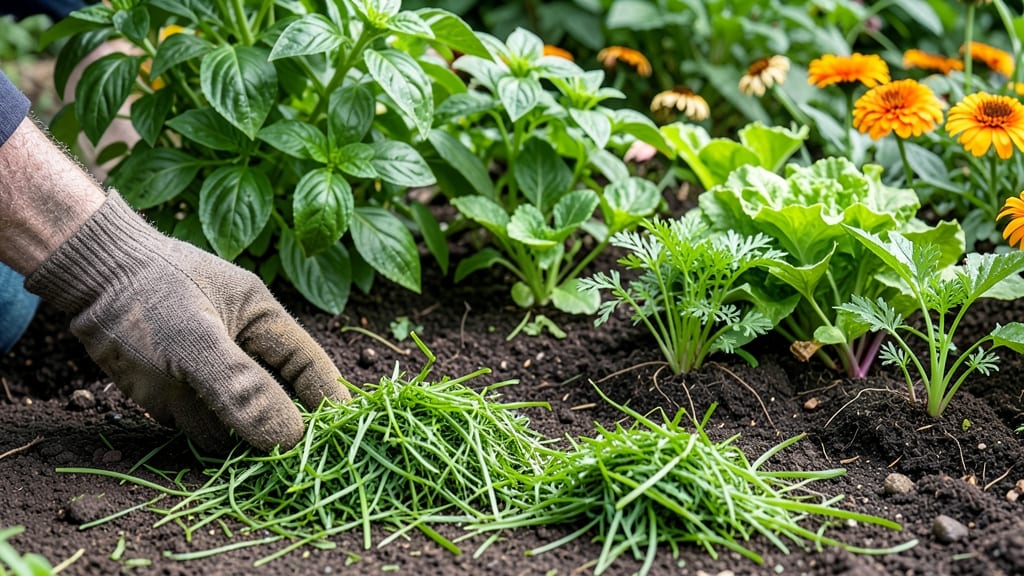
Using lawn clippings in your garden boosts soil fertility by adding nitrogen and organic matter, cutting down on waste while helping plants thrive when used properly as mulch or compost. Just avoid piling them too thickly to prevent smothering plants or attracting pests.
Lawn clippings are basically free fertilizer packed with nitrogen, which plants crave for leafy growth. 🌱 When you leave them on the lawn (a practice called "grasscycling"), they decompose quickly, but in garden beds, they work even better when spread thinly as mulch or composted first.
The key is balance—too much can create a thatch layer that blocks water and air, while the right amount feeds soil microbes that break down nutrients into plant-available forms. I’ve seen gardens transform in just one season when using clippings consistently!
For best results, apply a ¼-inch layer around plants or mix them into compost piles. Fast-growing plants like vegetables and flowers love this organic boost, while delicate perennials may need composted clippings to avoid nitrogen burn.
Timing matters too—spring and fall are ideal seasons when soil is active but not overworked.
💡 In This Article
- How Lawn Clippings Boost Soil Fertility
- Best Practices for Applying Lawn Clippings to Garden Beds
How lawn clippings boost soil fertility
Lawn clippings are a nitrogen powerhouse, containing about 4% nitrogen by dry weight, which is roughly 10 times more than mature compost. When you mow with a sharp blade, the grass cells rupture, releasing enzymes that kickstart decomposition almost instantly.
This process feeds soil microbes, which break down the clippings into simpler compounds like ammonia and nitrates—plant-available nutrients that stimulate rapid leaf growth.
The texture of fresh clippings is coarse and fibrous, which initially slows decomposition, but once microbes colonize, they create tiny tunnels that improve soil aeration and water retention.
Composted clippings take this a step further. After 4-6 weeks in a pile, they transform into a dark, crumbly material with a rich, earthy aroma—similar to well-aged compost. This stabilized form releases nutrients more gradually, reducing the risk of burning sensitive plants.
The decomposition process also generates heat (up to 140°F in active piles), which kills weed seeds and pathogens. For comparison, fresh clippings decompose at room temperature, while composted versions provide a balanced 3-1-2 ratio of nitrogen, phosphorus, and potassium, making them nearly as effective as commercial fertilizers.
What makes this work so well is the synergy between clippings and soil microbes. The grass provides carbon (from cellulose) and nitrogen, while microbes produce enzymes that convert these into humus—a sticky, gel-like substance that binds soil particles.
This improves drainage in heavy clay soils and helps sandy soils hold moisture longer. You’ll notice plants growing thicker and greener within 2-3 weeks of proper application, especially leafy vegetables like spinach or lettuce, which are nitrogen-hungry.
The key difference between fresh and composted clippings is speed versus stability—fresh clippings work faster but require thinner layers (¼-inch max), while composted versions can be applied more generously (½-inch layer).
One common misconception is that all grass clippings are the same, but their nutrient value varies by grass type. Kentucky bluegrass and fescue contain more nitrogen than Bermuda grass, which is why clippings from cool-season grasses are often preferred for garden use.
The decomposition rate also depends on moisture and temperature—clippings break down 30-50% faster in warm, humid conditions than in dry, cool climates. This is why spring and fall applications yield the best results, as soil temperatures are ideal for microbial activity without overheating the plants.
For a hands-on example, imagine spreading a ¼-inch layer of fresh clippings around tomato plants. Within a week, you’ll see the soil darken slightly as microbes get to work, and the tomato leaves will develop deeper green veins.
The clippings also suppress weeds by blocking sunlight and retaining moisture in the soil. However, if you apply too much (over ½-inch), the clippings can mat together, creating a barrier that traps moisture and encourages fungal growth.
This is why layering thinly and watering lightly afterward is crucial—it keeps the clippings in contact with soil while preventing compaction.
To maximize benefits, consider mixing clippings with other "brown" materials like dried leaves or straw in a 3:1 brown-to-green ratio for composting. This balances carbon and nitrogen, preventing odors and speeding up decomposition.
The result is a nutrient-rich amendment that can be worked into garden beds in the spring, giving plants a head start before the growing season. 🌱