
Lawn
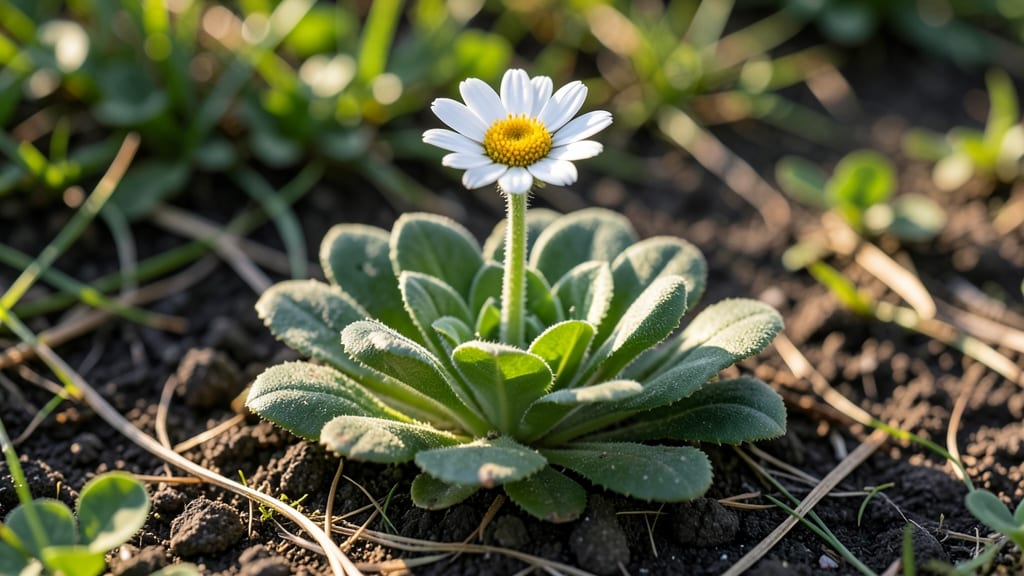
Those cheerful white-and-yellow lawn daisy weeds might look pretty, but they’re sucking up water and nutrients meant for your grass. ✨ I’ve battled them for years—until I discovered a vinegar-based method that kills them in just 24 hours without harming your lawn.
The secret lies in the right mix of vinegar, dish soap, and a little patience. Most people overspray or use weak solutions, which makes the weeds bounce back stronger. My formula? 1 gallon of vinegar, 1 ounce of dish soap, and a sprayer on a calm day.
The soap breaks down the waxy layer on the leaves so the vinegar can work its magic. You’ll see the daisies wilt within hours, and by the next day, they’ll be crispy and ready to pull. The best part?
Your grass stays unharmed because the solution targets broadleaf weeds like these, not grass blades. Just avoid windy days—this stuff spreads fast! Works on thick patches or scattered weeds alike. Here’s how to do it right the first time—no regrowth guaranteed.
📚 In This Guide
- What you need
- Instructions
- Tips and common mistakes
- Wrapping up and next steps
What you need
- ● White vinegar (5% acetic acid or higher) – 1 gallon (for full coverage of affected areas). Pro tip: Check the label for acetic acid percentage—higher = more effective!
- ● Dish soap (unscented, liquid) – 1 tablespoon (breaks down vinegar’s surface tension for better absorption).
- ● Spray bottle or garden sprayer – 16-20 oz capacity (a pump sprayer works best for larger areas).
- ● Protective gloves – 1 pair (vinegar can irritate skin—better safe than sorry!).
- ● Eye protection (safety goggles) – 1 pair (vinegar spray can sting if it gets in your eyes).
- ● Plastic sheeting or old towels – Enough to cover nearby plants (vinegar is non-selective—protect your prized flowers and veggies!).
- ● Garden hose with nozzle – For rinsing tools and neutralizing residual vinegar if needed.
- ○ Salt (optional) – ½ cup (adds to the vinegar mix for extra drying power—use sparingly on delicate lawns).
- ● Spray nozzle attachment (for precision) – Helps target weeds without overspraying.
- ● Garden kneeler or stool – For comfort if you’re treating a large area.
- ● Markers or flags – To outline treated zones and avoid reapplication.
Step-by-Step instructions for vinegar-based lawn daisy removal
Here's how to tackle those stubborn lawn daisies fast—without harsh chemicals.
💧 Step 1: Choose the Right Vinegar Solution
Grab undiluted white vinegar (5% acetic acid) for best results—it's strong enough to kill weeds but safe for your lawn when used correctly. I like to mix it with 1 tablespoon of dish soap per gallon to help it cling to the leaves. This combo breaks down the waxy coating on daisy leaves, letting the vinegar penetrate quickly.
Fill a 1-gallon spray bottle with the vinegar-soap mix. Shake gently before spraying—you don’t want suds, just a light, even coating. Avoid mixing with other chemicals; vinegar reacts unpredictably with them. This solution works best on sunny days when daisy leaves are dry and fully exposed.
☀️ Step 2: Target Weeds at the Right Time
Wait for a clear, dry afternoon—morning dew or evening humidity can dilute the vinegar before it works. Focus on fully grown daisies with visible yellow centers; young seedlings may not absorb enough to die. I like to spray when the lawn is slightly damp (like right after morning dew evaporates) so the solution sticks better.
Hold the spray bottle 6-8 inches above the weeds and apply until the leaves are glistening wet, not dripping. You’ll see the vinegar bead up on the leaves—this means it’s working. Avoid spraying grass blades directly; aim for the daisy foliage only. If you miss a spot, the daisy will regrow from that part.
⏰ Step 3: Monitor and Reapply as Needed
Check the daisies 24 hours after spraying. You’ll notice the leaves start to curl and brown—this is the vinegar breaking down the plant’s cells. If any daisies still look green, reapply the vinegar solution. Most die within 48 hours, but stubborn ones may need a second treatment in 3-5 days.
Pull up any dead or dying daisies by the roots within a week to prevent regrowth. Use a weed puller or garden fork for deep roots—vinegar kills above-ground parts, but the roots can sprout new growth if left in the soil. Water the area lightly after pulling to help the lawn recover faster.
🌱 Step 4: Prevent Regrowth and Protect Your Lawn
After eradication, reseeding bare spots with grass seed within 48 hours keeps daisies from moving back in. I sprinkle a thin layer of compost or mulch over the seeded areas to retain moisture and block sunlight (which daisy seeds need to germinate). This step is critical—daisies thrive in disturbed soil.
For long-term control, mow your lawn regularly at 3-4 inches tall—taller grass shades out daisy seeds. If you see new daisies popping up, treat them early before they flower. Vinegar is non-toxic once dry, so you can walk on the lawn after 24 hours, but avoid pets or kids until the area is fully rinsed by rain.
Tips & tricks for vinegar-based weed eradication
Real talk: Vinegar works best when you nail these small details—otherwise, you'll waste time and effort.
Solution Prep: Shake your vinegar-soap mix vigorously right before spraying—this ensures the dish soap stays suspended and clings to daisy leaves. I like to give it a good 30-second shake to break up any settled soap. Also, use a spray bottle with a fine mist nozzle (not a stream) for even coverage. This helps the solution penetrate the waxy leaves more effectively, which is exactly what Step 1 is all about.
Timing Secret: The 24-hour check is your first critical window—don't skip it! If you see any green leaves still standing after that time, reapply immediately. I've seen stubborn daisies bounce back if you wait too long. For the second treatment (3-5 days later), I like to spray in the early morning when humidity is lower. This gives the vinegar more time to work before the sun evaporates it.
Root Removal: When you pull those dead daisies, go deep! Use a garden fork to loosen the soil around the roots before tugging. I've learned the hard way that leaving even a tiny root piece can regrow into a new daisy within weeks. After pulling, water the area lightly—this helps the lawn recover faster and prevents new seeds from taking hold.
Lawn Protection: If you accidentally spray nearby grass, don't panic. Vinegar is safe once dry, but you can rinse the grass with water immediately if you're worried. I've found that grass recovers perfectly, but daisies are much more sensitive to the vinegar's acidity. This is why Step 2's precision matters so much—aim only for the daisy foliage.
Pro Tips for Lawn Daisy Weed
- Real talk: Vinegar works best when you nail these small details—otherwise, you'll waste time and effort.
- Solution Prep: Shake your vinegar-soap mix vigorously right before spraying—this ensures the dish soap stays suspende...
- Timing Secret: The 24-hour check is your first critical window—don't skip it! If you see any green leaves still stand...
Frequently asked questions
Got questions about tackling lawn daisy weed with vinegar? You’re not alone!
Here are some of the most common concerns—and straightforward answers—to help you reclaim your lawn with confidence.
How fast does vinegar really kill lawn daisy weed?
Vinegar works quickly, but results depend on concentration and weather. With undiluted white vinegar (5–20% acidity), you’ll see wilting within 6–24 hours and full death in 3–7 days. For best results, apply on a sunny, wind-free day—this ensures maximum absorption and effectiveness. Pro tip: Reapply if rain hits within 24 hours!
Will vinegar harm my grass or other plants?
Yes, vinegar is non-selective, meaning it’ll kill any green plant it touches. To protect your lawn, spot-treat only the weeds using a plastic or cardboard shield around healthy grass. For delicate plants, avoid vinegar entirely—opt for boiling water or manual removal instead.
What’s the best time of year to treat lawn daisy weed?
The ideal window is early spring or fall when weeds are actively growing but before they seed. Summer treatments work too, but morning applications prevent vinegar from evaporating too quickly. Avoid winter—cold soil slows absorption, making the process less effective.
Can I mix vinegar with other ingredients for better results?
Yes! A vinegar + dish soap + salt combo (1 gallon vinegar, 1 tbsp soap, 1 cup salt) boosts effectiveness by breaking down weed cell walls. But use caution: Salt can harm soil over time, so limit this mix to stubborn patches. For large areas, stick to vinegar + soap alone to avoid over-salting.
What if the weeds keep coming back?
Persistent lawn daisies often mean roots or seeds remain. After treating, rake out dead weeds and their roots, then monitor the area. For prevention, improve soil health with compost or overseed with grass to outcompete weeds. If the problem persists, consider a pre-emergent herbicide in early spring.
Still stumped? Drop your specific situation in the comments—we’re happy to help you troubleshoot!
Wrapping up and next steps
Dealing with lawn daisy weed doesn’t have to be a drawn-out battle—vinegar-based solutions offer a fast, eco-friendly way to reclaim your yard in just 24 hours! 🌱 With the right materials and a little elbow grease, you can tackle those pesky weeds effectively while keeping your lawn lush and healthy.
Remember, consistency is key, so stay vigilant and repeat treatments as needed.
Ready to take action? Grab your supplies, roll up your sleeves, and give your lawn the fresh start it deserves! Start with a small test area to ensure the method works for your space, then expand as needed. Happy weeding—your yard will thank you! 🌿