
Lawn
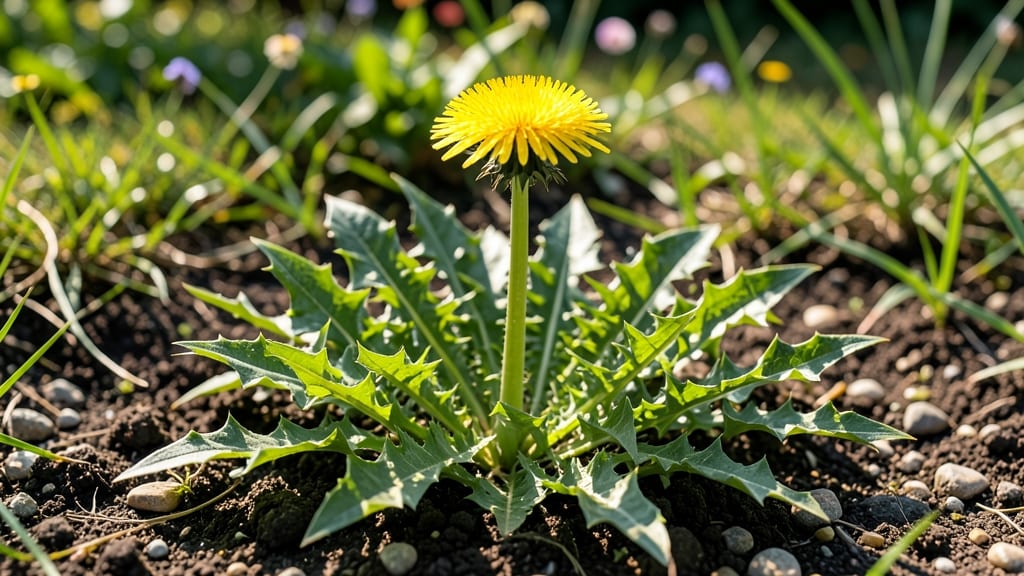
Those stubborn lawn weed with small yellow flowers popping up in your lawn are dandelions—and they’re tougher to kill than you think. 🌱 I’ve battled them for years, and the key isn’t brute force but smart timing and technique.
Most people pull them by the roots, only to see new ones sprout weeks later. The real secret? Targeting them at the right stage with the right method.
Dandelions thrive in thin lawns and compacted soil, which is why they keep coming back. A strong lawn—with proper mowing height, watering, and fertilization—is your first line of defense. But when they do appear, you need a foolproof approach that stops regrowth.
I’ll show you how to tackle them in just three simple steps, whether you prefer natural methods or a quick chemical fix.
By the end, your lawn will look thicker and greener, with those yellow blooms a distant memory. The best part? You’ll spend less time pulling weeds and more time enjoying your yard. Let’s get started—this is how I finally won the war against dandelions.
Works for any lawn size, from small patches to full yards, and fits into a weekend project. No more fighting with stubborn roots or watching them bounce back—just real results that last.
Root Causes of Yellow-Flowered Lawn Invaders
If your lawn is suddenly dotted with cheerful little yellow blooms, you’re likely dealing with a hardy weed like dandelions, chickweed, or even creeping Charlie (though the latter’s flowers are more white/pink). These weeds don’t just pop up by chance—they’re thriving because of specific conditions in your yard.
Understanding why they’re winning the battle against your grass is the first step to reclaiming your lawn. Let’s dig into the science behind their success.
Weeds like dandelions and chickweed love nutrient-poor, compacted, or imbalanced soil. Here’s why:
- Lack of competition: Healthy turfgrass crowds out weeds by absorbing sunlight, water, and nutrients. If your grass is thin or struggling, weeds fill the gaps like uninvited guests at a potluck.
- Compacted soil: Heavy foot traffic, machinery, or clay-heavy soil creates a dense layer that blocks water and oxygen. Weeds with shallow roots (like chickweed) thrive in these conditions because they can still sprout and spread.
- pH imbalances: Most lawn weeds prefer slightly acidic to neutral soil (pH 6.0–7.0). If your soil is too alkaline (pH > 7.5), essential nutrients like iron and manganese become locked away, weakening grass and inviting weeds.
Actionable fix: Test your soil’s pH and nutrient levels with a home kit or lab test. Amend compacted areas with compost or sand, and fertilize with a slow-release, grass-specific blend to restore balance.
Weeds adapt to water extremes better than grass. Here’s how moisture levels play into their takeover:
- Overwatering: Dandelions and chickweed love damp soil. Excess water leaches nutrients from the soil, making it easier for weeds to outcompete grass. Plus, soggy lawns create the perfect breeding ground for weed seeds.
- Underwatering: Drought-stressed grass turns brown and weakens, leaving bare spots where weeds like creeping Charlie (which stays green in dry conditions) can take root.
- Irregular watering: Uneven moisture (e.g., sprinklers that miss spots) creates patchy lawns—weeds seize the opportunity to colonize the driest or wettest areas.
Actionable fix:
- Water deeply but infrequently (1–1.5 inches per week, including rain).
- Adjust sprinklers to cover the entire lawn evenly.
- Consider drought-resistant grass varieties if your climate is dry.
Your mower isn’t just shaping your lawn—it’s either helping or hurting your weed battle. Here’s how:
- Tall grass = Weed paradise: Dandelions and chickweed rely on sunlight. If you let grass grow too tall, it shades the soil but also creates a thick mat that traps moisture—ideal for weed seeds to germinate.
- Scalping the lawn: Cutting grass too short (below 2–3 inches) stresses it, exposing soil to sunlight and making it vulnerable to weeds. Plus, short grass can’t outcompete shallow-rooted weeds.
- Uneven cuts: Ragged edges from dull mower blades create entry points for weeds and leave grass prone to disease.
Actionable fix:
- Mow regularly to remove no more than ⅓ of the grass blade at a time.
- Keep grass at the recommended height for your type (e.g., 3–4 inches for cool-season grasses).
- Sharpen mower blades yearly to avoid tearing grass.
Sometimes, the very products meant to protect your lawn can backfire and invite weeds. Here’s how:
- Overusing broadleaf herbicides: Products targeting dandelions (like 2,4-D) can weaken grass if misapplied, leaving bare spots for weeds to invade. Always follow label rates!
- Nitrogen-heavy fertilizers: Too much nitrogen promotes rapid grass growth—but if the grass can’t keep up (due to poor soil or water), weeds like chickweed (which grows fast in cool weather) take over.
- Skipping pre-emergent herbicides: Weeds like dandelions spread via wind-blown seeds. Without a pre-emergent barrier in early spring, seeds germinate unchecked.
Actionable fix:
- Apply pre-emergent herbicide in early spring (before dandelion seeds sprout).
- Use a balanced fertilizer (e.g., 16-4-8 or 12-12-12) to avoid nitrogen overload.
- Spot-treat weeds with selective herbicides (like triclopyr for dandelions) on calm days to avoid drift damage.
Weeds exploit gaps in your lawn’s ecosystem. Common triggers include:
- Shade from trees/shrubs: Grass needs 4–6 hours of sunlight daily. Areas under trees often turn into weed magnets because grass struggles to grow there.
- Foot traffic or pet paths: Compacted soil from walking or digging creates bare patches where weeds like creeping Charlie thrive.
- Newly seeded areas: Freshly sown grass is vulnerable until established (4–6 weeks). Weeds seize the opportunity if seeds are already in the soil.
- Construction or soil disturbance: Digging, aerating, or even heavy rain can bury weed seeds, triggering a sudden bloom.
Actionable fix:
- Plant shade-tolerant grass (like fine fescue) under trees.
- Reseed bare spots with high-quality turf and mulch with straw to block sunlight from weed seeds.
- Pre-treat disturbed areas with corn gluten meal (a natural pre-emergent).
Eliminate Yellow Flower Invaders Naturally
Now that you know why those pesky dandelions (or other small yellow-flowered weeds) are taking over, it’s time to kick them to the curb—without resorting to harsh chemicals.
Below are targeted solutions based on the most common causes, along with prevention tips to keep your lawn lush and weed-free for good.
---
Cause: Weak grass or bare spots create the perfect breeding ground for dandelions. Fix: - Hand-pulling (Best for small patches) 👩🌾 - Wait until the soil is moist (after rain or watering) to make pulling easier. - Grasp the weed at the base and tug firmly—aim for the entire root (even a tiny piece left behind will regrow). - For stubborn roots, use a dandelion weeder tool (or a butter knife) to dig deeper. - Pro Tip: 💡 Pull in the early morning or evening when the sun isn’t at its peak to avoid stressing your lawn.
- Mulching Mower (Prevents regrowth) ⏰ - Set your mower to a higher blade setting (3–4 inches) to shade the soil and discourage weed seeds from sprouting. - Bag the clippings if dandelions are flowering—they’ll spread seeds everywhere!
---
Cause: Dandelions thrive in sunny, thin grass areas where competition is low. Fix: - Thicken Your Grass 🌿 - Overseed in early fall with a high-quality grass seed mix (choose one suited to your climate). - Apply a light layer of compost or mulch to retain moisture and block sunlight to weed seeds. - Pro Tip: 🌡️ Water deeply 2–3 times per week (1 inch total) to encourage grass roots to outcompete weeds.
- Strategic Shade (For Problem Areas) 🌳 - Plant fast-growing ground covers like creeping thyme or clover in sunny patches where grass struggles. - Add small shrubs or ornamental grasses to break up large sun-exposed areas naturally.
---
Cause: Overwatering or irregular watering creates ideal conditions for dandelions. Fix: - Deep and Infrequent Watering 💦 - Water early in the morning (before 10 AM) to reduce evaporation and fungal risks. - Aim for 1–1.5 inches per week, including rainfall. Let the top inch of soil dry between waterings. - Pro Tip: ✨ Use a soaker hose or drip irrigation to target grass roots without wetting weed seeds on the surface.
- Drainage Check 🌧️ - If your lawn has low spots where water pools, level them with sand or compost. - Test soil drainage: Dig a 6-inch hole, fill it with water, and time how long it takes to drain.
If it’s slower than 6 hours, amend with perlite or sand.
---
Cause: Compacted, nutrient-poor soil gives weeds an edge. Fix: - Aerate and Overseed 🔨 - Rent a core aerator in early fall to punch holes in compacted soil, letting oxygen, water, and nutrients reach grass roots. - After aerating, top-dress with compost (¼ inch layer) and overseed. - Pro Tip: 🎯 For stubborn compacted areas, rent a spike aerator (but don’t overdo it—too many holes can damage grass).
- Fertilize Smartly 📊 - Use a slow-release, organic fertilizer (like a 16-4-8 blend) in early fall to strengthen grass. - Avoid high-nitrogen fertilizers in summer—they promote rapid (but weak) grass growth that weeds exploit. - Pro Tip: 💪 Test your soil first!
A DIY soil test kit (or one from your local extension office) ensures you’re addressing deficiencies (like low phosphorus or potassium).
---
Cause: Large infestations where manual removal isn’t feasible. Fix: - Vinegar Solution (Spot Treatment) 🍶 - Mix 1 gallon of white vinegar (5% acetic acid) + 1 oz. dish soap + 1 cup salt. - Spray directly on weeds (avoid grass—it’ll kill it too!). - Reapply every 3–5 days until weeds die (usually 1–2 weeks). - Pro Tip: 🌡️ Apply on a warm, sunny day (70°F+) for best results—vinegar works by burning the plant.
- Corn Gluten Meal (Preventative Barrier) 🌾 - Spread 20 lbs. per 1,000 sq. ft. in early spring before weeds germinate. - This natural pre-emergent blocks weed seeds from sprouting while feeding your grass. - Pro Tip: ✨ Reapply annually in fall for continuous protection.
---
- Mow High: Keep grass at 3–4 inches to shade soil and crowd out weeds. - Leave Clippings: Grass clippings act as free mulch, blocking sunlight to weed seeds. - Weed Early: Pull dandelions before they flower (or use a flower removal tool to snip off blooms). - Monitor Soil pH: Aim for 6.0–7.0—test yearly and amend with lime (to raise pH) or sulfur (to lower it) if needed.
--- Final Thought: 🌟 With consistent care, your lawn can outcompete dandelions naturally. Start with one or two methods this season, then build from there—your green thumb will thank you!
Frequently asked questions
Are all yellow-flowered weeds in my lawn dandelions?
Not necessarily! While dandelions are the most common, you might also have chickweed (smaller flowers, sprawling growth) or prostrate spurge (milky sap when crushed). To confirm, check the leaf shape and growth pattern—dandelions have deeply lobed leaves and a rosette shape, while chickweed has smooth, oval leaves and spreads like a mat.
Why do dandelions keep coming back even after I pull them?
Dandelions spread through wind-blown seeds that can lie dormant in soil for years. Even a tiny root fragment left behind will regrow! The key is to pull them before they flower (when seeds form) and improve your lawn’s health to crowd them out naturally. For stubborn patches, try a vinegar spray or corn gluten meal as a preventative.
Is it safe to use vinegar to kill lawn weeds?
Yes, but with caution! A homemade mix of 1 gallon white vinegar + 1 oz. dish soap + 1 cup salt works well for spot treatments. However, vinegar kills all plants it touches—grass included—so apply only to weeds on sunny days (70°F+). For large areas, consider selective herbicides or natural alternatives like boiling water for sidewalks.
How can I prevent yellow-flowered weeds from spreading to my neighbors' lawns?
Dandelion seeds travel up to 15 feet on the wind, so containment is key! Remove flowers before they go to seed (use a pair of scissors to snip them off), and bag clippings if mowing. For severe infestations, apply corn gluten meal in early spring to block seed germination. Always pull weeds completely—never leave roots behind.
Will overseeding my lawn really help stop dandelions?
Thick, healthy grass crowds out weeds by competing for sunlight and nutrients. Overseed in early fall with a high-quality grass mix, and keep soil moist for 4–6 weeks to establish roots. Pair this with proper mowing height (3–4 inches) and regular fertilization to create an impenetrable barrier against weeds.