
Lawn
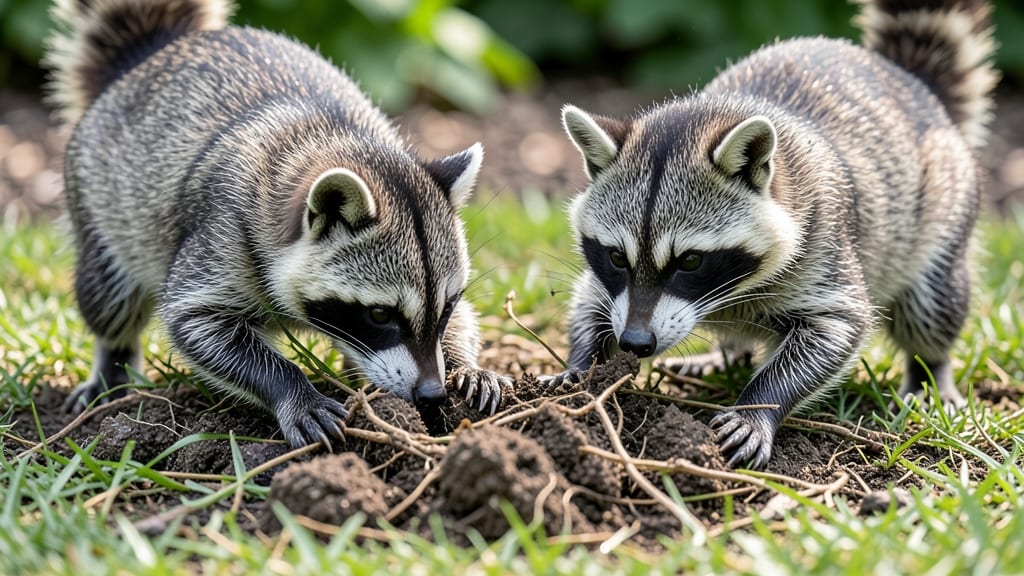
Raccoons tearing up lawns isn't just messy—it's a midnight raid on your yard that leaves behind turned-over soil, scattered mulch, and a trail of destruction that looks like a crime scene. 🌱 I've spent three summers battling these masked bandits, and the key isn't brute force—it's outsmarting them with humane tricks that actually work.
The problem starts with food sources: unsecured trash, pet bowls left outside overnight, or even birdseed spilled on the ground. Raccoons are smart—they'll return again and again if they find an easy meal. The good news?
Most deterrents focus on removing that temptation first. A simple trash can with a locking lid or a heavy bungee cord keeps them from rummaging, and moving pet food inside at night eliminates another magnet.
Once food is secured, physical barriers become your next line of defense. Hardware cloth buried around garden beds or a sturdy fence with gaps no wider than 4 inches keeps them out without harm.
Motion-activated lights or even a radio playing during nighttime hours can scare them off too—raccoons prefer quiet, undisturbed foraging. Within a week, you'll notice fewer paw prints and less overturned soil.
For stubborn cases, habitat modification works best: trim back dense shrubs where they might nest, and keep lawns mowed short to eliminate hiding spots.
The goal isn't to fight them—it's to make your yard less appealing than the neighbor's. With these strategies, your lawn stays intact, and the raccoons move on to easier targets.
The Hidden Triggers Behind Destructive Digging
Raccoons aren’t just mischievous—they’re highly intelligent scavengers with instincts finely tuned to survival. When they start ripping up your lawn, it’s rarely random vandalism. Their behavior is usually a response to specific needs or opportunities.
Understanding these triggers is the first step to stopping the chaos before it begins. Here’s why your yard might be their latest project.
Raccoons are omnivorous opportunists, and your lawn might be an all-you-can-eat buffet if you’re not careful. Even if you don’t leave pet food or trash out, these critters have a knack for uncovering hidden snacks:
- Buried scraps: Raccoons have dexterous front paws (almost human-like) that let them dig through mulch, soil, or even shallowly buried trash. A half-eaten burger wrapper or a forgotten apple core can lure them in for a midnight feast. 🍔🗑️
- Grubs and insects: Lawns teeming with grubs, beetle larvae, or worms are like a five-star restaurant to raccoons. A single dig can expose hundreds of these protein-rich morsels, making your yard irresistible. 🐜🌱
- Birdseed or fallen fruit: If you have bird feeders, fruit trees, or even overripe veggies in your garden, raccoons will raid them. They’re known to knock over feeders or dig under trees to access easy meals. 🐦🍎
Actionable insight: If you suspect food is the culprit, conduct a nighttime stakeout (safely from a distance) to spot what they’re after. Then, remove the attractant—secure trash cans, pick up fallen fruit, or treat your lawn for grubs.
Raccoons are prolific parents and will go to extreme lengths to create safe, cozy nests for their young. Your lawn—especially if it’s soft, undisturbed, or near structures like sheds, decks, or dense shrubs—could be their ideal real estate. Here’s why:
- Soft soil for burrows: Raccoons prefer digging in loose, sandy, or well-aerated soil. If your lawn has patches where the ground is easy to break through (like near tree roots or under decks), they’ll excavate dens. 🏗️🐾
- Proximity to shelter: They avoid open spaces and seek cover. A woodpile, thick bushes, or even a gap under your porch can make your yard a prime nesting site. 🌿🏠
- Seasonal urgency: Nesting peaks in spring and early summer when baby raccoons (called "kits") are born. A female raccoon may dig aggressively to prepare a den before giving birth. 👶🌸
Actionable insight: If you notice fresh digging near structures, block access points with hardware cloth or install motion-activated lights to deter them. Avoid using harsh chemicals near nesting areas—it’s illegal in many states and can harm the animals.
Raccoons are highly curious and playful—almost like a cross between a toddler and a detective. Their destructive digging isn’t always about survival; sometimes, it’s just for fun. Here’s how their behavior breaks down:
- Foraging practice: Young raccoons (and even adults) dig to hone their skills, much like a human child plays in the dirt. It’s a way to explore textures, sounds, and smells. 🧱👶
- Boredom or lack of stimulation: In urban or suburban areas, raccoons may dig out of boredom if their natural habitat is limited. A yard with few distractions (like no trees to climb or rocks to overturn) can become a playground. 🎪😊
- Territorial marking: Raccoons have scent glands on their wrists and ankles. Digging can help them mark territory by spreading their scent through disturbed soil. 👃🌍
Actionable insight: If food and nesting aren’t the issues, try redirecting their energy. Install a small, shallow sandpit or a designated digging area (like a kiddie pool filled with dirt) away from your lawn to give them an outlet for their instincts.
Raccoon behavior shifts with the seasons, and certain environmental conditions can turn your lawn into a hotspot. Here’s how timing and weather play a role:
| Season | Why It Happens | What to Watch For |
|---|---|---|
| Spring | Mating season and nesting prep. Males dig to find females, while females dig dens for raising kits. | Increased digging near wooded areas or structures. More nocturnal activity. |
| Summer | Kits are born and need food. Adults dig to find grubs, worms, and other protein sources. | Fresh mounds of dirt, especially in warm, moist soil. More aggressive digging at night. |
| Fall | Raccoons bulk up for winter by foraging. They also dig to store food or create cozy dens. | Deep holes near garden beds or trash areas. Increased activity as they prepare for hibernation-like torpor. |
| Winter | Food becomes scarce, so they raid lawns, compost heaps, and even pet food left outside. | Digging near sheds, garages, or anywhere they sense hidden food. More bold during daylight hours. |
Actionable insight: Seasonal prevention is key. In spring/summer, focus on nesting deterrents. In fall/winter, secure food sources and use motion-activated deterrents to disrupt their foraging patterns.
Now that you know why raccoons are turning your lawn into a construction site, the next step is to address the root cause with targeted, humane solutions. Stay tuned for our next section on effective deterrents that actually work!
Stop Raccoons from Ruining Your Lawn
Raccoons tearing up your lawn isn’t just annoying—it can turn your carefully maintained yard into a muddy mess overnight. 🐾 The good news? With the right strategies, you can humane yet effective solutions to keep these clever critters at bay.
Below, we break down the most common causes of raccoon lawn destruction and match them with practical fixes—plus prevention tips to keep your yard raccoon-free long-term.
---
Raccoons are master foragers, and your lawn might be their all-you-can-eat buffet. If they’re clawing at the soil, they’re likely hunting for grubs, worms, or beetle larvae.
How to Fix It: 🔥 Remove the Food Source - Apply grub control in early spring or fall using beneficial nematodes or milky spore bacteria (organic options) to reduce their food supply. - Aerate your lawn to expose grubs to predators like birds and toads, making them less appealing to raccoons.
🍳 Use Natural Deterrents - Spread diatomaceous earth (DE) lightly over affected areas—it’s non-toxic but irritating to pests. (Reapply after rain.) - Plant raccoon-resistant ground covers like clover or creeping thyme, which are harder to dig through.
👨🍳 Install Physical Barriers - Lay hardware cloth (1/4-inch mesh) over garden beds or vulnerable spots, buried 6 inches deep to block digging. - Use raised garden beds with buried edges if you’re growing vegetables—raccoons can’t dig through them!
---
Raccoons are opportunistic scavengers, and even small amounts of food—like pet food, fallen fruit, or unsecured trash—can lure them into your yard.
How to Fix It: ⏰ Secure Your Waste - Use raccoon-proof trash cans with locking lids and weighted bases (or secure bins with bungee cords). - Take out trash the night before pickup—don’t leave bags sitting overnight. - Compost properly: Use a locked compost bin with a tight-fitting lid, or opt for vermicomposting indoors.
🔪 Eliminate Easy Snacks - Pick up fallen fruit from trees (especially apples, berries, or citrus). - Store pet food indoors or use raccoon-resistant feeders with latches. - Clean up spills from BBQs, picnic areas, or bird feeders immediately.
🌡️ Pro Tip: Raccoons are nocturnal, so check your yard at dusk or dawn with a flashlight—you might spot them mid-meal and adjust your deterrents accordingly!
---
If raccoons are tearing up lawns near sheds, decks, or dense shrubbery, they may be building nests or seeking shelter. Females, especially, become protective of their young in spring/summer.
How to Fix It: 💡 Block Entry Points - Seal gaps in sheds, garages, or porches with hardware cloth or metal flashing—raccoons can squeeze through holes as small as 5 inches wide! - Install chimney caps if they’re accessing your home through flues. - Trim tree branches hanging over roofs or decks to prevent them from using them as highways.
🎯 Make Your Yard Less Inviting - Remove brush piles, leaf litter, and dense ground cover where they might nest. - Install motion-activated lights near entry points—the sudden brightness can scare them off. - Use humane repellents like hot pepper spray (mix cayenne pepper with water and spray around perimeter areas).
✨ Long-Term Prevention: - Adopt a dog (even a small one)—their presence alone can deter raccoons. - Plant thorny bushes (like roses or barberry) near vulnerable areas as a natural barrier.
---
If raccoons are persistent and destructive, you may need to temporarily relocate them. However, check local laws first—some areas prohibit trapping without a permit.
How to Do It Safely: - Use an enclosed live trap (like a Havahart trap) baited with peanut butter, marshmallows, or dog food. - Place traps in the evening when raccoons are most active. - Release them at least 10 miles away in a wooded area, away from human habitation. - Wear gloves when handling traps—raccoons can carry rabies and parasites.
⚠️ Warning: Never use poison or lethal methods—they’re inhumane and can harm pets, wildlife, and children.
--- Final Thought: Raccoons are intelligent and adaptable, so combine multiple methods for the best results. Start with food removal and barriers, then layer in deterrents and habitat changes. With patience, your lawn can go from raccoon buffet to raccoon-free paradise! 🌿🐾
Frequently asked questions
Why do raccoons dig up lawns even when there's no obvious food?
Raccoons dig for several reasons beyond food—nesting, curiosity, or territorial marking. Females dig dens in spring/summer for raising kits, while young raccoons practice digging like puppies play. Even without food, they may overturn soil to explore or mark their scent. Try installing motion-activated lights or removing dense shrubs to make your yard less appealing.
Will hardware cloth work if raccoons are already digging deep holes?
Yes, but bury it 6-12 inches deep to block their reach. For existing holes, fill them with rocks or sand first, then lay the hardware cloth over the area. Combine this with other deterrents like diatomaceous earth or motion-activated sprinklers for best results—raccoons hate surprises!
Are raccoon repellents safe for pets and children?
Most humane repellents like hot pepper spray or predator urine are safe when used correctly. Always choose pet-safe formulas and apply them to areas pets can't access. Avoid commercial sprays with strong chemicals—opt for natural solutions like cayenne pepper mixes or citrus peels scattered around the yard.
How long does it take to see results from deterrents?
Results vary, but most homeowners see improvement within 3-7 days with consistent efforts. Combine food removal, barriers, and repellents for faster results. Raccoons are smart—they'll give up if their favorite food sources disappear. Be patient and persistent, especially during nesting season (spring/summer).
Can I use a dog to scare raccoons away?
Yes! Even a small dog's presence can deter raccoons. The key is consistency—dogs should patrol the yard regularly. Avoid aggressive breeds; raccoons are clever and may learn to avoid your dog over time. For best results, combine a dog with other deterrents like motion lights or secured trash cans.