
Lawn
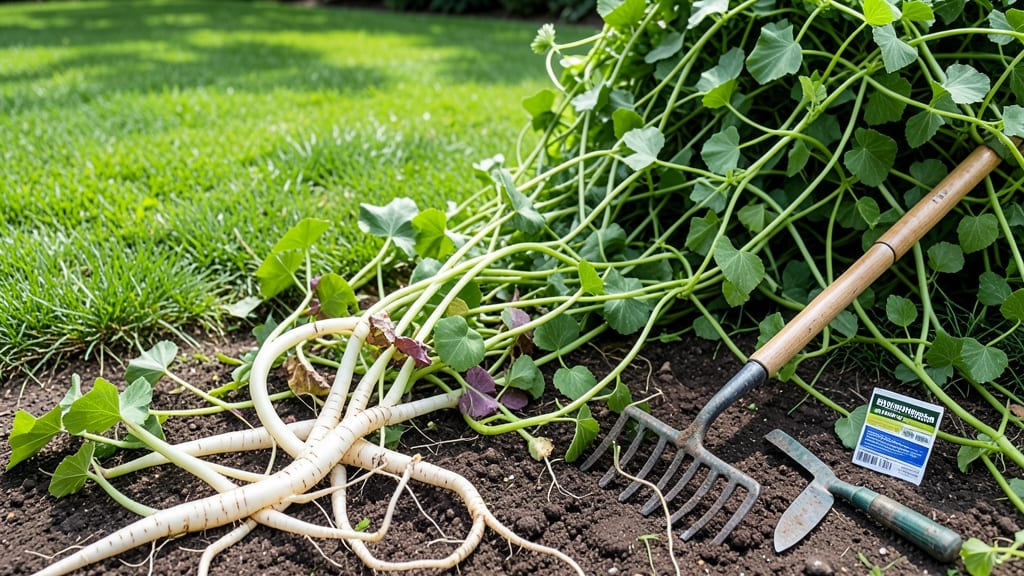
Viney weeds like creeping Charlie and bindweed can turn your lawn into a tangled mess—until you use this 10-minute pull method. I’ve spent years battling these stubborn invaders, and this technique finally gives me back a clean, weed-free yard without harsh chemicals or endless digging.
The key? Timing, leverage, and knowing exactly where to grip.
You’ll need a weed puller tool (or a sturdy garden fork), a bucket of soapy water, and a sunny afternoon when the soil is slightly damp. The process is simple but requires patience—especially for deep-rooted weeds like bindweed, which can regrow from even a tiny fragment left behind.
Start by identifying the weeds: viney types twist around grass and have long, creeping stems, while grass blades stay upright.
Once you’ve located the problem spots, use the puller to grip the weed just below the soil line and yank upward with steady pressure. For stubborn roots, wiggle the tool side-to-side to loosen them before pulling.
A spotless lawn is just minutes away if you work methodically, but the real secret is preventing regrowth—more on that in the next steps.
This method works best in spring or fall when weeds are actively growing but soil isn’t waterlogged. For large lawns, break the task into sections to avoid fatigue, and always dispose of pulled weeds in the trash (not compost) to stop them from spreading.
With consistent effort, your lawn will stay lush and weed-free—no more tangled vines ruining your perfect green carpet.
📚 In This Guide
- What you need
- Instructions
- Tips and common mistakes
- Wrapping up and next steps
What you need
- ● Garden gloves (1 pair) – Nitrile or leather for grip and protection.
- ○ Weed puller or hori-hori knife (1) – Sturdy, serrated edge for clean cuts (optional but highly recommended for stubborn roots!).
- ● Hand weeder or dandelion digger (1) – For deep-rooted vines like bindweed or morning glory.
- ● Pruning shears (1 pair) – Sharp, bypass-style for trimming thick stems.
- ● Garden twine or zip ties (small roll) – To bundle and dispose of weeds easily.
- ● Buckets or trash bags (2-3) – 1 for weeds, 1 for soil/clippings (or a compost bin if recycling).
- ○ Hose with spray nozzle – For rinsing tools and wetting soil (optional but helpful for slippery grip).
- ● Vinegar spray (5% acetic acid) – For spot treatment on regrowth (use cautiously near desired plants!).
- ● Corn gluten meal (1 lb) – Natural pre-emergent to prevent future weeds.
- ● Knee pad or small stool – For comfort during long sessions.
- ● Sunhat & sunscreen – Because lawn work = sun exposure!
Step-by-step instructions for removing viney weeds from lawns
Here's how I tackle those stubborn creeping weeds in just minutes—no backbreaking work or harsh chemicals.
🌱 Step 1: Identify and Prepare the Weed Area
First, scan your lawn for the viney weeds—look for those long, sprawling stems that spread aggressively. Morning is best because the soil is damp enough to make pulling easier, but the weeds aren't yet fully hydrated and brittle. Kneel down and run your fingers through the grass to spot the thin, wiry stems hiding beneath the surface.
Use a small hand trowel or your fingers to gently lift the grass around the weed's base. You'll see the viney roots snaking through the soil—these are the ones you need to target completely. If the weed has already spread widely, mark the edges with a garden flag or stick to avoid missing any sections later.
✂️ Step 2: Pull Weeds at the Root
Grab the weed's main stem near the base and pull upward with steady pressure. The key is to remove the entire root system—if you leave even a small piece behind, it will regrow. For tougher weeds, use a pair of pruning shears to snip the vine just above the soil line, then pull the remaining root from underneath.
Work in small sections, focusing on one weed at a time. You'll notice the roots often spread deeper than you expect—keep pulling until you feel resistance at the root ball. If the weed breaks off, dig deeper to expose and remove the remaining piece. Discard the weeds in a sealed bag or compost pile (if your compost allows weeds).
💧 Step 3: Refresh the Soil and Replant Grass
Once all the viney weeds are removed, use a rake to loosen the soil in the affected area. This helps the grass roots re-establish contact with the soil and encourages new growth. Sprinkle a thin layer of compost or grass seed mix over the area—this fills in any gaps and promotes faster recovery.
Water the area lightly but thoroughly to settle the soil and help the grass seed make contact. Avoid heavy watering, which can wash away the seed or disturb the loose soil. Within 7-10 days, you should see new grass blades emerging, filling in the spots where weeds once dominated.
☀️ Step 4: Prevent Regrowth with Maintenance
To keep viney weeds from returning, mow your lawn at a height of 3-4 inches—taller grass shades out weeds by blocking sunlight. Water deeply but infrequently, encouraging deep root growth in your grass while discouraging shallow weed roots.
Apply a pre-emergent herbicide in early spring if your area has a history of aggressive weeds, but follow the instructions carefully to avoid harming your grass. For a natural approach, spread a corn gluten meal fertilizer in late winter—it acts as a mild weed preventer while feeding your lawn.
Tips & tricks for perfect viney weed removal
Here's what nobody tells you about making this process even faster and more effective.
Timing Secret: The morning after a light rain is your best bet for weed removal. The soil stays damp enough to make pulling easier, but the weeds aren't yet fully hydrated and brittle. If you missed that window, water the area lightly the night before—just enough to soften the soil without making it soggy. This gives you that same perfect pulling condition in the morning.
Tool Upgrade: While fingers work fine for small patches, invest in a weed puller tool for larger areas. These long-handled tools with forked ends make it easier to grip and remove deep roots without straining your back. I've used mine on my entire backyard—it cuts the time in half! For stubborn weeds, a small hand trowel is your best friend to expose those hidden roots.
Root Rescue Strategy: If you accidentally break off a weed root during pulling, don't panic. Dig deeper to expose the remaining piece—it's often connected to a larger root system you can remove. For weeds that keep coming back, try the "vine snipping" method: Use pruning shears to cut the vine just above the soil line, then pull the remaining root from underneath. This prevents regrowth while being gentler on your hands.
Pro Tips for Viney Weeds In Lawn
- Here's what nobody tells you about making this process even faster and more effective.
- Timing Secret: The morning after a light rain is your best bet for weed removal. The soil stays damp enough to make p...
- Tool Upgrade: While fingers work fine for small patches, invest in a weed puller tool for larger areas. These long-ha...
Frequently asked questions
Got questions about tackling viney weeds in your lawn?
You’re not alone! Here are some of the most common concerns—and quick, actionable answers to keep your grass looking sharp.
What are the most common types of viney weeds in lawns?
Viney weeds like creeping Charlie (Glechoma hederacea), bindweed (Convolvulus arvensis), and clover (Trifolium spp.) are the usual culprits. They spread aggressively, smothering grass and leaving behind thin, patchy areas. Identifying them early is key—look for their distinctive leaf shapes and growth patterns.
How often should I pull viney weeds to prevent regrowth?
For best results, tackle viney weeds weekly during their active growth phase (spring to early fall). Focus on young shoots first—they’re easier to remove and less likely to resprout. Pro tip: Mow high (3–4 inches) to shade out weeds and reduce their chances of taking over.
Can I use vinegar or other natural remedies instead of pulling?
Yes! A 20% vinegar solution (1 part white vinegar + 1 part water) sprayed directly on weeds works for spot treatment. However, it kills surrounding grass too, so use a dropper or sponge for precision. For larger areas, consider corn gluten meal as a pre-emergent—it’s organic and grass-safe.
Why do viney weeds keep coming back even after I pull them?
Weeds often regrow from root fragments or underground rhizomes. To stop them, pull the entire root (use a weeding tool for stubborn types like bindweed) and smother bare spots with mulch or fresh grass seed. Pro tip: Solarize the area in summer by covering it with clear plastic for 4–6 weeks to kill lingering roots.
Will my lawn recover fully after removing viney weeds?
With consistent care, your lawn can bounce back. After pulling weeds, reseeds bare patches with high-quality grass seed and keep the soil moist. Overseed in early fall for the best results—cool weather helps grass establish roots faster. Pro tip: Apply a light layer of compost to improve soil health and crowd out future weeds.
Wrapping up and next steps
You’ve got this! 🌱 Viney weeds may seem stubborn, but with the right tools and a quick 10-minute approach, you can reclaim your lawn’s glory. Remember: consistency is key—tackle weeds early, and your grass will thank you with lush, uninterrupted growth.
Ready to take action? Grab your supplies, pick a sunny day, and start with just one small section—you’ll be amazed at the difference! For extra help, explore organic weed preventatives or local lawn care tips tailored to your climate. Happy weeding! ✨