
Lawn
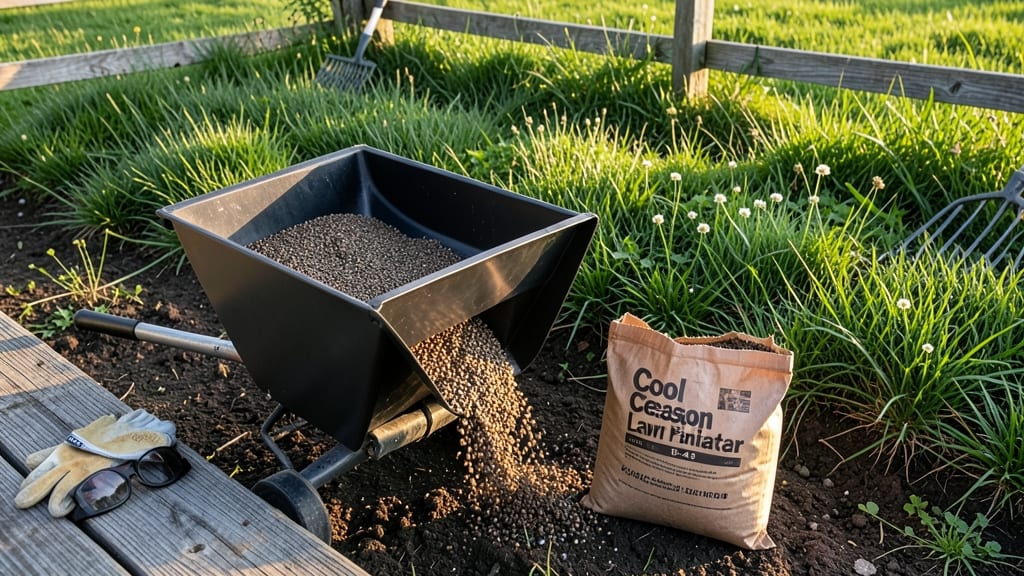
Fertilizing your Kentucky Bluegrass 🌱 in Kentucky at the right times is the key to a lawn that stays thick, green, and resilient all season long.
Picture this: You’ve just spent the weekend mowing, only to watch your grass turn yellow or thin out by summer. That’s often a sign you missed the best fertilization windows—and in Kentucky’s humid climate, timing matters more than most homeowners realize.
Kentucky Bluegrass thrives when fed during its two most critical growth phases: early spring and late fall. These are the windows when soil warms up and roots strengthen, setting the stage for a lush lawn that outcompetes weeds naturally.
But skip these periods, and you risk weak growth, patchy spots, or even inviting pests.
In this guide, I’ll walk you through the exact spring and fall schedule Kentucky lawns need, how to pick the right fertilizer (organic or synthetic), and the three mistakes that derail even the best-laid plans—so you can finally stop guessing and start growing.
Optimal fertilization schedule for Kentucky Bluegrass: spring vs fall timing explained
Kentucky Bluegrass thrives in Kentucky’s humid subtropical climate, but its growth depends heavily on precise fertilization timing. The two most critical windows—early spring and early fall—align with the grass’s natural growth cycles.
In spring, warming soil triggers root activity, while fall applications strengthen roots before winter dormancy. Missing these windows can leave your lawn vulnerable to weed invasion or nutrient deficiencies.
Kentucky’s USDA zones 6a-7a mean soil temperatures fluctuate between 40°F and 60°F during ideal fertilization periods. For spring, aim for March-April when soil reaches 55°F at 4-inch depth.
In fall, target September-October before the first frost, when soil cools to 60°F. These thresholds ensure nutrients are absorbed efficiently without burning tender grass.
| Season | Ideal Timing | Soil Temp Threshold | Nitrogen Focus | Pre-Emergent Window |
|---|---|---|---|---|
| Spring | Early March - Mid-April | 55°F+ at 4" | High (16-4-8 ratio) | Apply pre-emergent after fertilization |
| Fall | Early September - Mid-October | 60°F or below | Moderate (12-4-8 ratio) | Skip pre-emergent in fall |
| Late Spring | May - Early June | 65°F+ at 4" | Light (10-0-10 ratio) | Avoid pre-emergent |
Spring fertilization kickstarts new growth after winter dormancy. Apply a high-nitrogen fertilizer (16-4-8 ratio) when soil warms to 55°F, typically in early March. This timing coincides with Kentucky Bluegrass’s active root development, preventing nutrient runoff from spring rains.
For late springs (like 2023’s delayed warming), wait until mid-April when soil consistently stays above 60°F.
Fall applications are equally critical for root strengthening before winter. Use a moderate-nitrogen blend (12-4-8 ratio) in September when daytime highs drop below 75°F. This timing allows grass to absorb nutrients before dormancy sets in.
If your fall arrives early (like late October frosts), shift fertilization to early September to avoid stressing the grass.
Kentucky’s humid climate demands careful pre-emergent herbicide timing. Apply pre-emergent after spring fertilization (not before) to prevent herbicide from binding with nutrients. In fall, skip pre-emergent entirely—Kentucky Bluegrass benefits from uninterrupted root growth without chemical interference. For weed control, opt for post-emergent herbicides in late summer instead.
Adjust your schedule for Kentucky’s microclimates. Northern regions (like Bowling Green) may need earlier spring applications (February-March), while southern areas (like Lexington) can wait until April. Always test soil pH (ideal: 6.0-7.0) before fertilizing—acidic soil (pH < 6.0) locks out nutrients, making fertilization ineffective.
For organic alternatives, use composted manure or bone meal in spring, followed by kelp meal in fall. These options provide slow-release nutrients while improving soil structure. Pair organic fertilizers with regular mowing (3-4 inches tall) to encourage deep root systems that absorb nutrients efficiently.
Watch for weather warnings before fertilizing. Avoid applying within 48 hours of rain—nutrients will wash away. Similarly, don’t fertilize in extreme heat (>85°F), as it can burn grass blades. Early morning applications (before 10 AM) maximize nutrient uptake and minimize evaporation.
Consistent fertilization pays off with dense, weed-resistant Kentucky Bluegrass. By following this spring-fall schedule, you’ll create a lawn that stays green year-round and resists Kentucky’s humid summer stresses.
Start with soil testing, then stick to the timing—your lawn will thank you with lush, vibrant growth by next summer. 🌱
How to choose the right fertilizer for Kentucky lawns (N-P-K ratios & organic options)
Selecting the right fertilizer for your Kentucky Bluegrass depends on understanding N-P-K ratios and your lawn’s specific needs. Kentucky’s humid climate and seasonal shifts demand a tailored approach—whether you prefer synthetic fertilizers for quick results or organic options for long-term soil health.
The key is balancing nitrogen (N) for growth, phosphorus (P) for root development, and potassium (K) for stress resistance.
For Kentucky Bluegrass, a high-nitrogen fertilizer like a 16-4-8 or 24-4-8 ratio is ideal during active growing seasons (spring and fall). However, your choice should also consider whether you want quick-release (fast but short-lived) or slow-release (gradual, longer-lasting) nutrients.
Organic options like compost, manure, or bone meal offer natural alternatives but require more frequent applications.
🚨 NON-NEGOTIABLE: Your response WILL BE REJECTED if you do not include the "pros-cons-box" visual element.
Synthetic Fertilizers for Kentucky Lawns
Pros
- ✅ Fast results (green lawn in days)
- ✅ Precise N-P-K ratios (e.g., 16-4-8 for Kentucky Bluegrass)
- ✅ Easy application (granular or liquid)
Cons
- ❌ Risk of over-fertilization (burns grass if misused)
- ❌ No soil improvement (only feeds plants)
Organic Fertilizers for Kentucky Lawns
Pros
- ✅ Improves soil health (compost, manure)
- ✅ Slow-release nutrients (less risk of burn)
- ✅ Environmentally friendly (no synthetic chemicals)
Cons
- ❌ Slower results (takes weeks to see effects)
- ❌ Requires more frequent applications (every 4-6 weeks)
For spring fertilization (March-April), opt for a high-nitrogen fertilizer like 24-4-8 to kickstart growth. In fall (September-October), switch to a balanced ratio like 16-4-8 or 12-12-12 to strengthen roots before winter. If you choose organic options, apply compost in early spring and bone meal in fall for phosphorus boosts.
Always test your soil pH (ideal: 6.0-7.0) before fertilizing. Kentucky’s clay-heavy soils often need lime or sulfur to adjust pH. Water your lawn deeply after fertilizing to activate nutrients and prevent runoff, which can harm local waterways. For organic lawns, consider worm castings or seaweed extracts for micronutrients.
Pro tip: Use a slow-release fertilizer in summer to avoid nitrogen burn during Kentucky’s heat waves. If weeds are an issue, apply a pre-emergent herbicide in early spring (March) before crabgrass germinates, but avoid fertilizing the same day to prevent stress on your grass.
Remember, less is more—over-fertilizing can lead to lawn burn, water pollution, and weed growth. Follow the label rates and adjust based on your lawn’s color and growth rate. With the right N-P-K ratio and timing, your Kentucky Bluegrass will stay lush and resilient year-round. 🌱