
Lawn
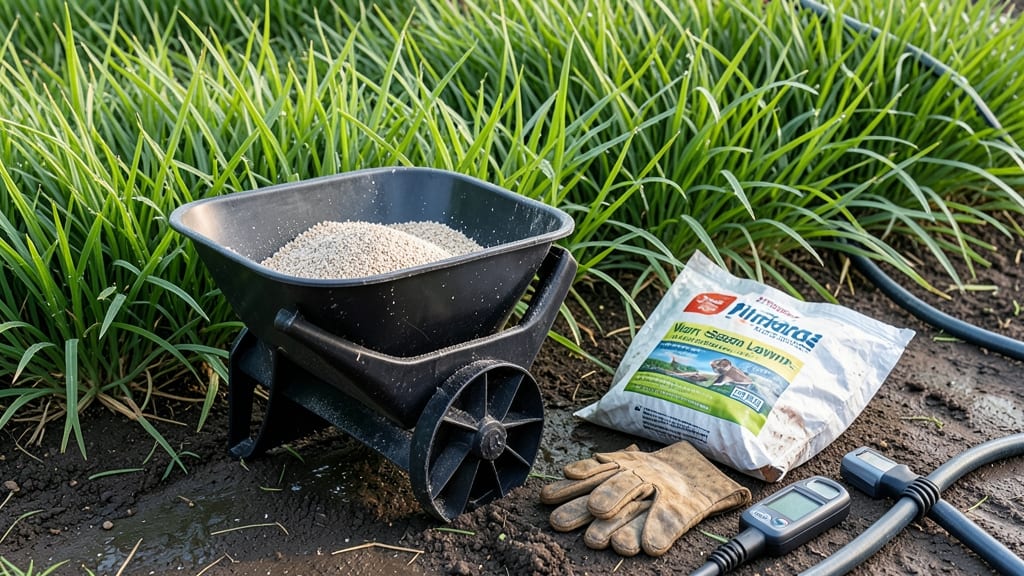
Fertilizing your Louisiana lawn at the right time means the difference between a thick, green carpet and a patchy, struggling yard 🌱.
Louisiana’s humid subtropical climate demands a precise fertilization schedule to keep your lawn lush year-round—but timing is everything. Miss the window, and you risk burning grass or wasting money on ineffective treatments.
Most homeowners in zones 8a-9b should focus on spring and early fall, when the weather cooperates and your grass is actively growing. But even then, a one-size-fits-all approach won’t work—Northern Louisiana’s cooler winters and Southern humidity create very different needs.
Below, I break down the exact months to fertilize, the best types of fertilizer for your grass type, and how to avoid common mistakes that leave lawns looking sadder than a Super Bowl loss.
Louisiana fertilization schedule by climate zone: best months for year-round lawn care
Louisiana’s three distinct climate zones—North, Central, and South—create unique challenges for lawn care. Warm-season grasses like Bermuda and St. Augustine thrive in the heat, but cool-season grasses like ryegrass need different timing.
My month-by-month schedule ensures your lawn stays vibrant without over-fertilizing or risking nutrient burn.
In North Louisiana (Zone 8a), cooler winters mean you can fertilize earlier in spring and later into fall. Central Louisiana (Zone 8b) offers a longer growing season, while South Louisiana (Zone 9a) demands careful summer fertilization to avoid stressing heat-sensitive grasses. Soil tests are critical—Louisiana’s acidic soils often need lime or micronutrient adjustments before fertilizing.
I’ve broken down the best fertilizer types for each zone, from slow-release granules to organic compost teas. Spring green-up (March–April) and fall root strengthening (September–October) are prime times, but summer feeding requires extra caution. Let’s dive into the optimal months for each zone to keep your lawn lush year-round.
For North Louisiana, I recommend starting in early March with a high-nitrogen fertilizer (16-4-8) to kickstart growth after winter dormancy. April’s second feeding should include iron supplements if your soil is clay-heavy, as seen in areas like Shreveport. Fall fertilization in September and October focuses on root development—use a slow-release formula to avoid late-season growth that won’t harden off before winter.
In Central Louisiana, where temperatures stay mild year-round, February’s early feeding primes grass for spring. August’s late-summer feed is crucial for St. Augustine grass, but opt for a low-nitrogen, high-potassium blend (like 10-10-20) to strengthen heat tolerance. September’s final feed should be lightweight—think compost tea or fish emulsion—to encourage root growth without promoting tender new shoots.
Southern Louisiana’s Zone 9a demands a shifted schedule due to year-round warmth. January and February are ideal for winter green-up, using a balanced fertilizer (like 12-12-12) to support Centipede grass, which stays active in cooler months. October and November focus on pre-winter recovery, but avoid heavy feeds—micronutrients like zinc or manganese help combat acidic soil common in Gulf Coast areas.
Summer fertilization in Louisiana is a delicate balance. From June through July, I never recommend heavy feeding—high temperatures and humidity cause grass to burn quickly. Instead, use light organic options like kelp meal or worm castings in early morning to hydrate roots without shocking the lawn. Water deeply after application to flush nutrients into soil.
Pro tip: Soil pH matters. Louisiana’s acidic soils (often pH 5.0–6.0) need lime applications before fertilizing. Test your soil in late winter and adjust
Signs your Louisiana lawn needs fertilizer (and when to avoid it)
Your Louisiana lawn sends clear signals when it craves nutrients. Yellow patches or pale green blades are the most obvious clues—these indicate nitrogen deficiency, common in our humid subtropical climate where heavy rainfall leaches nutrients quickly. Even slow growth despite regular watering suggests your grass isn't getting enough to thrive.
Don't ignore thinning grass either—this often means your lawn is competing with weeds for resources. Louisiana's warm-season grasses like Bermuda and St. Augustine grow aggressively in spring and fall, but without proper nutrients, they'll struggle to fill in bare spots.
The key is spotting these signs early before small problems become costly repairs.
⚠️ When to PAUSE Fertilization in Louisiana
- Heavy rainfall (>2 inches/week): Nutrients wash away—wait until soil dries
- Extreme heat (>95°F): Grass burns easily—use light feed only
- Fungal signs (mushrooms, gray mold): Fertilizer feeds pathogens—treat first
- Winter dormancy (Dec-Feb): Grass sleeps—fertilizer does nothing
Pro Tip: Test soil pH first—Louisiana's acidic soils often need lime before fertilizer.
Seasonal shifts trigger fertilization needs too. After Louisiana's last frost date (mid-February), your lawn wakes up hungry—apply high-nitrogen fertilizer (16-4-8 ratio) to jumpstart growth. Conversely, late summer's heat slows nutrient uptake, so switch to slow-release formulas to prevent burning.
Watch for dark green streaks after fertilizing—that's a sign of over-application, common in Louisiana's wet climate where excess nutrients runoff.
Always follow the 1/2 lb per 100 sq ft guideline, and water deeply after to activate nutrients without waste. Morning applications work best too, as evening fertilization can encourage fungal growth in our humid air.
Don't fertilize when your lawn shows waterlogged soil or diseased patches—these are red flags to pause treatment. Louisiana's frequent rain means soil stays saturated longer than northern states, creating perfect conditions for fungal lawn diseases.
If you see grayish-brown spots or mushrooms popping up, address the root cause first with fungicide or drainage improvements before adding fertilizer.
Remember: Organic matter like compost can replace some synthetic fertilizer needs in Louisiana's rich soils. For St. Augustine grass, focus on potassium-rich fertilizers (like 10-10-20) in fall to strengthen roots against our hurricane season winds.
When in doubt, soil test annually—many Louisiana lawns need micronutrients like iron or zinc that standard fertilizers miss.