
Fertilization
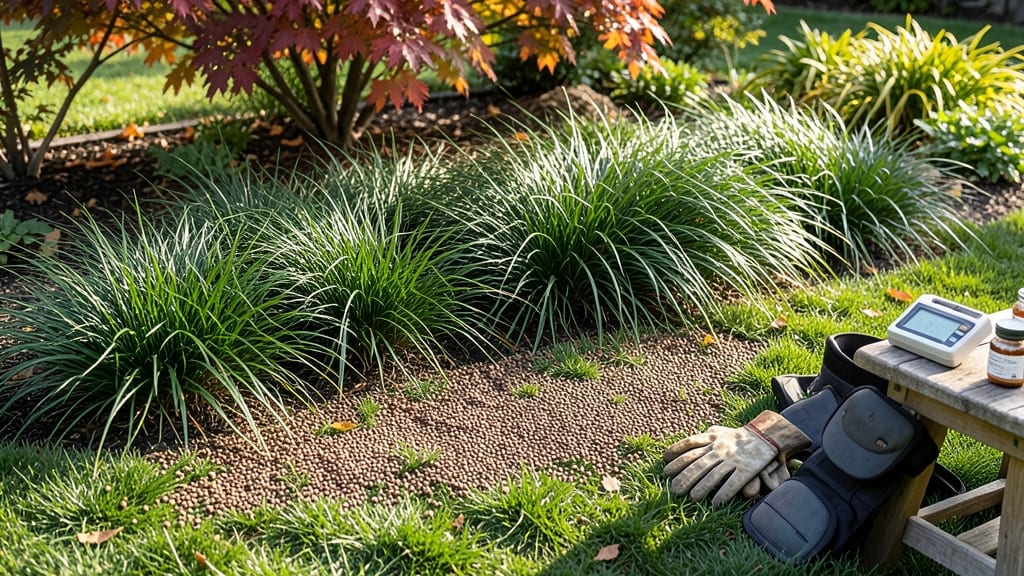
Fertilizing your lawn in the fall is the best way to build roots and color for next spring—but if you wait too late or apply the wrong type, you’ll waste money or even stress your grass.
Picture this: you’ve spent all summer mowing, watering, and hoping for the best, only to see your lawn turn patchy by winter. The difference between a thriving yard and a struggling one often comes down to one simple timing rule—and it’s not what most gardeners guess.
Cool-season grasses like Kentucky bluegrass and fescue need nutrients 4-6 weeks before frost to strengthen roots, while warm-season types in the South benefit from an early fall boost to prepare for winter dormancy. Missing this window means weaker grass that struggles to bounce back in spring.
In this guide, I’ll break down the exact weeks to fertilize by USDA zone, which fertilizers work best, and how to spot when your lawn is truly ready—so you can skip the guesswork and grow a lawn that stays green year-round.

Fall fertilization timeline by USDA climate Zones: exact weeks to apply
Fall is the perfect time to give your lawn a nutrient boost before winter dormancy, but the exact timing depends on your USDA climate zone and grass type. Cool-season grasses like Kentucky bluegrass and tall fescue thrive with late-season feeding, while warm-season grasses like Bermuda and zoysia need early prep.
Missing this window can leave your lawn weak and patchy next spring.
In northern climates (Zones 3-6), aim to fertilize 4-6 weeks before your first frost date. For southern regions (Zones 7-10), late summer fertilization helps warm-season grasses transition into dormancy. The key is balancing nutrient uptake with cooling temperatures to avoid winter burn.
Here’s your zone-specific fertilization timeline, including exact weeks to apply for both cool-season and warm-season grasses:
| USDA Zone | Cool-Season Grasses (Bluegrass, Fescue) | Warm-Season Grasses (Bermuda, Zoysia) | Key Notes |
|---|---|---|---|
| Zones 3-4 | Late August - Early September (6-8 weeks before frost) | Early September (transition prep) | Use high-phosphorus fertilizer (10-0-10 or 16-4-8) |
| Zones 5-6 | Mid-September - Early October (4-6 weeks before frost) | Late August - Mid-September | Avoid fertilizing within 30 days of frost |
| Zones 7-8 | Early October - Mid-November (2-4 weeks before frost) | Late August - Early September (dormancy prep) | Southern zones may need light winterization fertilizer |
| Zones 9-10 | Not recommended (dormant in winter) | Late July - Early August (summer feeding) | Focus on late-summer watering for warm-season grasses |
For cool-season grasses, the goal is to stimulate root growth before dormancy. Apply a slow-release fertilizer with a higher phosphorus content (middle number in NPK) to encourage deep root development. Water thoroughly after application to help nutrients penetrate the soil.
In southern climates (Zones 9-10), warm-season grasses like Bermuda and zoysia go dormant in winter, so fertilization shifts to late summer. This prep helps them recover quickly in spring. Avoid heavy nitrogen applications in fall, as they can promote tender new growth vulnerable to frost damage.
Pro tip: Test your soil in early fall to check pH levels and nutrient deficiencies. Aim for a pH of 6.0-7.0 for most grasses. If your soil is acidic, apply lime 2-3 months before fertilizing to improve nutrient uptake.
Timing isn’t just about the calendar—watch for temperature cues. Cool-season grasses should receive their final feeding when daytime highs are consistently below 70°F (21°C). This ensures roots strengthen without encouraging late-season growth that could be damaged by frost.
After fertilizing, reduce mowing heights slightly to 2.5-3 inches for cool-season grasses. This helps them store more energy in their roots for spring. For warm-season grasses, maintain heights at 1-1.5 inches to protect against winter desiccation.
Remember, fall fertilization isn’t just about aesthetics—it’s about root health. A well-fed lawn enters winter with robust roots, ready to bounce back with vibrant green growth as soon as temperatures rise in spring. Mark your calendar now and give your grass the head start it deserves!
Signs your lawn needs fall fertilization (and what’s missing)
Your lawn sends subtle signals when it needs fall fertilization. Look for yellowing patches that don’t bounce back after mowing, or thin, patchy areas where weeds have taken over. These often indicate nitrogen deficiency or poor root development from summer stress.
Even if your lawn looks green, slow recovery after foot traffic or excessive thatch buildup (over ½ inch thick) are red flags for nutrient starvation.
Another key sign is stunted growth in early fall when grass should be thickening. If your lawn hasn’t filled in by late September, it’s likely missing phosphorus or potassium, which are critical for root strength before winter.
Don’t ignore brown tips or edges either—this often means your soil lacks iron or magnesium, common in compacted or acidic soils.
🌱 Pro Tip: Press your thumb into the soil—if it feels hard or rubbery, compaction is blocking nutrients. This is your cue to aerate before fertilizing to let roots breathe.
🌱 Diagnostic Checklist for Fall Fertilization Needs
To pinpoint exactly what’s missing, conduct a simple soil test ($10-$20 kits work). Look for low phosphorus (P) (below 30 ppm) or potassium (K) (below 100 ppm)—these are your lawn’s winter armor. If your test shows acidic soil (pH < 6.0), apply lime (calcium carbonate) first, then fertilize.
For compacted soil, rent a core aerator to create ¼-inch holes every 3 inches before applying fertilizer.
For cool-season grasses (like Kentucky bluegrass or fescue), aim for a 10-0-10 or 16-4-8 fertilizer—the high phosphorus helps roots grow deep before dormancy. Warm-season grasses (Bermuda, zoysia) in southern zones (8-10) should get a light feeding in late August with a 5-10-10 blend to prep for winter slowdown.
💡 Action Step: After fertilizing, water deeply (½ inch) to activate nutrients. Avoid fertilizing if frost is forecast within 2-3 weeks—grass won’t absorb it, and excess can burn roots.
Remember, fall fertilization isn’t just about green—it’s about root strength that keeps your lawn resilient through winter and ready to explode in spring. Start with these signs, then match your fertilizer to your soil’s specific needs. Your lawn’s future self will thank you! ✂️