
Mower
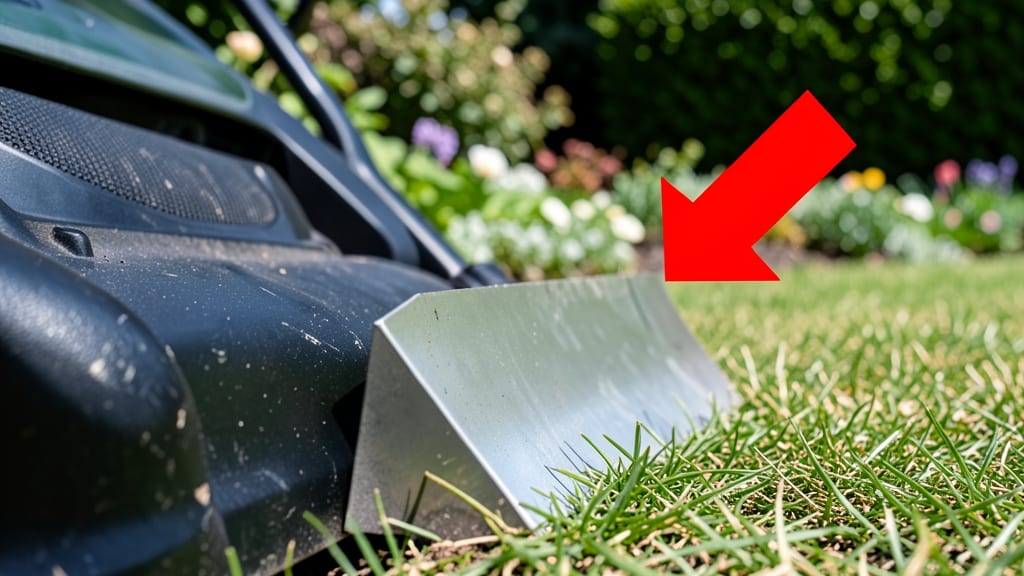
To get the best results when installing a lawn mower blade, the sharp side should always face up toward the grass, ensuring smooth cuts that keep your lawn looking its best. The beveled edge should angle away from the mower deck toward the grass for optimal performance.
Getting this right makes a huge difference in how your lawn looks and feels after mowing.
When the blade cuts cleanly, grass recovers faster and stays healthier, reducing brown patches from ragged edges. 🌱 I’ve seen firsthand how a properly installed blade can transform a dull, uneven cut into a crisp, professional finish—it’s like night and day!
The beveled edge isn’t just about looks either; it helps the blade glide through grass with less resistance, which also saves fuel and extends blade life.
Most blades have a flat side and a sharpened side—the sharpened side is what actually slices the grass. If you install it backward, you’ll end up with torn grass instead of clean cuts, and that’s when problems like disease or uneven growth start.
Always double-check the blade’s markings or consult your mower’s manual if you’re unsure which side is which.
💡 In This Article
- Why Blade Orientation Matters for Lawn Health
- Step-by-Step Guide to Installing Lawn Mower Blades Correctly
Why blade orientation matters for lawn health
The sharp side of a lawn mower blade isn’t just for aesthetics—it’s the difference between a healthy lawn and one struggling to recover. When the blade cuts cleanly, the grass blades are severed smoothly, leaving a clean, straight edge that helps the plant heal faster.
This is crucial because a ragged cut creates tiny openings where moisture and disease can enter, leading to brown patches or fungal infections. 🌱 Think of it like giving your grass a fresh haircut: a clean cut promotes faster regrowth, while a jagged one leaves split ends that weaken the plant.
Here’s the science behind it: The beveled edge of the blade (the sharpened side) is designed to slice through grass fibers with minimal resistance. When installed correctly, this edge angles away from the mower deck toward the grass, creating a shearing action that reduces friction.
This isn’t just about performance—it’s about efficiency. A properly oriented blade glides through grass with about 20-30% less resistance than one installed backward, which means your mower uses less fuel and the blade lasts longer.
Plus, the clean cut prevents grass from tearing, which can lead to uneven growth or scalping.
Grass health isn’t the only benefit—your mower’s performance improves too. A blade installed with the dull side up will struggle to cut through thick or damp grass, forcing the engine to work harder.
Over time, this extra strain can lead to premature wear on both the blade and the mower’s drive system. I’ve seen mowers with blades installed backward leave behind a tattered mess instead of the crisp, even cut you’d expect.
The difference is immediately noticeable: clean cuts mean less stress on the grass, faster recovery, and a lawn that looks well-maintained with minimal effort. 💫
Another often-overlooked factor is how blade orientation affects fuel efficiency. When the blade cuts cleanly, the mower’s deck doesn’t have to compensate for resistance, which translates to better gas mileage.
For example, a 40-inch residential mower with a properly installed blade can save up to 10% in fuel consumption over a season compared to one with a backward blade. That might not sound like much, but for larger properties or commercial mowers, those savings add up quickly.
Plus, the reduced stress on the blade means fewer replacements, saving you money in the long run.
For those who love the details, here’s a quick visual check: Hold the blade in your hand with the flat side facing down. The sharpened edge should slope downward toward the tip—this is how it should angle when installed.
If you’re still unsure, look for manufacturer markings on the blade itself, like an arrow or "UP" label. Most blades also have a slight curve or bevel on the sharpened side, which helps guide the cut.
Ignoring these details can turn a simple mowing task into a struggle for both your lawn and your equipment. 🔥
What most people don’t realize is how blade orientation impacts grass recovery after mowing. A clean cut allows the grass to photosynthesize more efficiently because the damaged cells are minimized. Ragged cuts, on the other hand, create microscopic tears that disrupt the plant’s ability to absorb sunlight and water.
Over time, this stress can weaken the grass, making it more susceptible to weeds and pests. So, while it might seem like a small detail, getting the blade orientation right is one of the easiest ways to keep your lawn thriving with less effort.