
Landscaping
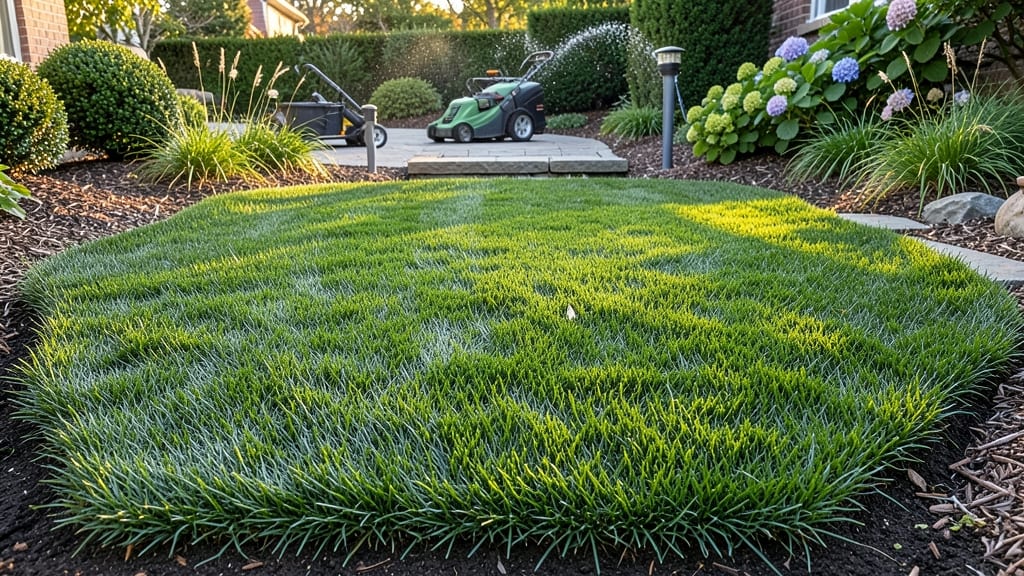
Absolute lawn care and landscaping isn't about endless work—it's about creating a vibrant, low-maintenance outdoor space that stays lush all year.
After years of trial and error (and a few brown patches), I discovered the secret lies in smart soil prep, the right grass mix, and seasonal tweaks that cut chores in half. Your yard can look like a magazine spread without the daily upkeep.
The trick starts with soil that drains well but holds moisture—think of it as the foundation of your lawn. We're talking 6-8 inches of topsoil mixed with compost, not just the stuff that came with your house.
Then choose grass that matches your climate and foot traffic: tall fescue for shade, Kentucky bluegrass for durability, or buffalo grass if you want near-zero watering. Mow high (3-4 inches) to shade roots and block weeds.
By summer, you'll have a lawn that stays green through droughts and recovers from kids' games faster than ever. The real magic happens in fall when we focus on aeration and overseeding—just 2 hours of work that pays off for the next two seasons.
Plus, your landscaping can incorporate native perennials that thrive with almost no attention once established.
This works for any yard size, from suburban lots to small city patches. The same principles apply whether you're fixing a struggling lawn or designing a new landscape. Let's make your outdoor space the envy of the neighborhood without the backbreaking work.
Root Causes Of Lawn Struggles
Understanding why your lawn struggles to stay lush and vibrant is the first step toward achieving that year-round green perfection with minimal effort. Even the most well-maintained landscapes can face challenges due to a mix of environmental, biological, and human factors.
Let’s break down the science-backed reasons behind common lawn issues—and how they tie into smart landscaping practices.
---
Your lawn’s foundation is its soil, and when it’s unhealthy, your grass suffers—even with the best care. Here’s why soil goes wrong:
- Compacted Soil 🪨 Heavy foot traffic, machinery, or clay-heavy soil compresses the ground, reducing oxygen and water flow to roots. This creates a barrier that strangles grass growth. Test it: Press your thumb into the soil—if it barely leaves a mark, compaction is likely the issue.
- Nutrient Deficiencies 🧪 Soil naturally depletes essential nutrients like nitrogen, phosphorus, and potassium over time. Without replenishment, grass turns yellow or brown, even if watered regularly. Signs: Patchy growth, slow recovery after mowing, or weak stems.
- pH Imbalance 📉📈 Grass thrives in a slightly acidic to neutral pH (6.0–7.0). Soil that’s too alkaline (high pH) locks out iron and manganese, causing chlorosis (yellowing leaves with green veins). Too acidic? It releases aluminum and manganese toxins, burning roots.
- Lack Of Organic Matter 🍂 Soil without compost, decomposed leaves, or mulch loses structure and water-holding capacity. Organic matter feeds beneficial microbes that break down nutrients—without it, your lawn becomes a nutrient desert.
Actionable Fix: Conduct a soil test (DIY kits or lab tests) to identify pH and nutrient gaps. Amend with compost, gypsum (for clay), or sulfur (for high pH) to restore balance.
---
Water is life—but wrong timing, uneven distribution, or extremes can wreck your lawn faster than you think.
- Overwatering 💦💦 Soggy soil suffocates roots by cutting off oxygen, inviting fungal diseases (like brown patch or dollar spot). How to spot it: Mushrooms popping up or grass with a slimy, foul smell.
- Underwatering 💧❌ Shallow roots develop when grass doesn’t get deep, infrequent watering (1–1.5 inches per week). Drought stress turns blades blue-gray and brittle—often mistaken for disease.
- Irregular Watering ⏰🌞 Morning watering (before 10 AM) is ideal because it reduces evaporation and fungal growth. Evening watering? Leaves grass damp overnight—fungus paradise.
- Poor Irrigation Systems 🚰 Sprinklers that mist (instead of soaking) waste water and encourage powdery mildew. Check for uneven wet spots—this means some areas get drowned while others dry out.
Actionable Fix: Upgrade to soaker hoses or smart sprinklers with rain sensors. Water deeply 2–3 times per week (early morning) and let soil dry slightly between sessions.
---
Even the hardiest grass can’t fight off insects, fungi, or weeds without intervention. Here’s what’s really chewing up your lawn:
- Grubs And Insect Larvae 🐛 White grubs (from Japanese beetles or June bugs) munch on roots, causing brown patches that pull up easily. Test: Dig a small square—if you find C-shaped larvae, treat with beneficial nematodes or milky spore.
- Fungal Infections 🍄 Warm, humid weather + thick thatch = perfect conditions for fungi like rust, leaf spot, or snow mold. Red flags: Orange rust spores, circular brown patches, or white fungal threads on blades.
- Weed Invasion 🌿🚫 Weeds like crabgrass or nutsedge thrive in weak, compacted soil. They steal water and nutrients, leaving your grass starved and patchy.
- Animal Damage 🦌🐇 Deer, rabbits, and voles graze on young grass or dig up roots. Signs: Irregular holes, chewed blades, or nighttime activity trails.
Actionable Fix: Prevent pests with seasonal fungicides (spring/fall), grub control in summer, and post-emergent herbicides for weeds. For animals, install repellent plants (like marigolds or lavender) or fencing.
---
Skipping best practices in mowing, fertilizing, and aerating can turn your lawn into a high-maintenance headache.
- Cutting Too Short ✂️😬 Scalping grass (below 2–3 inches) stresses roots, weakens disease resistance, and invites weeds. Rule of thumb: Never remove more than ⅓ of the blade height at once.
- Using Dull Mower Blades 🔪❌ A dull blade tears grass instead of cleanly cutting it, creating ragged edges that dry out and turn brown. Fix: Sharpen blades every 20–30 hours of use.
- Skipping Aeration 🪓 Thatch (a layer of dead grass buildup) blocks water and air from reaching roots. Without core aeration (2x/year), soil becomes impermeable.
- Over-Fertilizing 💥 Too much nitrogen = burned grass and algae growth in water runoff. Signs: Yellowish-brown patches or white crust on soil.
Actionable Fix: Mow high (3–4 inches for cool-season grass, 2–3 for warm-season) with a sharp blade. Aerate in spring and fall, and fertilize in small, timed doses (early spring and late summer).
--- Pro Tip: 💡 Most lawn problems start underground. A healthy soil microbiome (thanks to compost, mycorrhizal fungi, and proper watering) is your secret weapon for low-effort, high-impact green perfection.
Quick Fixes for Common Lawn Woes
Revitalizing your outdoor space doesn’t have to be a daunting task—even stubborn issues have straightforward solutions. Below, we map out practical fixes for the most frustrating lawn and landscaping problems, paired with prevention tips to keep your yard thriving with minimal long-term effort.
---
Cause: Uneven mowing, poor soil health, or neglect. Fix: - 🔪 Trim aggressively – Set your mower to its highest setting and cut back overgrown areas in stages (never remove more than ⅓ of the blade height at once). - 🌱 Reseed bare spots – Sprinkle high-quality grass seed over thin patches, then lightly rake and water daily for 2 weeks. - 💡 Pro Tip: Aerate compacted soil in spring/fall to encourage root growth—rent a core aerator or spike with a garden fork.
Prevent It: ✔ Mow weekly (or every 5–7 days in peak growth seasons). ✔ Test soil pH (ideal: 6.0–7.0) and amend with lime or sulfur as needed. ✔ Overseed annually in early fall for a denser lawn.
---
Cause: Poor soil health, lack of mulch, or seasonal pests. Fix: - 🌿 Hand-pull weeds – Grab weeds at the root (especially dandelions and clover) when soil is moist. For stubborn patches, apply vinegar + dish soap (spot-treat only—don’t overspray grass). - 🐞 Target pests naturally – Use neem oil for grubs or beneficial nematodes for lawn grubs. For ants, sprinkle diatomaceous earth along trails. - 🌡️ Soil treatment – Apply a pre-emergent herbicide in early spring to block weeds, then overseed.
Prevent It: ✔ Mulch garden beds with 3–4 inches of wood chips to suppress weeds. ✔ Encourage predatory insects (like ladybugs) by planting marigolds or clover. ✔ Water deeply but infrequently (1–1.5 inches/week) to discourage fungal pests.
---
Cause: Underwatering, poor drainage, or heat stress. Fix: - 💦 Deep watering – Water early morning (4–8 AM) for 20–30 minutes, 2–3 times per week. Let soil dry slightly between sessions. - 🌧️ Improve drainage – If water pools, core aerate and top-dress with sand or compost. - 🍃 Revive brown patches – Lightly rake dead grass, then spread slow-release fertilizer (high in nitrogen).
Prevent It: ✔ Install a smart irrigation system (or use rain sensors). ✔ Plant drought-tolerant grasses like tall fescue or buffalo grass in hot climates. ✔ Apply 2–3 inches of mulch around trees/shrubs to retain moisture.
---
Cause: Autumn shedding or poor yard maintenance. Fix: - 🍂 Rake regularly – Use a leaf blower or vacuum to clear gutters, drains, and lawn surfaces weekly. - 🔄 Mulch leaves – Chop leaves with a mower and leave them as natural mulch (adds nutrients as they decompose). - 🌳 Clean gutters – Use a gutter scoop and hose to prevent ice dams in winter.
Prevent It: ✔ Plant evergreen shrubs near gutters to reduce leaf buildup. ✔ Install gutter guards for low-maintenance protection. ✔ Schedule monthly yard cleanups in fall.
--- Cause: Excess moisture, poor airflow, or over-fertilizing. Fix: - 🍄 Fungicide treatment – Apply a copper-based fungicide or baking soda mix (1 tbsp baking soda + 1 gallon water + a drop of dish soap) to affected areas. - 🌬️ Improve airflow – Thin out dense shrubs and prune trees to allow sunlight and air circulation. - 🚫 Avoid watering at night – Switch to early morning watering to prevent fungal spores from thriving.
Prevent It: ✔ Aerate annually to reduce thatch buildup. ✔ Mow high (3–4 inches) to strengthen grass resilience. ✔ Test soil before fertilizing—overdoing it feeds fungi.
--- Cause: Root rot, pests, or improper planting. Fix: - 💧 Check soil moisture – Stick your finger 2 inches deep; if dry, water deeply. If soggy, improve drainage with perlite or gravel. - 🐛 Inspect for pests – Look for aphids, spider mites, or borers.
Treat with insecticidal soap or neem oil. - 🌱 Prune dead growth – Cut back blackened stems to healthy tissue, then fertilize with balanced 10-10-10.
Prevent It: ✔ Plant in well-draining soil (amend clay soil with compost). ✔ Mulch properly (2–3 inches, keeping mulch away from stems). ✔ Rotate crops if growing vegetables to prevent soil-borne diseases.
--- Final Thought: Most lawn and landscaping issues are quick to fix if caught early! By addressing problems proactively—whether through smart watering, soil care, or seasonal maintenance—you’ll spend less time reacting and more time enjoying your year-round green oasis. 🌿✨
Frequently asked questions
What's the best grass type for my climate?
Your local climate dictates the best grass type. For cool-season regions (like the Northeast), try Kentucky bluegrass or tall fescue—both handle foot traffic well. In warm-season areas (South/Southwest), Bermuda grass or Zoysia thrive with less water. Always check your USDA hardiness zone first!
How often should I aerate my lawn?
Aerate twice yearly—once in early spring (before fertilizing) and again in fall (after overseeding). If your lawn gets heavy use, add a third session in late summer. Core aeration (removing small soil plugs) works best for compacted soil.
Can I overseed without aerating first?
You can, but results will be 50% worse. Aerating creates holes for seed-to-soil contact and lets roots penetrate deeper. If you must skip aeration, at least verticut (mow with a blade that slices through thatch) or use a slit seeder to create channels for seeds.
What's the #1 mistake people make with lawn fertilizers?
Overapplying nitrogen! Most people use too much, too often, which burns grass and pollutes waterways. Instead, use a slow-release fertilizer (like 24-0-5) 2-3 times per year—spring, summer, and fall—and always follow package rates. Less is more!
How do I fix a lawn that's been neglected for years?
Start with a soil test, then: 1) Dethatch if buildup exceeds ½ inch 2) Aerate deeply (rent a core aerator) 3) Spread 2-3 inches of compost and work it in 4) Overseed with a mix of cool/warm-season grasses 5) Water lightly daily for 2 weeks Patience is key—revival takes 3-6 months!