
Lawn
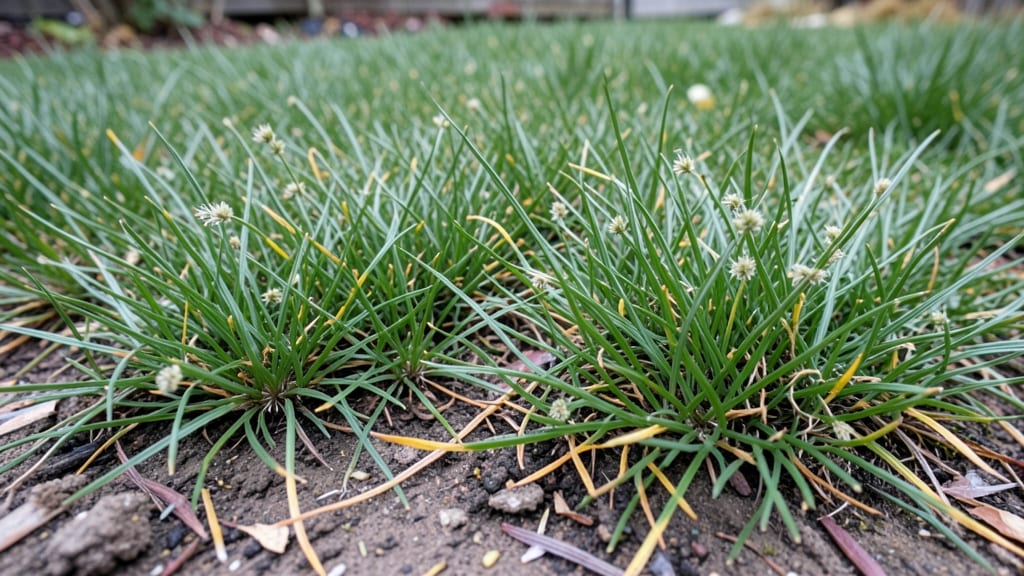
Leaves are bad for grass when they pile up unchecked, smothering blades by blocking sunlight and airflow, which weakens roots and invites fungal diseases like brown patch. Thick layers also trap moisture, suffocating soil microbes and creating pest habitats.
When leaves blanket your lawn, they don't just look messy—they act like a suffocating blanket. Without proper airflow, grass blades can't photosynthesize effectively, leading to yellowing or dead patches. 🌿 I've seen firsthand how a 1-inch layer of leaves can trap excess moisture, creating the perfect conditions for fungal growth.
The good news? Regular raking or mulching can turn this problem into an opportunity—shredded leaves even decompose into natural fertilizer over time.
Timing matters too. Fallen leaves in early autumn are less damaging than those left through winter, when they block sunlight for months.
If you're dealing with a heavy leaf problem, consider using a lawn mower to shred them into smaller pieces—this lets light and air reach the grass while still breaking down naturally.
💡 In This Article
- How Fallen Leaves Harm Grass Health
- Best Leaf Removal and Grass Protection Methods
How fallen leaves harm grass health
When leaves accumulate on grass, they create a physical barrier that disrupts the critical process of photosynthesis. Grass blades need direct sunlight to convert carbon dioxide and water into energy through chlorophyll.
A ½-inch layer of leaves can reduce light penetration by up to 30%, while a 1-inch layer can block 70% or more—effectively starving the grass of the energy it needs to grow and repair.
This light deprivation weakens the plant's cellular structure, making it more susceptible to stress from cold, drought, or disease. 🔥
The trapped moisture beneath leaf layers creates a perfect storm for fungal infections like brown patch disease (Rhizoctonia solani), which thrives in damp, shaded conditions. These fungi attack the grass blades at the soil line, creating circular patches of dead, straw-like turf.
The ideal temperature for fungal growth is 75-85°F, which leaf layers can maintain even in cooler seasons by trapping heat. Studies show that lawns with thick leaf cover experience 2-3x higher fungal activity compared to clear lawns during fall and winter.
Beyond light and moisture issues, fallen leaves compact soil over time, reducing its porosity. Healthy soil needs 25-30% air space for proper root respiration and microbial activity. Leaf layers compress the soil surface, squeezing out oxygen and preventing water from draining efficiently.
This creates anaerobic conditions where beneficial soil microbes—like nitrogen-fixing bacteria and mycorrhizal fungi—struggle to survive. The result? Grass roots become shallow and weak, unable to access nutrients or water effectively. 💫
Another hidden consequence is the alteration of soil pH. As leaves decompose, they release organic acids that can gradually acidify the soil (lowering pH). Most grasses prefer a neutral to slightly acidic range of 6.0-7.0.
If leaves remain for extended periods, the pH can drop below 5.5, making nutrients like phosphorus and calcium less available to the grass. This nutrient lockout further stresses the lawn, leading to yellowing, stunted growth, and increased vulnerability to pests like chinch bugs.
Pests also take advantage of leaf-covered lawns. Thick layers provide shelter for insects like sod webworms and grubs, which feed on grass roots. These pests weaken the grass further, creating entry points for diseases.
The combination of physical smothering, fungal infections, and pest activity can turn a healthy lawn into a patchwork of struggling turf within just a few weeks. The key factor here is timing—leaves left for more than 2-3 weeks significantly increase these risks. ✨
What most people don't realize is how leaf layers alter the lawn's microclimate. During the day, they trap heat, while at night they insulate the ground, preventing proper temperature fluctuations. Grass needs these natural temperature swings to harden off in fall and recover in spring.
Without them, the lawn remains in a state of prolonged stress, unable to prepare for seasonal changes effectively. This is why professional lawn care experts recommend removing leaves before first frost to give grass a fighting chance. 🌟