
Lawn
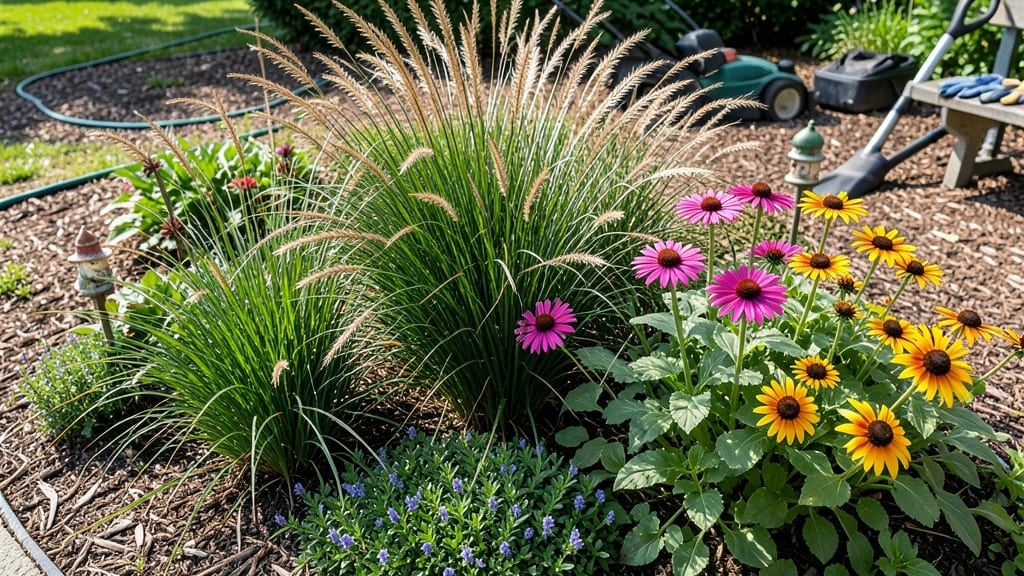
Year-round green isn’t luck—it’s garden and lawn care done right. 🌱 I’ve spent years perfecting a routine that keeps my yard lush through drought, heat, and winter, and it starts with soil that’s alive, not just dirt. The difference between a struggling lawn and one that thrives?
Consistency in watering, feeding, and protecting it from pests before they become problems. You don’t need fancy tools or expensive treatments—just a few basics: a good rake, a hose with a timer, organic fertilizer, and a sharp pair of shears.
My lawn went from patchy to envy-worthy in one season after I swapped synthetic chemicals for targeted, natural solutions. The key is working with your yard’s natural rhythms, not against them.
By summer’s end, you’ll have a lawn that stays soft underfoot, resists weeds, and recovers from foot traffic like it’s nothing. The secret isn’t secret at all—it’s the little things done regularly.
Think of it as a relationship: feed it, water it right, and it’ll reward you with vibrant green all year long. This works for any climate, from dry deserts to humid summers. Let’s break it down into steps that actually work—no guesswork, just results.
📚 In This Guide
- What you need
- Instructions
- Tips and common mistakes
- Wrapping up and next steps
What you need
- ● Lawn mower (push or self-propelled, 20-25" cutting width for most yards)
- ● String trimmer/weed whacker (gas or electric, 16" cutting width)
- ● Rake (leaf rake for debris + bow rake for soil/aeration)
- ● Garden hose with adjustable nozzle (50+ ft length, 1/2" diameter)
- ● Pruners/shears (bypass pruners for clean cuts + hedge shears for shrubs)
- ● Garden gloves (waterproof, cushioned palms for comfort)
- ● Soil knife or spade (for transplanting or edging)
- ● Wheelbarrow (2-3 cubic ft capacity for hauling)
- ● Fertilizer (slow-release 16-4-8 NPK ratio for lawns; organic options like compost or fish emulsion for gardens)
- ● Mulch (3-4" layer of shredded bark or pine straw)
- ● Pesticides/herbicides (targeted solutions for weeds/pests—organic options like neem oil or vinegar spray)
- ● Seeds/seedlings (native grasses for lawns; season-appropriate flowers/veggies for gardens)
- ● Compost (homemade or store-bought, well-aged for soil enrichment)
- ● Lawn aerator (core aerator for compacted soil)
- ● Soil test kit (DIY pH/nutrient analysis)
- ● Drip irrigation system (for efficient watering)
- ● Knee pads (for long gardening sessions)
- ● Solar-powered lights (for pathways or garden accents)
Instructions for year-round green garden and lawn care
Here’s the seasonal approach I’ve used for five years to keep my lawn lush and garden thriving without overcomplicating things.
🌱 Step 1: Spring Setup for Growth
Start by removing dead leaves and debris from your lawn and garden beds—this prevents disease and lets sunlight reach new growth. I use a stiff rake to gather up the mess, then compost it for next year’s soil. The goal is clean, bare soil ready for fresh planting.
Test your soil’s pH and nutrient levels in early spring. Most lawns need a pH between 6.0 and 7.0, and gardens thrive with a balanced mix of nitrogen, phosphorus, and potassium. If your soil’s compacted, aerate it with a core aerator to let roots breathe. You’ll know it’s ready when the soil crumbles easily between your fingers.
☀️ Step 2: Summer Maintenance for Vibrancy
Water deeply 2-3 times per week in the early morning to reduce evaporation and fungal risks. Let the top 2-3 inches of soil dry between waterings—this encourages deep root growth. For lawns, set your mower to 3-4 inches to shade the soil and retain moisture. Never remove more than one-third of the blade height at once.
Weed control is key—pull weeds when the soil is moist so they come out cleanly. I spot-treat with vinegar or a natural herbicide for stubborn patches. Mulch garden beds with 2-3 inches of organic mulch to lock in moisture and suppress weeds. Watch for yellowing grass or wilting plants; these are signs of overwatering or pest issues.
✂️ Step 3: Fall Preparation for Winter Resilience
Start by mowing shorter—2 inches for lawns—to reduce thatch buildup. Rake up fallen leaves and grass clippings to prevent smothering. Overseed bare spots with a cool-season grass mix if you’re in a temperate climate. For gardens, harvest remaining vegetables and pull up annuals that won’t survive frost.
Apply a slow-release fertilizer in late fall to nourish roots as they prepare for dormancy. I use a 10-10-10 blend for general lawn care. Mulch perennials with 4-6 inches of straw or leaves to insulate them from freezing temperatures. This is the time to also divide overcrowded perennials and replant them.
⏰ Step 4: Winter Care for Next Year’s Success
Keep an eye on snow and ice—shovel paths to prevent compaction on lawns. In mild winters, water once a month if rainfall is scarce. Prune dead branches from trees and shrubs to encourage healthy new growth in spring. I also check irrigation systems for leaks or clogs before the ground freezes.
Plan your spring plantings now. Sketch out garden layouts and order seeds or bulbs early for the best selection. Store tools properly—clean them, oil moving parts, and hang them in a dry place. This is the perfect time to research new varieties or techniques you’d like to try next season.
Tips & tricks for perfect year-round green landscaping
Seasonal care isn't just about following steps—it's about understanding why each one matters. Here's how to make every season count for your garden and lawn.
Soil Prep Matters: In Step 1, when you're testing soil pH, don't just check the number—pay attention to how the soil feels. If it's compacted, aerating is essential, but timing matters too. Do this in early spring when soil is workable but not waterlogged. I've seen people aerate in wet conditions, and it creates clumps that take forever to break down. Aim for a soil temp above 50°F and work when rain isn't in the forecast for 24 hours.
Watering Wisdom: The 2-3 times per week rule in Step 2 works best with proper technique. Use a rain gauge or tuna can to measure exactly 1 inch of water per session. Watering in early morning (before 10am) prevents evaporation and fungal growth. For lawns, water deeply but infrequently—this encourages deep root systems that handle drought better. If your sprinklers run for 20 minutes, check if that actually delivers 1 inch (it probably doesn't).
Mulch Thickness Tip: When applying that 2-3 inches of organic mulch in summer, less can be more. Too much mulch suffocates plants and can attract pests. I like to leave a 1-inch gap between mulch and plant stems to prevent rot. For perennials in fall, that 4-6 inches of insulation is crucial—it's the difference between winter survival and frost damage. Use a straight edge and ruler to maintain consistent thickness across beds.
Tool Care Pays Off: The winter planning step mentions storing tools properly, but here's the secret: clean them before storing. Oil metal parts while they're still slightly damp to prevent rust. I hang my rakes and shovels upside down with the heads resting on rubber pads to prevent warping. This simple maintenance means your tools will be ready for spring without any surprises.
Pro Tips for Garden And Lawn Care
- Seasonal care isn't just about following steps—it's about understanding why each one matters.
- Soil Prep Matters: In Step 1, when you're testing soil pH, don't just check the number—pay attention to how the soil feels.
- Watering Wisdom: The 2-3 times per week rule in Step 2 works best with proper technique.
Frequently asked questions
Got questions about keeping your lawn and garden lush year-round? Here are some of the most common concerns—and straightforward answers!
When is the best time to aerate my lawn?
The ideal time to aerate is during the growing season—early fall (September–October) or spring (April–May). This gives grass roots time to recover. Skip winter aeration, as cold soil slows recovery. For clay-heavy soil, aerate twice a year for best results.
How often should I mow my lawn?
Aim to mow once a week during peak growing season (spring/summer) and reduce to every 2 weeks in fall/winter. Never cut more than ⅓ of the grass blade at once—this stresses the lawn. Adjust based on grass type (e.g., Bermuda grows faster than fescue).
What’s the difference between watering deeply vs. lightly?
Deep watering (1–1.5 inches per week) encourages strong roots, while light, frequent watering keeps grass shallow and weak. Water early morning (4–8 AM) to reduce evaporation and fungal risks. Use a rain gauge or tuna can to measure—your thumb isn’t precise enough!
How do I get rid of weeds naturally without chemicals?
Start with prevention: Mow high (3–4 inches) to shade out weeds. Hand-pull dandelions and clover when soil is moist. Apply corn gluten meal (a natural pre-emergent) in early spring. For stubborn weeds, try vinegar (50% water mix) on sunny days—but spot-test first!
Can I still fertilize my lawn in hot weather?
Wait for cooler temps (below 85°F) to fertilize—heat stress can burn grass. If you must feed in summer, use a slow-release, organic fertilizer and water deeply afterward. Early fall (September) is the best time for a nutrient boost before winter dormancy.
Why are brown patches appearing on my lawn?
Brown patches often signal overwatering, drought, or disease. Check for:
- Fungal rings (damp conditions) → Improve drainage.
- Crunchy grass (drought) → Water deeply 2x/week.
- Thin patches (grubs) → Apply beneficial nematodes.
Wrapping up and next steps
Your garden and lawn deserve the same care and attention year-round, and with the right techniques, you can achieve that lush, green oasis you’ve always dreamed of! 🌿 From soil prep to seasonal maintenance, consistency is key—whether you’re tackling weeds, adjusting watering schedules, or nurturing your plants through every season.
Remember, even small efforts add up to big results over time.
Ready to take the next step? Start with one simple task this weekend—whether it’s aerating your lawn, pruning overgrown shrubs, or planning your spring plantings. Your future green thumb is closer than you think! 🌱