
Lawn
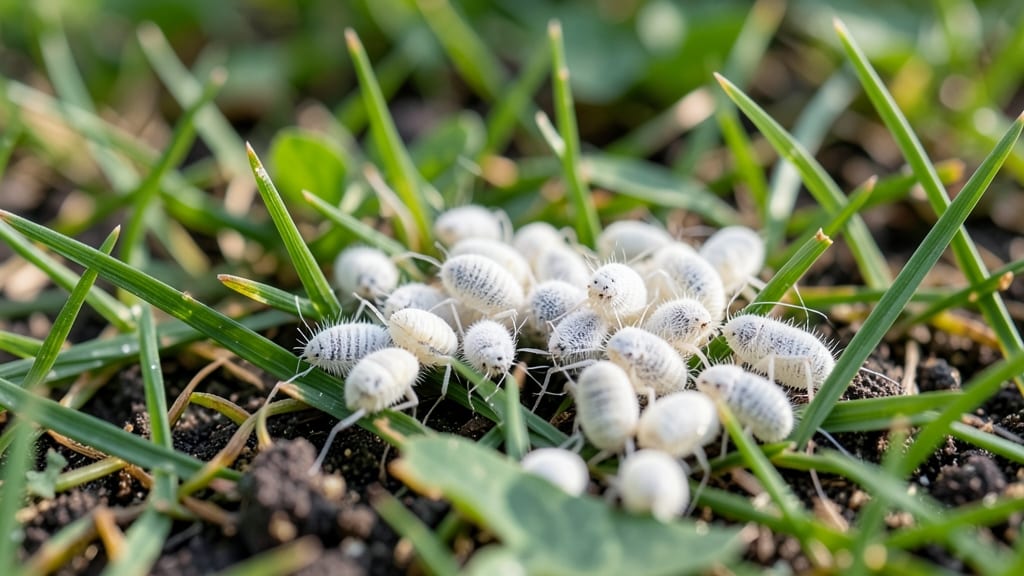
Your lawn's sudden white bug invasion could be grubs, fungus gnats, or mealybugs—each with a fast but different fix. 🌱 I've battled these pests for years, and I'll help you ID them in minutes and remove them organically without harming your grass.
The key is acting quickly before they chew through roots or spread. Grubs look like pale, C-shaped larvae under turf, while fungus gnats are tiny white flies hovering near damp soil. Mealybugs cluster as cottony white blobs on grass blades.
Grab a magnifying glass, a bucket of soapy water, and a hose—those are your first tools for immediate control. Most organic solutions work within 24-48 hours if applied correctly. You'll see fewer bugs within days, and your lawn will bounce back with healthier green growth.
The secret is combining physical removal with natural predators like nematodes or milky spore. I've restored lawns from near-bare patches using these methods—it's all about timing and consistency. Works for any grass type, from cool-season fescue to warm-season Bermuda. Let's get your lawn back to lush in no time!
📚 In This Guide
- What you need
- Instructions
- Tips and common mistakes
- Wrapping up and next steps
What you need
- ○ Garden gloves (1 pair) – Heavy-duty, chemical-resistant (optional but recommended for comfort).
- ○ Handheld magnifying glass (optional) – Helps ID bugs accurately (e.g., mealybugs vs. aphids).
- ● Spray bottle (16–32 oz) – For DIY organic sprays (soapy water, neem oil, etc.).
- ● Garden hose with adjustable nozzle – For rinsing off bugs or diluting solutions.
- ● Pruners or shears – To trim heavily infested grass or weeds.
- ○ Stiff brush (optional) – For scrubbing bugs off grass blades.
- ● Dish soap (unscented, 1–2 tbsp) – Mix with water for a quick bug-killing spray.
- ● Neem oil (1–2 tbsp) – Natural insecticide (mix with 1 tsp mild soap + 1 quart water).
- ○ Horticultural oil (optional) – Smothers bugs (use in cooler temps).
- ● Diatomaceous earth (DE) (food-grade, 1–2 cups) – Sprinkle lightly on dry lawn (reapply after rain).
- ○ Beneficial nematodes (optional) – Targets grubs/larvae (follow package rates).
- ○ Safety goggles (optional) – If using strong sprays or DE.
- ● Pet-safe marker – To avoid treating areas where pets play.
- ● Notebook & pen – Track infestation spots and treatment dates.
- ○ Lawn rake (optional) – For aerating soil post-treatment.
How to identify and remove white bugs from your lawn
Here's how to spot those pests and tackle them organically—without harsh chemicals.
🔍 Step 1: Identify the White Bugs in Your Lawn
First, get up close. White bugs in lawns are usually either mealybugs (soft, cottony clusters) or aphids (tiny, pear-shaped, often clustered on grass blades). Mealybugs leave a white, powdery residue, while aphids excrete sticky honeydew that attracts ants. Grab a magnifying glass or hand lens to confirm—this tells you which organic treatment to use.
Check the undersides of grass blades and stems, especially near new growth or leaf axils. If you see white, waxy secretions or tiny white flies when you disturb the grass, you're dealing with mealybugs. For aphids, look for tiny white or greenish insects moving rapidly when touched. This step is critical because misidentifying them means wasting time on the wrong solution.
🌱 Step 2: Remove Light Infestations by Hand
For small patches (under 2 square feet), handpicking works best. Wear gloves and use a sharp pair of tweezers to pluck off clusters of white bugs. Focus on the edges of infested areas first, where bugs tend to gather. Drop them into a bucket of soapy water—1 tablespoon dish soap per gallon—to kill them instantly. This method is fastest for early detection and prevents spread.
Work in the early morning when bugs are sluggish. You’ll see progress immediately if you remove 90% of visible clusters in one session. Don’t skip this step—even a few survivors can regrow into a full infestation within 3-5 days. If your lawn is larger, move to organic sprays next.
💧 Step 3: Apply Organic Sprays for Larger Infestations
Mix 1 tablespoon neem oil with 1 teaspoon mild liquid soap in 1 gallon of water for a broad-spectrum spray. Neem disrupts feeding and reproduction, while soap helps break down the waxy coating mealybugs rely on. Spray until the grass is visibly wet, focusing on the undersides of blades and leaf axils. Repeat every 5-7 days for 2-3 weeks—consistency is key here.
Apply in the late afternoon to avoid burning grass in direct sunlight. Shake the spray bottle frequently to keep ingredients mixed. You’ll notice fewer white clusters within 48 hours, but full eradication takes 2-3 weeks. Avoid overwatering after spraying—soil should stay moist but not soggy—or you’ll dilute the treatment.
✂️ Step 4: Strengthen Grass to Prevent Future Infestations
Healthy grass resists pests naturally. Mow high (3-4 inches) to shade out weeds and reduce stress. Aerate compacted soil in early fall to improve root health, and apply 1 pound of organic nitrogen fertilizer per 100 square feet in spring and fall. Overwatering weakens grass, so water deeply 2-3 times per week instead of daily light sprinkles.
Encourage beneficial insects like ladybugs and lacewings—they eat white bugs naturally. Plant clover or dandelions in a small corner of your lawn as a trap crop. You’ll see fewer white bugs within 4-6 weeks as your grass recovers. This step turns your lawn into a pest-resistant ecosystem.
🚫 Step 5: Avoid Common Mistakes That Worsen Infestations
Don’t use harsh chemical pesticides—they kill beneficial insects and harm grass roots. Avoid over-fertilizing with synthetic nitrogen, which attracts aphids. And never ignore honeydew buildup—it signals a severe infestation. Instead, clean up fallen grass clippings regularly, as they harbor pests. These small adjustments prevent white bugs from returning.
If you see new white clusters after treatment, repeat the neem spray and check for hidden infestations in nearby plants or mulch. Patience is key—organic methods take longer but keep your lawn safe for kids and pets. Within 30 days, you’ll have a white-bug-free lawn without chemicals.
Tips & tricks for fast white bug removal
These quick tricks will help you tackle white bugs efficiently without wasting time or effort.
Timing Secret: The early morning is your best window for handpicking in Step 2—bugs are sluggish and easier to remove. I've found that working between 6-8 AM gives you the upper hand, especially with mealybugs. If you miss this window, try again in the evening when temperatures drop slightly. This makes all the difference in how quickly you can eliminate visible clusters.
Visual Cues: When identifying bugs in Step 1, look for these telltale signs: mealybugs leave white, cottony trails that look like they've been dusted with powder, while aphids create sticky honeydew that attracts ants. I always check the undersides of grass blades first—this is where they hide most. A magnifying glass makes this easier, but even without one, you'll spot the differences with close inspection.
Consistency is Key: For the neem oil spray in Step 3, stick to the 5-7 day schedule religiously. I've seen people give up after one treatment, only to have the bugs return within days. The soap in the mix helps break down their protective coating, but you need multiple applications to fully disrupt their life cycle. Mark your calendar or set a reminder—this makes all the difference in eradicating them completely.
Preventative Maintenance: After treating your lawn, focus on Step 4's preventative measures. Mowing high (3-4 inches) and aerating in fall creates an environment where grass can resist pests naturally. I've noticed that lawns maintained this way see fewer white bugs year after year. The key is consistency—don't let your lawn become stressed by poor maintenance.
Pro Tips for White Bugs In Lawn
- These quick tricks will help you tackle white bugs efficiently without wasting time or effort.
- Timing Secret: The early morning is your best window for handpicking in Step 2—bugs are sluggish and easier to remove.
- Visual Cues: When identifying bugs in Step 1, look for these telltale signs: mealybugs leave white, cottony trails that look like they've been dusted with powder, while aphids create sticky honeydew that attracts ants.
Frequently asked questions
What kind of white bugs are in my lawn?
Most likely, you’re dealing with mealybugs, scale insects, or white grubs. Mealybugs look like cottony clusters, scales are small and waxy, and grubs are C-shaped larvae. Check our ID guide to confirm before treating!
How fast can I get rid of them?
With organic methods like neem oil or soapy water sprays, you’ll see progress in 3–7 days. For severe infestations, repeat treatments every 5–7 days until they’re gone. Patience pays off—no shortcuts here!
Will my grass recover after treatment?
Yes! Once the bugs are gone, focus on reviving your lawn with overseeding and fertilizer. Thin patches may take 4–6 weeks to bounce back, but healthy soil and watering help speed up recovery.
Are there chemical-free alternatives?
Try:
- Neem oil spray (natural insecticide)
- Horticultural oil (suffocates bugs)
- Beneficial nematodes (eats grubs naturally)
- Diatomaceous earth (scratches their exoskeletons)
What if the bugs keep coming back?
Rebounds usually mean hidden eggs or poor soil health. Dig up a small section to check for larvae, and improve drainage. Prevent future infestations by aerating your lawn in spring/fall and avoiding overwatering.
Wrapping up and next steps
Spotting white bugs in your lawn can feel frustrating, but now you’ve got the tools to tackle them—organically and effectively! 🌱 Whether they’re aphids, mealybugs, or fungus gnats, early action is key to protecting your grass and garden.
You’ve learned how to identify, prepare, and treat these pests without harsh chemicals, so don’t hesitate to roll up your sleeves and try the methods that fit your yard.
Ready to reclaim your lawn? Start with one treatment method this weekend, monitor progress, and adjust as needed. A little effort now means a healthier, pest-free lawn in no time!