
Lawn
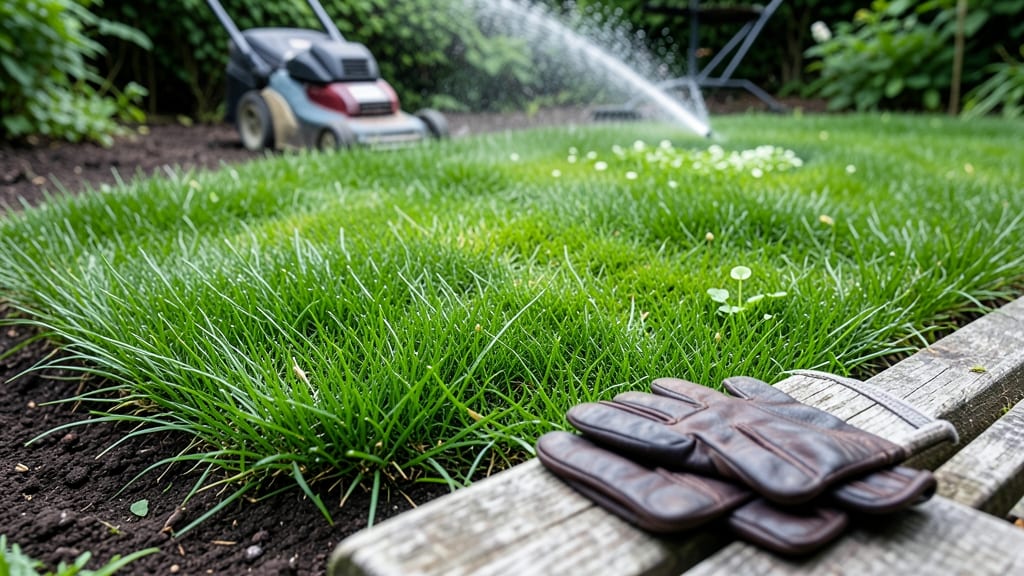
Creating a lovely lawn care isn’t about endless work—it’s about smart habits that keep your grass vibrant with less effort. I’ve spent years perfecting a routine that delivers that envy-inducing green without the burnout, and the secret lies in consistency over intensity.
Start with the basics: mow high (3-4 inches) to shade roots, water deeply 2-3 times a week, and fertilize seasonally. My lawn thrives on this simple rhythm—no scalping, no drowning, just steady care. The payoff? Lush blades that bounce back from foot traffic and stay green even in dry spells.
Seasonal tweaks make all the difference: aerate in spring, overseed in fall, and adjust watering as temperatures shift. You’ll notice the difference in just a few weeks—thicker grass, fewer weeds, and that "just-mowed" satisfaction without the backache.
This approach works for any yard size, from small suburban plots to larger spaces. The key is patience—true perfection comes from small, steady improvements. Let’s get your lawn looking its best with minimal fuss.
📚 In This Guide
- What you need
- Instructions
- Tips and common mistakes
- Wrapping up and next steps
What you need
- ● Lawn mower: A sharp, well-maintained push mower (for small yards) or a self-propelled or riding mower (for larger areas). Electric or battery-powered models are eco-friendly and low-maintenance.
- ● String trimmer (weed whacker): A cordless or gas-powered trimmer with a 20-24” cutting width for edges and tight spots.
- ● Lawn rake: A bendable-bristle rake (for dethatching) and a bow rake (for clearing debris).
- ● Garden hose: A 50-100 ft. long, adjustable-nozzle hose with a showerhead attachment for deep watering.
- ● Watering can: A 5-gallon galvanized can for spot-watering seedlings or delicate plants.
- ● Soil tester kit: A DIY pH test kit (or lab-tested soil analysis) to check nutrient levels.
- ● Fertilizer: Slow-release granular fertilizer (e.g., 16-4-8 or 20-5-10 NPK ratio) for seasonal feeding.
- ● Organic options like composted manure or bone meal for natural enrichment.
- ○ Herbicide (optional): A selective, pre-emergent herbicide (e.g., corn gluten meal) for weed prevention. Spot-treat with vinegar-based solutions for organic control.
- ● Seeds or sod: Grass seed: Choose 1-2 lbs per 100 sq. ft. based on climate (e.g., Kentucky Bluegrass for cool regions, Bermuda for heat).
- ● Sod: 50 sq. ft. rolls for instant coverage (calculate yard size first!).
- ● Topsoil or compost: A 1-2” layer of high-quality topsoil or aged compost for seeding or patching bare spots.
- ● Leaf blower or vacuum: For quick cleanup after mowing or seasonal leaf-fall.
- ● Lawn aerator: A manual or rental spike/slice aerator to improve soil drainage (use 2-3 times/year).
- ● Drip irrigation system: A timed, zone-specific system to automate watering (great for busy schedules!).
- ● Knee pads or gloves: Garden gloves for protection and knee pads for comfort during long sessions.
- ● Soil conditioners: Gypsum (for clay soil) or perlite (for sandy soil) to improve texture.
- ● Lawn thermometer: To monitor soil temp for optimal seeding (60-75°F is ideal).
Step-by-Step instructions for year-round lawn perfection
Here's my no-fuss approach to lush, vibrant grass that stays healthy with minimal daily work.
🌱 Step 1: Soil Preparation for Optimal Growth
Begin by testing your soil's pH and nutrient levels—ideal lawn grass thrives in 6.0-7.0 pH with balanced nitrogen, phosphorus, and potassium. I like to use a soil test kit to identify deficiencies before planting. For most lawns, a 2-3 inch layer of topsoil mixed with compost (about 1/4 inch depth) creates the perfect foundation. Spread the compost evenly and till it into the top 4-6 inches of soil to improve drainage and aeration.
Don't rush this step—proper soil prep prevents future struggles with patchy growth or weeds. If your soil is particularly compacted, consider renting a core aerator to create 1/2-inch holes every 3 inches for better root penetration. Water the area thoroughly after tilling to help the soil settle and prepare for seeding.
☀️ Step 2: Select and Plant the Right Grass Type
Choose a grass variety suited to your climate and sunlight conditions—cool-season grasses like Kentucky bluegrass or fescue work well in northern regions, while Bermuda or Zoysia thrive in southern heat. For a 4,000 square foot lawn, plan to sow 10-12 pounds of seed evenly across the area using a broadcast spreader set to the recommended rate for your grass type.
Spread the seed in two perpendicular directions to ensure even coverage. Lightly rake the area to press seeds into the soil without burying them—most seeds need 1/4 inch of soil contact for proper germination. Water immediately after planting to keep the soil consistently moist, but avoid oversaturating, which can wash seeds away.
💧 Step 3: Watering for Strong Germination and Growth
Newly planted grass requires 1/4 to 1/2 inch of water daily for the first 2-3 weeks to encourage strong root development. Use a rain gauge or tuna can to measure water output—most sprinklers deliver too much, leading to runoff and wasted moisture. Water early in the morning to reduce evaporation and fungal risks. Once germination occurs (typically 7-21 days), adjust to 1 inch per week, including rainfall.
Deep, infrequent watering strengthens roots better than shallow, frequent sessions. You'll know your lawn is getting enough water when the soil 1-2 inches down feels damp, but not soggy. Avoid walking on new grass until it reaches 3 inches tall to prevent soil compaction and damage to tender blades.
✂️ Step 4: Mowing and Maintenance for Perfection
Wait until the grass reaches 3-4 inches tall before the first mow—this ensures deep root establishment. Set your mower blade to 3 inches for cool-season grasses or 1-2 inches for warm-season varieties. Never remove more than 1/3 of the blade height in a single mowing to avoid stressing the plant. Mow when the grass is dry to achieve cleaner cuts and reduce disease spread.
Sharpen mower blades regularly—dull blades tear grass, inviting pests and diseases. Collect clippings during the first few mows to prevent thatch buildup, but leave them afterward as they return nutrients to the soil. Adjust mowing frequency based on growth rate: cool-season grasses need mowing every 5-7 days in spring and fall, while warm-season grasses handle 7-10 day intervals in summer.
🌿 Step 5: Seasonal Care for Year-Round Beauty
Fall is the best time to overseed and fertilize—apply a slow-release fertilizer with high nitrogen content (like 30-0-5) in early fall to promote root growth before winter. In spring, switch to a balanced formula (like 10-10-10) to support new top growth. Aerate the lawn in early fall or late spring to relieve compacted soil and improve nutrient absorption.
Address weeds and pests promptly—hand-pull small weeds or spot-treat with a selective herbicide in early spring before they spread. For broadleaf weeds, apply a pre-emergent herbicide in early fall to prevent germination next spring. Regularly check for signs of disease (like brown patches or fungal growth) and treat with fungicide if needed, following label instructions carefully.
Tips & tricks for perfect lawn maintenance
These practical insights will help you achieve that coveted green perfection with less effort and more confidence.
Soil Testing Precision: Don't rely on guesswork when testing your soil's pH and nutrients. I recommend using a digital soil test kit that provides precise readings for nitrogen, phosphorus, and potassium levels. The 6.0-7.0 pH range mentioned in Step 1 is ideal, but small deviations can significantly impact grass health. For example, a pH of 5.5 might require lime application before planting, while 7.5 could benefit from sulfur. Test in multiple spots across your lawn, especially if you notice uneven growth patterns.
Grass Seed Application Technique: When sowing your 10-12 pounds of seed for a 4,000 square foot lawn, use the "crosshatch method" described in Step 2 but add this pro tip: spread half the seed in one direction, then lightly rake to cover, and apply the remaining half perpendicularly. This ensures you're not doubling up seed in any one area. For larger lawns, consider a slit seeder attachment on your lawn mower for more even distribution. Water immediately after planting to activate the seed, but avoid heavy watering that could wash seeds away.
Watering Consistency: The 1/4 to 1/2 inch daily watering requirement in the first 2-3 weeks is critical, but timing matters just as much. Install a rain gauge or use the tuna can method to verify your sprinkler output—most systems deliver 1/2 inch in 20-30 minutes. For deep watering, run your sprinklers for 15-20 minutes three times per week rather than shorter, more frequent sessions. This encourages deeper root growth, making your lawn more drought-resistant. Early morning watering (between 4-8 AM) minimizes evaporation and fungal risks.
Mowing Height Strategy: The 3-inch blade height recommendation for cool-season grasses in Step 4 is perfect for most climates, but here's how to maximize it: adjust your mower height 1/4 inch higher during heatwaves to reduce stress on the grass. For warm-season grasses, maintain the 1-2 inch height but never cut more than 1/3 of the blade height in a single mowing. This rule prevents shock to the plant and maintains thatch balance. I also recommend mowing when grass is dry but cool—early morning or late afternoon—to achieve cleaner cuts and reduce disease spread.
Pro Tips for Lovely Lawn Care
- These practical insights will help you achieve that coveted green perfection with less effort and more confidence.
- Soil Testing Precision: Don't rely on guesswork when testing your soil's pH and nutrients. I recommend using a digita...
- Grass Seed Application Technique: When sowing your 10-12 pounds of seed for a 4,000 square foot lawn, use the "crossh...
Frequently asked questions
Got questions about keeping your lawn lush and low-maintenance? You’re not alone! Here are some of the most common concerns—and their simple solutions—to help you achieve that lovely lawn without the stress.
How often should I water my lawn for the best results?
Water deeply 2–3 times per week (early morning is best) to encourage deep root growth. Aim for 1–1.5 inches of water per session—think of it like a slow, steady rain. Avoid daily light watering, which promotes shallow roots and weeds. Pro tip: Use a rain gauge or tuna can to measure!
When is the ideal time to fertilize my lawn?
For most grasses, spring and fall are the sweet spots—spring kickstarts growth, while fall strengthens roots for winter. Avoid fertilizing in extreme heat or drought. If using slow-release granules, follow package timing (usually every 8–12 weeks). Bonus: Test your soil first to avoid overdoing it!
What’s the easiest way to deal with weeds without harsh chemicals?
Start with preventive care: Mow high (3–4 inches), water consistently, and overseed bare spots. For stubborn weeds, try a vinegar-based spray (5% acetic acid) or hand-pull them on a damp day. Warning: Avoid vinegar on desirable plants—it’s non-selective!
How do I fix a lawn that’s turning brown or patchy?
Brown patches often mean overwatering, underwatering, or compacted soil. Check for grubs (dig up a small patch—if you see white worms, treat with milky spore or nematodes). Aerate compacted areas in spring/fall, and overseed thin spots with the same grass type. Quick fix: Lightly rake and top-dress with compost!
Is synthetic turf a good alternative to a real lawn?
It depends! Synthetic turf is low-maintenance and pet-friendly, but it can overheat in summer, lacks natural beauty, and may require occasional cleaning. For a lively lawn, consider drought-tolerant grasses like Buffalo grass or clover mixes—they’re eco-friendly and still gorgeous!
Wrapping up and next steps
A lush, lovely lawn isn’t just a dream—it’s a rewarding reality with the right care! By choosing the perfect grass type, mastering seasonal maintenance, and embracing smart tools, you’ve got everything you need to enjoy year-round green perfection—without the endless hassle. 🌿✨
Now’s the time to roll up your sleeves (or just grab that hose!) and put your plan into action. Start small—whether it’s a single patch of overseeding or a full weekend deep-cleaning session—and watch your lawn transform into the envy of the neighborhood! You’ve got this!
- Next step: Pick one task from this guide and tackle it this weekend!
- Pro tip: Snap before-and-after photos to track your progress—it’s super motivating!