
Lawn
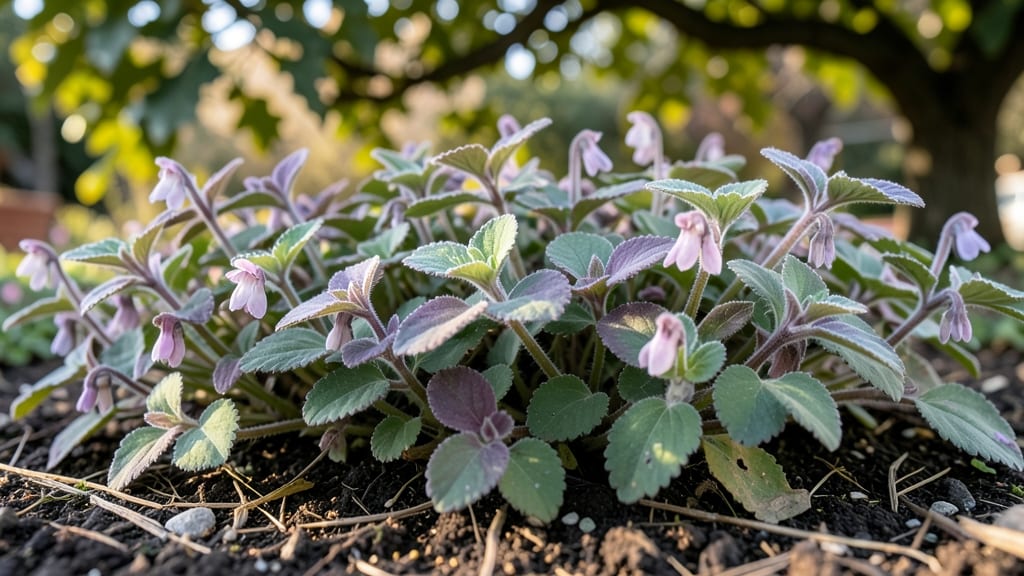
That lawn weed with purple leaves creeping into your grass isn’t just an eyesore—it’s stealing nutrients from your lawn and spreading fast. 🌱 I’ve wrestled with purple deadnettle, clover, and henbit, and I’ll show you how to spot them before they take over.
The key? Acting early with the right tools.
Most purple-leaved weeds thrive in thin grass or compacted soil, so they’re often a sign your lawn needs better care. Chickweed has smooth stems and tiny white flowers, while purple deadnettle has jagged edges and a slightly fuzzy texture.
Clover, though usually green, can turn purple in stress. Pulling them by hand works for small patches, but larger infestations need a targeted approach.
You’ll eliminate them for good with a mix of manual removal, vinegar spray (for organic control), or corn gluten meal (to prevent regrowth). The goal is a lawn so dense that weeds can’t get a foothold.
Once you see those first purple leaves, act within 24 hours—that’s when they’re easiest to remove.
For stubborn cases, a lawn aeration session in fall or spring can help, but if the weeds keep coming back, it might be time to test your soil. A simple pH test reveals if your grass isn’t getting the nutrients it needs—and that’s the real fix for a weed-free lawn.
Root Causes Of Purple-Leaved Weeds
If your lawn is suddenly dotted with weeds sporting striking purple leaves, don’t assume it’s just a quirky aesthetic—there’s usually a scientific reason behind it. These vibrant hues often signal stress, nutrient imbalances, or environmental shifts.
Understanding the root causes helps you address the problem before it takes over. Below, we break down the most common triggers, complete with actionable insights to restore your lawn’s health.
Purple leaves in weeds (and even grass) are often a cry for help—specifically, a sign of phosphorus or nitrogen stress. Here’s why:
- Phosphorus Deficiency: Purple or reddish-purple leaves typically indicate a lack of phosphorus, a key nutrient for root and flower development. Weeds like henbit or chickweed may turn purple when phosphorus is scarce, as the plant redirects energy to survive rather than grow.
- Nitrogen Imbalance: Too little nitrogen causes weak, pale growth, but excess nitrogen can also trigger purple tinges in some weeds (like dandelions) by altering chlorophyll production. Over-fertilization with high-nitrogen lawn foods can backfire, creating conditions where weeds thrive with unnatural coloration.
- Potassium Shortages: Purple edges on leaves (especially older ones) may signal potassium deficiency, which weakens cell structure. Weeds like creeping charlie often exhibit this when soil potassium levels drop.
💡 Pro Tip: Test your soil’s pH and nutrient levels with a DIY kit or send a sample to a local extension office. Most purple-leaved weeds respond well to a balanced 10-10-10 fertilizer (equal parts nitrogen, phosphorus, potassium) or a phosphorus-rich supplement like bone meal.
Extreme or sudden changes in temperature, water, or sunlight can turn weeds’ leaves purple as a survival mechanism. Here’s how:
- Cold Stress: Many weeds, including purple deadnettle, develop deep purple hues in early spring or late fall when temperatures dip below 50°F (10°C). This is a form of anthocyanin production, a natural antioxidant that protects cells from frost damage.
- Drought or Overwatering: Purple leaves can signal water stress. Drought forces weeds like clover to produce anthocyanins to conserve moisture, while overwatering (leading to root rot) can cause a similar reaction in weeds such as ground ivy.
- Sunlight Exposure: Weeds in full sun may develop purple tones if they’re not adapted to intense light. Shade-tolerant species like henbit often turn purple when suddenly exposed to harsh afternoon rays.
🌡️ Quick Fix: Adjust your watering schedule to 1–1.5 inches per week (deep and infrequent) and mulch around weed-prone areas to stabilize soil moisture. If cold stress is the issue, wait until temperatures consistently stay above 55°F (13°C) before treating.
Soil pH plays a huge role in nutrient availability—and weeds “read” these signals too. Purple leaves often appear when:
- Soil is Too Acidic (Low pH): Most weeds prefer a slightly acidic to neutral pH (6.0–7.0). If your soil drops below 5.5, weeds like oxalis may produce purple pigments as a defense mechanism, while others (like creeping bentgrass) struggle to absorb nutrients, leading to discoloration.
- Soil is Too Alkaline (High pH): In alkaline conditions (above 7.5), weeds like dandelions may turn purple due to iron and manganese deficiencies. These micronutrients become locked in the soil, preventing proper chlorophyll synthesis.
📊 Action Plan:
Current pH
Solution
< 5.5 (Too Acidic)
Apply lime (calcium carbonate) to raise pH gradually.
> 7.5 (Too Alkaline)
Add sulfur or peat moss to lower pH over time.
Test pH every 3–6 months until balanced. Purple-leaved weeds often fade once soil conditions stabilize.
Not all purple leaves are due to environmental factors—sometimes, pathogens or pests are to blame. Here’s how to spot the difference:
- Fungal Infections: Weeds like purple loosestrife may develop purple spots or streaks if infected by rust fungi or powdery mildew. These diseases thrive in humid, shaded conditions and disrupt pigment production.
- Insect Damage: Sap-sucking pests (e.g., aphids or spider mites) can cause purple mottling by injecting toxins into plant tissues. Check the undersides of leaves for tiny bugs or sticky residue.
- Herbicide Burn: If you’ve recently applied post-emergent herbicides, purple leaves may indicate chemical stress. Weeds like crabgrass often react this way when treated with 2,4-D or glyphosate.
🔥 Emergency Response:
- For fungal issues, apply a copper-based fungicide or neem oil.
- For pests, blast weeds with a hose to dislodge insects, then treat with insecticidal soap.
- If herbicide burn is suspected, flush the area with water and avoid further treatments until new growth appears.
Purple-leaved weeds are rarely just a cosmetic nuisance—they’re symptoms of deeper issues in your lawn’s ecosystem. By pinpointing the cause (nutrient imbalance, stress, pH, or pests), you can target the real problem and restore a lush, green lawn—without the unwanted guests.
Practical ways to remove purple-leaved weeds
Now that you’ve identified the culprit behind those unsightly purple-leaved weeds, it’s time to take action! The good news? With the right approach, you can eliminate them effectively—without harming your lawn or the environment.
Below, we’ve mapped out targeted solutions based on the most common causes (nutrient competition, soil imbalances, or aggressive growth) and included prevention tips to keep your lawn lush and weed-free.
---
If the purple-leaved weed is still localized (like henbit or chickweed), pulling it by hand is the fastest and most eco-friendly method.
- 🍳 When to do it: Early morning or after rain (soil is soft and weeds pull out easily). - 👨🍳 How to do it: - Use a weed puller or your hands to grasp the weed at the base. - Twist gently to loosen roots—don’t just yank, or fragments may regrow. - Check for roots: Even small pieces can sprout, so inspect the soil. - ⏰ Frequency: Repeat weekly until no new growth appears.
✨ Pro Tip: Wear gloves—some weeds (like purple deadnettle) can cause skin irritation!
---
Purple-leaved weeds often thrive because your lawn lacks nitrogen or phosphorus, giving them an edge. Rebalance your soil to crowd them out.
| Cause | Solution | Prevention Tip | |--------------------------|------------------------------------------------------------------------------|------------------------------------------------------------------------------------| | Low Nitrogen | Apply a slow-release nitrogen fertilizer (like 24-0-4) in early spring. | 💡 Test soil every 2 years to monitor nutrient levels. | | Compacted Soil | Aerate in fall to improve root penetration for grass. | 🌡️ Overseed after aerating to thicken grass, blocking weed sunlight. | | High Phosphorus | Use a low-phosphorus fertilizer (look for 0-0-XX or organic options). | 🎯 Avoid over-fertilizing—stick to recommended rates to prevent weed growth. |
🔥 Quick Fix: Spread corn gluten meal (a natural pre-emergent) in late winter—it suppresses weed seeds while feeding grass.
---
If manual methods fail, selective herbicides can help—but choose wisely to avoid damaging your lawn.
- 🔪 Best options for purple-leaved weeds: - 2,4-D + Dicamba (for broadleaf weeds like henbit or purple deadnettle). - Triclopyr (for tougher invaders like creeping charlie). - 👨🍳 How to apply: - Spot-treat only the weeds (not the whole lawn) to minimize harm. - Water lightly after application to help absorption. - Avoid mowing for 24–48 hours post-treatment. - ⏰ Timing: Apply early spring or fall when weeds are actively growing.
⚠️ Warning: Always read labels—some herbicides can harm desirable plants or pets.
---
The best defense? A healthy, dense lawn that outcompetes weeds.
- 💡 Mow high (3–4 inches) to shade soil and prevent weed seeds from germinating. - 🌡️ Water deeply but infrequently (1–1.5 inches per week) to encourage deep grass roots. - 🎯 Overseed bare spots in fall with a weed-resistant grass mix (like tall fescue or Kentucky bluegrass). - 🍂 Clean up debris regularly—fallen leaves and clippings can harbor weed seeds.
✨ Bonus Tip: Mulch grass clippings—they return nutrients to the soil and suppress weeds naturally!
--- By combining manual removal, soil adjustments, and smart herbicide use, you can banish purple-leaved weeds for good. Start with the method that fits your lawn’s current state, and soon, you’ll have a thick, vibrant carpet—no unsightly invaders in sight!
Frequently asked questions
Why do some weeds turn purple instead of green?
Purple leaves in weeds often signal stress from nutrient deficiencies (like phosphorus or potassium), cold temperatures, or water imbalance. Plants produce anthocyanins—purple pigments—to protect themselves when struggling. For example, henbit turns purple in early spring due to cold stress, while chickweed may react to drought conditions.
Can I use vinegar to kill purple-leaved weeds?
Yes! A homemade vinegar spray (1 gallon vinegar + 1 cup dish soap + 1 cup salt) works well for spot treatment. Apply on a dry, sunny day to avoid damaging nearby plants. Reapply every 3–5 days until weeds die. Just avoid using it near desirable plants, as vinegar is non-selective and can harm grass too.
Is purple deadnettle poisonous to pets or kids?
Purple deadnettle isn’t highly toxic, but its sap can cause mild skin irritation in sensitive individuals. While not deadly, it’s best to remove it from areas where pets or children play. If ingested in large quantities, it may cause stomach upset—so prompt removal is the safest approach.
How do I tell if purple leaves are weeds or just stressed grass?
Weeds like henbit or chickweed have distinct leaf shapes (e.g., jagged edges, fuzzy texture) and often grow in patches, while stressed grass shows purple along the entire blade. Pull a sample: if it’s a broadleaf with a taproot, it’s likely a weed. Grass blades will pull out in clumps with fibrous roots.
Will corn gluten meal prevent purple-leaved weeds from returning?
Apply 20 pounds per 1,000 sq ft in late winter before weeds germinate. Corn gluten meal suppresses weeds by inhibiting seed growth while adding nitrogen to your soil. For best results, combine it with overseeding to thicken your lawn and outcompete weeds naturally.