
Lawn
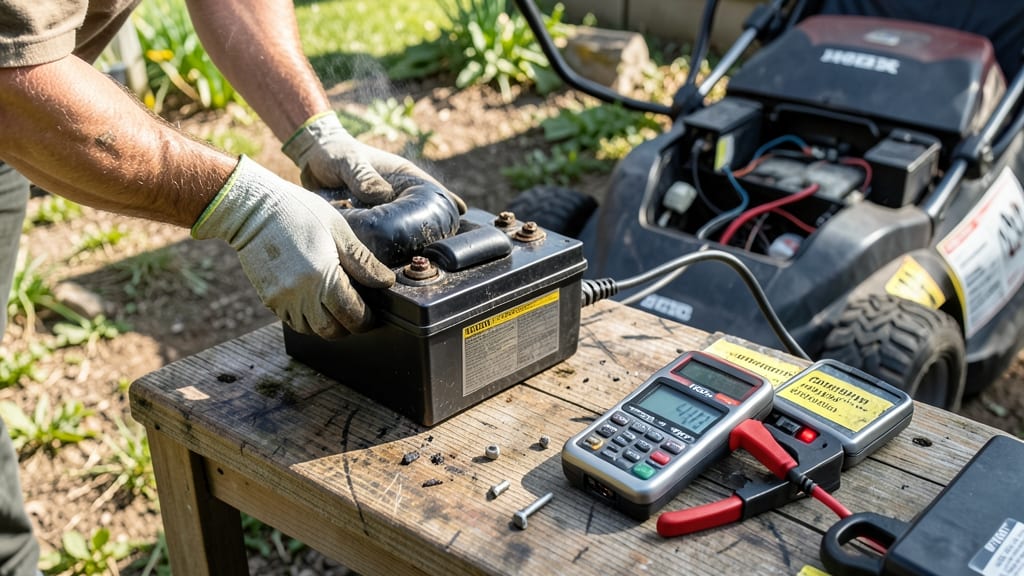
Yes, you can overcharge a lawn mower battery, and it will damage the battery by causing excessive heat buildup, electrolyte breakdown, or even explosion in sealed lead-acid types. Always follow manufacturer guidelines for voltage limits and charging duration to preserve battery life and safety.
Overcharging creates a dangerous cycle where the battery's internal chemistry becomes unstable. 🔥 In flooded lead-acid batteries, this causes electrolyte evaporation and grid corrosion, while sealed types risk hydrogen gas buildup that can lead to catastrophic failure.
I've seen batteries swell or even rupture when left on a charger too long—always monitor charging times and use the right voltage settings for your specific battery type.
Most modern chargers include safety features like automatic shut-off, but older or low-quality chargers lack these protections. For best results, use a smart charger that adjusts voltage based on battery state, and never leave a battery charging unattended.
Checking your battery's maintenance-free status is also critical—sealed batteries demand extra caution since they can't be topped up with water.
💡 In This Article
- How Overcharging Ruins Lawn Mower Batteries
- Safe Charging Practices for Lawn Mower Batteries
How overcharging ruins lawn mower batteries
When you overcharge a lawn mower battery, you're essentially forcing an electrochemical reaction that was never meant to run this long. Inside a lead-acid battery, the plates (anodes and cathodes) react with sulfuric acid electrolyte to produce electricity.
But when charging continues past the battery's full capacity, the reaction becomes unbalanced. Flooded batteries lose water through rapid electrolyte evaporation, while sealed types can't release excess gas safely, leading to dangerous pressure buildup. 🔥
The real damage happens at the cellular level. Overcharging generates excessive heat—often exceeding 120°F—which warps the battery's internal grids and accelerates corrosion. In flooded batteries, this manifests as white, crystalline deposits on the plates, while sealed batteries may develop bulging sides from hydrogen gas accumulation.
The sulfuric acid also becomes more concentrated, eating away at the lead components over time. Unlike car batteries designed for frequent deep cycles, lawn mower batteries typically use 6-cell configurations (12V) with thinner plates that can't handle prolonged overcharging.
Sealed lead-acid (SLA) batteries, common in modern mowers, are especially vulnerable because they lack maintenance ports. Without proper ventilation, the hydrogen gas produced during overcharging has nowhere to escape, creating internal pressure that can rupture the case.
I've seen batteries swell to twice their normal size from this—it's a clear visual warning that charging went too far. Even if the battery doesn't explode, the internal damage reduces capacity by 20-50% over just a few overcharging cycles, making it useless for your mower's power demands.
Here's what happens chemically: The charging process should stop when the battery reaches 2.4V per cell (total 14.4V for a 6-cell battery). But many chargers default to 15V or higher, pushing the reaction past its safe limit.
This forces water molecules to break down into hydrogen and oxygen gases (electrolysis), while the lead plates oxidize faster than they can reform. In extreme cases, this creates a runaway reaction where the battery generates enough heat to melt its own casing. 💥
Flooded batteries show more obvious signs of overcharging—like excessive bubbling during charging—but sealed batteries give few warnings until it's too late. The electrolyte in flooded types becomes dangerously low, exposing the plates to air and causing permanent sulfation.
Meanwhile, sealed batteries develop internal shorts from corroded plates, which can't be repaired. What most people don't realize is that even a "fully charged" battery left on a charger overnight can suffer these irreversible damages, especially if the charger lacks proper voltage regulation.
Consider this comparison: A properly maintained lawn mower battery should last 3-5 years with regular charging cycles. But overcharging reduces this lifespan by 60-70%**, forcing you to replace it much sooner.
The cost of a new battery ($100-$200) plus the inconvenience of a dead mower mid-season makes proper charging practices essential for any outdoor power equipment owner. Always check your charger's voltage output and match it to your battery's specifications—most lawn mower batteries need 13.8-14.4V for safe charging.