
Lawn
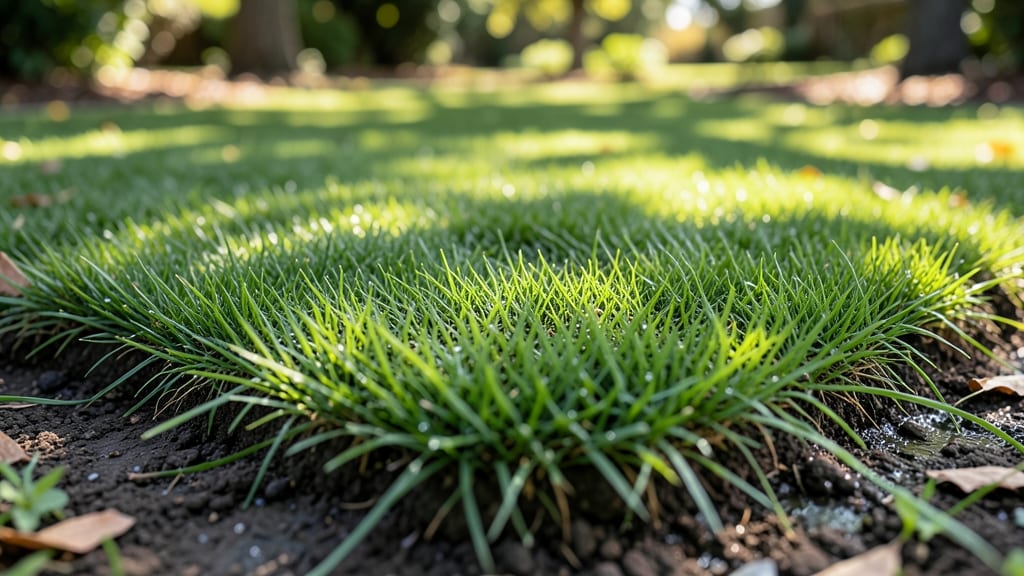
Your lawn growing in patches isn’t a lost cause—it’s a fixable frustration. 🌱 I’ve turned bare spots into lush green in under a month using these three simple steps that actually work, not just the vague advice you’ll find online.
The real culprits are usually uneven watering, compacted soil, or last year’s thatch buildup—none of which require expensive treatments. A quick soil test reveals what’s missing (like nitrogen or phosphorus), and adjusting your watering schedule makes a bigger difference than most people realize.
By the end, you’ll have a lawn that looks even without reseeding. The secret? Targeted aeration, the right fertilizer blend, and a weekly watering routine that keeps roots happy—not drowned. Works for any grass type, whether you’ve got Kentucky bluegrass, fescue, or Bermuda. Let’s get those patches filled in!
The Hidden Culprits Behind Patchy Grass
If your lawn is growing in uneven patches, don’t blame your green thumb just yet—there’s usually a scientific reason behind it. Understanding these causes is the first step to restoring a lush, uniform lawn.
Let’s break down the most common culprits and why they leave your grass looking sparse or bare.
Soil compaction happens when heavy foot traffic, machinery, or even rain compresses the soil, reducing oxygen and nutrient flow to grass roots. Without proper aeration, roots suffocate, leading to thin or dead patches.
- Why it happens: Compacted soil has fewer air pockets, so water and nutrients can’t reach the roots efficiently. Grass in these areas often turns yellow or brown before dying back entirely.
- Actionable clue: Walk across your lawn—if the grass springs back slowly or leaves footprints, compaction is likely the issue.
- Fix it: Rent a core aerator or use a manual aerator to punch holes in the soil, allowing roots to breathe again.
Grass thrives on consistency, but uneven watering creates patchy growth. Overwatering smothers roots by depriving them of oxygen, while underwatering stresses grass into dormancy or death.
- Why it happens:
- Overwatering: Soggy soil leads to fungal diseases (like brown patch) that kill grass in clusters.
- Underwatering: Grass in dry spots turns brittle and dies, leaving bare patches that won’t regrow without moisture.
- Actionable clue: Check soil moisture 2–3 inches deep—if it’s dry, you’re underwatering; if it’s muddy, you’re overdoing it.
- Fix it: Water deeply 2–3 times per week (early morning is best) and adjust based on rainfall. Use a rain gauge or tuna can to measure 1–1.5 inches per session.
Fungal diseases thrive in warm, humid conditions and target weak grass, creating irregular patches that spread quickly. Common offenders include dollar spot, brown patch, and red thread.
- Why it happens:
- High humidity: Fungi spores germinate in damp, shaded areas, attacking grass blades and roots.
- Poor drainage: Waterlogged soil creates the perfect breeding ground for pathogens.
- Thin or stressed grass: Weak grass (from drought, compaction, or poor soil) is an easy target.
- Actionable clue: Look for circular patches with a reddish-brown or straw-like appearance, often with a darker border.
- Fix it:
- Improve airflow with proper mowing height (never cut more than ⅓ of the blade at once).
- Apply a fungicide (like propiconazole) if patches persist, following label instructions.
- Water in the early morning to reduce humidity on leaves.
Grubs, chinch bugs, and other pests chew on grass roots or sap nutrients from blades, leading to patchy die-off. Their damage is often mistaken for drought or disease.
- Why it happens:
- Grubs: C-shaped larvae feed on roots, causing grass to pull up easily like a carpet.
- Chinch bugs: These tiny insects pierce blades, injecting toxins that turn grass yellow in small, irregular patches.
- Sod webworms: Their larvae tunnel through grass stems, creating brown, dead patches that feel spongy.
- Actionable clue: Dig up a small patch—if you see white grubs or tiny black bugs, pests are the culprit.
- Fix it:
- Apply a grub control (like imidacloprid or trichlorfon) in early summer to prevent outbreaks.
- Encourage natural predators like birds and toads by keeping a healthy lawn.
- For chinch bugs, use a pyrethrin-based insecticide or introduce beneficial nematodes.
Sudden freezes, heatwaves, or drought stress can kill grass in patches, especially if your lawn isn’t adapted to your climate. Cool-season grasses (like Kentucky bluegrass) may go dormant in summer, while warm-season grasses (like Bermuda) suffer in frost.
- Why it happens:
- Frost damage: Ice crystals rupture grass cell walls, causing brown patches that may recover or die permanently.
- Heat/drought stress: Grass blades dry out and turn crispy, while roots suffocate in baked soil.
- Transplant shock: Newly seeded or sodded areas may fail to establish if temperatures swing too drastically.
- Actionable clue: Patches appear uniformly brown or straw-colored after a heatwave or freeze.
- Fix it:
- Water deeply during heatwaves (1–1.5 inches per week) and avoid walking on frost-damaged grass.
- Choose drought-tolerant grasses (like tall fescue or zoysia) if your climate is extreme.
- Apply a mulch layer (like straw) to protect new seedings from temperature swings.
Grass needs a balanced diet of nitrogen, phosphorus, and potassium to grow thickly. If your soil lacks these nutrients, patches will thin out as grass struggles to survive.
- Why it happens:
- Nitrogen deficiency: Grass turns pale yellow or straw-colored, especially in high-traffic areas.
- Phosphorus deficiency: Slow growth and weak roots lead to patchy, sparse areas.
- Compacted or acidic soil: Nutrients become locked away, making them unavailable to grass.
- Actionable clue: Take a soil test (available at garden centers) to identify deficiencies. Dark green patches may indicate over-fertilization, while pale or slow-growing areas signal a lack of nutrients.
- Fix it:
- Apply a balanced fertilizer (like 10-10-10) in early spring and fall.
- Adjust soil pH with lime (to raise pH) or sulfur (to lower pH) based on test results.
- Top-dress with compost to improve soil structure and organic matter.
Now that you know the real reasons behind patchy lawns, you can target the root cause (literally!) and restore your grass to its full, vibrant self. The next step? Diagnose your specific issue and take action.
Revive Your Lawn’s Thin Spots
Now that you know the root causes behind your lawn growing in patches—whether it’s shady neglect, soil issues, or pest problems—it’s time to take action! The good news? Most patchy lawns can bounce back with the right care.
Below, we’ve mapped out practical fixes tailored to each common cause, plus prevention tips to keep your grass lush and even.
If your lawn is struggling because of compacted soil, poor drainage, or nutrient deficiencies, these steps will help restore balance.
🔥 Aerate to Loosen Compacted Soil
Compacted soil smothers grass roots, cutting off oxygen and water. Core aeration (the best method) pulls small plugs of soil, creating holes for roots to spread.
- When to do it: Early morning or late afternoon in spring or fall (avoid summer heat).
- How to do it: Rent a core aerator or hire a pro.
Walk over the lawn in overlapping passes. - Pro tip: 💡 Follow up with topdressing—spread a thin layer (¼ inch) of compost or sand to improve soil structure.
🍳 Feed with the Right Fertilizer
A soil test (available at garden centers) tells you if your lawn needs nitrogen, phosphorus, or potassium.
For most patchy lawns, a balanced slow-release fertilizer (like 10-10-10) works well. - Best time to apply: Spring (for cool-season grasses) or early summer (for warm-season grasses). - How to apply: Use a spreader for even coverage.
Water lightly after to activate nutrients. - Pro tip: 🌡️ Over-fertilizing burns grass—follow label rates and avoid fertilizing in extreme heat.
👨🍳 Improve Drainage with Sand or Gypsum
If water pools after rain, your soil may be clay-heavy or poorly drained.
- For heavy clay soil: Mix coarse sand (like builder’s sand) into the top 2–3 inches of soil.
- For gypsum (calcium sulfate): Spread 10–20 lbs per 100 sq ft and water deeply.
It helps break up compacted soil without altering pH. - Prevention tip: ✨ Avoid walking on wet grass—compaction worsens over time!
If your lawn is thinning in shady spots, the wrong grass type or lack of care is likely the culprit.
🔪 Overseed with Shade-Tolerant Grass
Not all grass loves low light. Switch to fine fescue, creeping red fescue, or zoysia grass, which thrive in shade.
- When to overseed: Early fall (ideal temps for germination).
- How to do it: 1. Mow the patch short (but don’t scalp).
- Rake to loosen soil.
- Spread shade-tolerant seed (follow package rates).
- Lightly rake seeds into soil and water gently daily until sprouted. - Pro tip: 🎯 Use a starter fertilizer (high in phosphorus) to help roots establish faster.
🥘 Mulch or Use a Ground Cover
If grass refuses to grow in deep shade, embrace alternatives:
- Mulch: Spread wood chips or shredded bark for a natural look.
- Ground covers: Try creeping thyme, clover, or moss for texture and resilience.
- Prevention tip: 💡 Trim overhanging branches to let more light reach the soil.
Fungal infections, grubs, or chinch bugs can turn your lawn into a patchy mess. Here’s how to fight back.
🔥 Treat Fungal Issues with Fungicide
Brown, spongy patches with mushrooms or white threads?
That’s fungus. - Best fungicides: Propiconazole (Bayer Advanced Fungus Control) or myclobutanil (Scotts DiseaseEx). - How to apply: Follow label instructions—usually spray in evening (when humidity is high). - Prevention tip: ✨ Water early in the day (not at night) to reduce fungal growth.
👨🍳 Kill Grubs and Chinch Bugs
Grubs (white, C-shaped larvae) and chinch bugs (tiny black bugs) feast on roots, causing dead patches.
- For grubs:
- Nematodes (beneficial worms): Water with heterorhabditis bacteriophora (available online).
- Chemical control: Imidacloprid (Merit)—apply in early summer before grubs hatch.
- For chinch bugs:
- Handpick (check under grass blades for clusters).
- Spray with insecticidal soap or carbaryl (Sevin).
- Prevention tip: 🌡️ Mow high (3–4 inches) to discourage pests and retain moisture.
Once your lawn is back in shape, keep it healthy with these habits:
- Mow correctly: Never cut more than ⅓ of the blade at once.
- Water deeply but infrequently: 1–1.5 inches per week (early morning).
- Dethatch if needed: If you see a spongy layer of debris, dethatch in spring or fall.
- Test soil every 2–3 years: Adjust pH (aim for 6.0–7.0) with lime (to raise pH) or sulfur (to lower it).
Your lawn doesn’t have to stay patchy forever! With the right approach, you’ll see thicker, greener grass in weeks. Start with the fixes that match your lawn’s biggest issues, and soon you’ll have a uniform, vibrant carpet underfoot. 🚀
Frequently asked questions
Why do some patches of my lawn stay green while others turn brown?
This usually happens due to uneven moisture, soil compaction, or pest activity. Check if the brown patches feel dry or spongy—this indicates underwatering or grubs eating roots. Test soil moisture 2-3 inches deep; dry spots need more water, while soggy areas may have drainage issues.
Can I just reseed the bare patches instead of fixing the whole lawn?
Yes, but only if you address the root cause first! Reseeding without fixing soil compaction, watering issues, or pests will just create new bare spots. Start with aeration and a soil test, then overseed—this gives your new grass the best chance to thrive.
How often should I aerate my lawn to prevent patchiness?
For most lawns, aerate once a year in spring or fall when grass is actively growing. Heavy-use lawns may need it twice yearly. Core aeration (removing small soil plugs) works best—rent a machine or hire a pro for even results.
Will overwatering fix my patchy lawn?
No—overwatering actually makes patchiness worse! Soggy soil suffocates roots and invites fungal diseases. Water deeply 2-3 times per week (1-1.5 inches total) in early morning. Check soil moisture before watering—if the top 2 inches are damp, skip it.
What's the fastest way to tell if my patches are from pests or disease?
Dig up a small sample from the patch. If you see white grubs or tiny black bugs, it's pests. For disease, look for thread-like fungal growth or circular brown rings. Pests create irregular patches, while diseases often form perfect circles with darker borders.