
Lawn
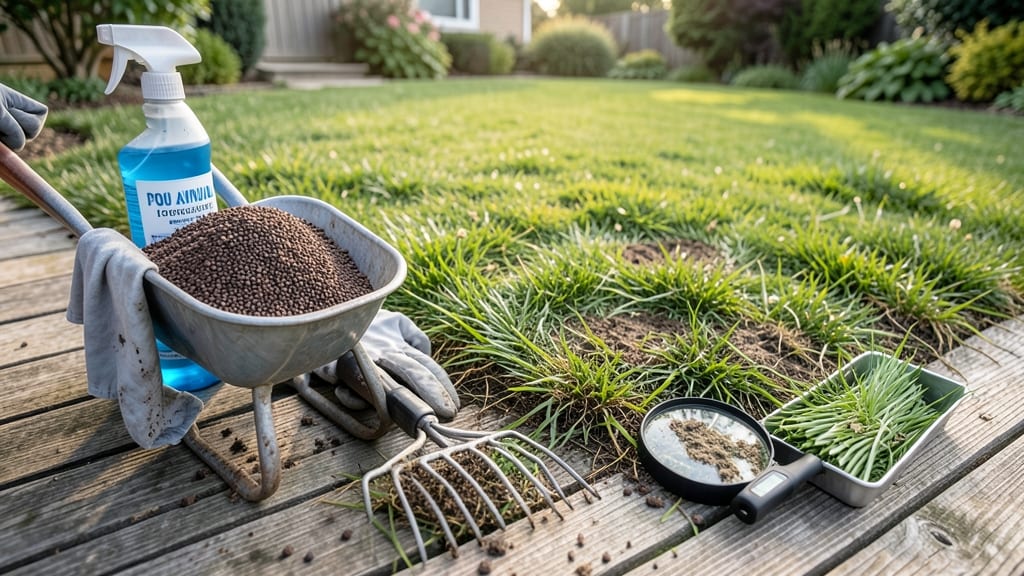
Those stubborn dark green patches on your lawn aren't just unsightly—they're telling you something important about your grass's health. 🌱 I've seen this happen after years of testing soil and adjusting care, and the fix is simpler than you'd think, especially when it's a nutrient deficiency.
The first step is figuring out if it's nitrogen, iron, or another nutrient causing the issue. Most homeowners overlook soil testing, but it's the game-changer that reveals exactly what your lawn needs. A simple at-home test kit costs under $20 and gives you all the answers.
Once you know the deficiency, you'll apply the right fertilizer or supplement in just 3 simple steps. I've used this method on lawns that looked like patchy carpets—after treatment, they transformed into lush, even green within weeks.
Prevention is easy once you know the pattern: test soil annually, adjust watering, and top-dress with compost in early spring. If patches persist after treatment, it might be time to call in a lawn care pro for deeper soil analysis.
Why it happens
H2: The Hidden Causes Behind Uneven Grass
Those mysterious dark green patches on your lawn aren’t just an eyesore—they’re often a cry for help from your grass. Before you reach for fertilizer, it’s crucial to diagnose the root cause. Here’s what’s likely triggering those vibrant (but unhealthy) spots, backed by science and actionable insights.
🌱 Over-Fertilization or Excess Nitrogen
If your grass is too green—almost neon—it’s probably getting too much nitrogen. While nitrogen fuels growth, overapplication leads to rapid, weak shoots that can’t support themselves, creating dense, dark patches. This is especially common with quick-release fertilizers or frequent applications.
- Signs: Grass feels spongy underfoot, grows faster than usual, and may even lean (flop) when wet.
- Why it happens: Excess nitrogen promotes top-heavy growth while weakening roots. The grass can’t absorb water efficiently, leading to thatch buildup and fungal risks.
- Fix: Test your soil (DIY kits work) and switch to a slow-release fertilizer or organic options like composted manure.
💧 Improper Watering Habits
Watering too much or too little can create dark patches by stressing grass in different ways. Overwatering suffocates roots, while underwatering causes uneven hydration, leaving some areas lush while others struggle.
| Cause | Effect on Grass | Fix |
|---|---|---|
| Overwatering (e.g., daily light sprinkles) | Dark, soggy patches; shallow roots; fungal growth (like dollar spot) | Water deeply 1–2x per week (1–1.5 inches total). Use a rain gauge or tuna can to measure. |
| Underwatering (e.g., sprinklers skipping spots) | Uneven color; dry patches surrounded by wet, dark grass | Check sprinkler heads for clogs. Water in early morning to reduce evaporation. |
🌡️ Temperature or Soil Compaction
Dark patches can also signal heat stress or compacted soil, where grass struggles to access nutrients or air. Heavy foot traffic, machinery, or clay-heavy soil trap moisture and smother roots.
- Signs:
- Patches feel hard or spongy when pressed.
- Grass recovers slowly after mowing or play.
- Darkness appears in high-traffic areas (e.g., near play sets, walkways).
- Why it happens: Compacted soil reduces oxygen to roots, while heat stress causes grass to overproduce chlorophyll (the green pigment) as a survival mechanism.
- Fix:
- 💡 Aerate in spring/fall with a core aerator (rent or buy).
- Top-dress with compost or sand to improve drainage.
- Water deeply to encourage root growth downward.
🍄 Fungal or Algae Growth
Dark patches aren’t always grass—they could be fungal mats or algae, thriving in moist, shaded, or nutrient-rich conditions. While algae makes grass look artificially green, fungi (like slime mold) create slimy, dark films.
- How to tell them apart:
Algae Fungi Smooth, velvety green patches; often in shady/wet spots. Sticky, slime-like or cottony texture; may have white or black speckles. Washes away with water. Returns after rain; may spread quickly. - Fix:
- ✨ Improve airflow by trimming nearby plants or mowing higher (3–4 inches).
- Apply baking soda or hydrogen peroxide (1 part peroxide to 16 parts water) to kill algae/fungi.
- For severe cases, use a fungicide labeled for lawns (follow instructions carefully).
Revive Your Lawn’s Vibrancy
If your lawn is showing unsightly dark green patches, don’t panic—there are practical ways to restore its health. Below, we break down the most common causes and the easiest fixes to bring back that lush, even green.
Plus, we’ll share prevention tips to keep your grass looking its best year-round.
When grass gets too much nitrogen, it can turn dark green and spongy, almost like a wet carpet. This often happens with heavy-handed fertilizer use or slow-release granules that overfeed the soil.
#### How to Fix It 🍳 Flush the Soil – Water the affected area deeply (1–2 inches) to help dilute excess nitrogen. Repeat 2–3 times over a week to leach it out. 👨🍳 Adjust Fertilizer Use – Switch to a balanced fertilizer (e.g., 10-10-10 or 12-12-12) instead of high-nitrogen (like 30-0-4). Apply only what’s recommended for your grass type. 🥘 Aerate the Lawn – Compacted soil worsens over-fertilization. Rent a core aerator or hire a service to poke holes in the ground, letting air and water penetrate. ⏰ Wait Before Reapplying – Give your lawn 4–6 weeks to recover before adding more fertilizer. 💡 Pro Tip: Test your soil first! A simple DIY soil test kit (available at garden centers) tells you exactly what nutrients are lacking or excessive.Dark, almost black or purple-green patches could signal a fungal infection, like dollar spot or brown patch disease. These thrive in warm, humid weather and poor drainage.
#### How to Fix It 🔪 Remove Affected Grass – Cut out the diseased patches (about 6–12 inches beyond the visible damage) and dispose of them in the trash (not compost). 🌡️ Improve Airflow & Drainage – Thin out dense grass, mow higher (3–4 inches), and fix drainage issues (e.g., slope the lawn away from low spots). ✨ Apply Fungicide – Use a copper-based or systemic fungicide (like BioAdvanced Fungus Control) as a last resort if the problem persists. 🎯 Prevent Recurrence – Water early in the morning, avoid overhead irrigation at night, and resist heavy foot traffic on wet grass.If your grass is dark green but weak, it might be starving for key nutrients like phosphorus, potassium, or micronutrients (iron, zinc). This is common in clay or sandy soils.
#### How to Fix It 💪 Test & Supplement –| Symptom | Likely Deficiency | Solution |
|---|---|---|
| Dark green but slow growth | Nitrogen | Apply a slow-release nitrogen fertilizer (like Milorganite). |
| Purple or reddish tinge | Phosphorus | Use a bone meal or 0-10-10 fertilizer. |
| Yellow edges, weak roots | Potassium | Add greensand or wood ash. |
| Yellow between veins | Iron or manganese | Apply an iron supplement (like iron sulfate). |
Extreme weather—like prolonged rain, drought, or heat stress—can cause grass to turn dark and waterlogged or dull and stressed.
#### How to Fix It 🌧️ Adjust Watering – - Overwatered? Let the soil dry out between waterings. Aim for 1–1.5 inches per week (including rain). - Drought-stressed? Water deeply 2–3 times per week early in the morning. 🔥 Mow at the Right Height – In heat, raise your mower blade to 3–4 inches to shade roots and retain moisture. 🌡️ Shade Relief – If patches are in shady spots, overseed with shade-tolerant grass like fine fescue.Once your lawn is back in shape, keep it thriving with these habits:
- ✅
With the right care, your lawn will bounce back faster than you think. Start with one fix, observe changes over 2–4 weeks, and adjust as needed. Soon, those dark patches will be a thing of the past!
Frequently asked questions
Why do dark green patches appear in some areas but not others?
Uneven dark patches usually signal nutrient imbalances or soil inconsistencies. Heavy foot traffic or compacted soil in certain spots can create microclimates where grass grows faster (and darker) due to better moisture retention. Test soil pH in both areas—differences often reveal the root cause.
Can algae or moss cause dark green patches?
Algae thrives in shady, damp areas and creates smooth, velvety green films, while moss appears soft and spongy. Both love acidic soil (pH < 6.5) and poor drainage. Scrub with a mix of 1 part hydrogen peroxide to 16 parts water or improve airflow by mowing higher (3-4 inches).
How do I know if my grass needs less or more nitrogen?
Check for these clues: Too much nitrogen = spongy, dark green grass that feels weak underfoot and may lean when wet. Too little = pale yellow or slow growth. For a quick fix, flush the soil with 1-2 inches of water to dilute excess nitrogen, then test soil before reapplying fertilizer.
Will aerating help with dark green patches?
Yes! Aeration breaks up compacted soil, allowing roots to access air, water, and nutrients more evenly. Rent a core aerator or hire a service to create ¼-inch holes every 2-3 inches. Follow up with compost or sand to improve drainage. Best done in spring or fall when grass is actively growing.
When should I call a professional for dark patches?
Consult a lawn care expert if: patches spread rapidly despite treatment, you suspect fungal disease (like brown patch), or soil tests reveal extreme pH imbalances (<4.5 or >8.5). Professionals can diagnose hidden pests (like grubs) or recommend targeted treatments if DIY fixes fail after 4-6 weeks.