
Lawn
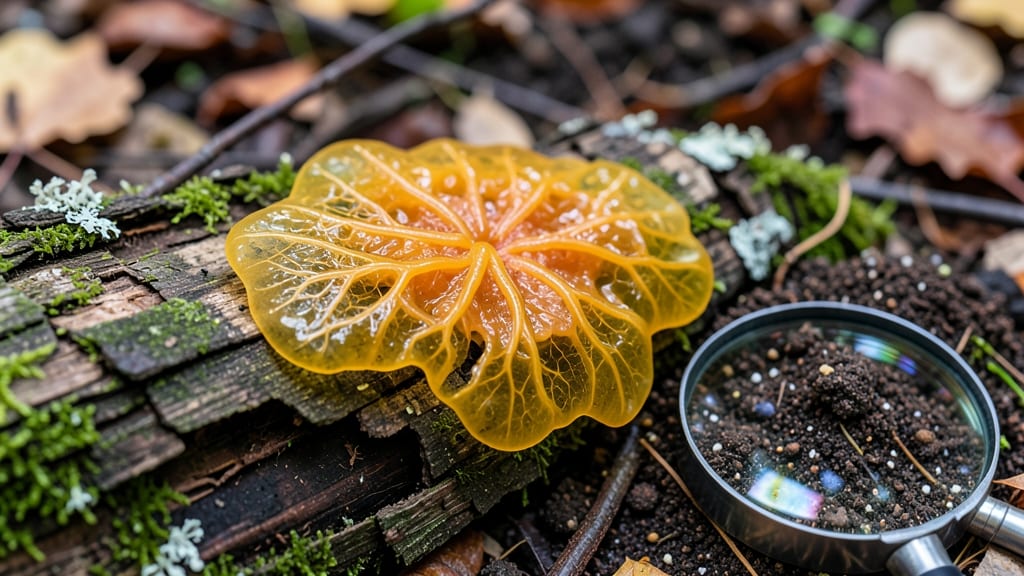
That gelatinous slime creeping across your lawn isn’t just gross—it’s a fast-spreading problem. 🌱 Slime mold lawns don’t just look unkempt; they can smother grass overnight if you don’t act fast. The good news?
Neem oil works where fungicides fail, dissolving those slimy patches in 24 hours without harming your turf. This isn’t just about spraying something random—it’s about understanding why slime mold thrives (too much shade, overwatering, or thick thatch) and how to starve it out.
Most people grab the wrong product, but neem oil’s natural oils disrupt the mold’s life cycle while keeping grass healthy. You’ll see results within a day, not weeks. By the end, your lawn will look fresh again, with no slimy residue or chemical smell.
The key is consistency—treat the spots, fix the drainage, and prevent it from coming back. No more hiding your yard from neighbors or guests. Works for all grass types, from Kentucky bluegrass to fescue, and won’t leave behind harsh chemicals.
Let’s get your lawn back to its best in a single day.
The Hidden Triggers Behind Slime Mold
That slimy, grayish blanket creeping across your lawn isn’t just an eyesore—it’s a sign your grass is sending out an SOS. Slime mold outbreaks thrive when specific conditions align, often tied to moisture, organic buildup, and environmental stress.
Understanding these triggers is the first step to stopping the spread and restoring your lawn’s health. Let’s break down the science behind why this gunky invader shows up uninvited.
Slime mold spores lie dormant in soil until moisture triggers their growth. When your lawn stays damp for prolonged periods—whether from heavy rain, poor drainage, or morning dew—these spores activate and form their signature slimy networks. Here’s why water is the #1 culprit:
- Fungal Feast: Slime mold isn’t a fungus, but it behaves like one, thriving in saturated environments where organic matter (like fallen leaves or thatch) provides food.
- Slow-Drying Grass: Thick turf or compacted soil traps moisture, creating the perfect breeding ground. Even a single night of heavy dew can kickstart an outbreak.
- Seasonal Surges: Spring and fall are peak times because cooler temps + high humidity = ideal slime mold weather. Ever notice it after a week of rain? That’s no coincidence.
Actionable Fix: Improve drainage with sand topdressing or aeration, and water lawns early in the morning to allow grass to dry by evening.
Slime mold feeds on decaying plant matter, so a lawn littered with leaves, clippings, or thatch is like an all-you-can-eat buffet for it. Here’s how organic gunk fuels the problem:
- Nutrient Overload: Decomposing matter releases sugars and starches, which slime mold consumes to grow its slimy “plasmodium” (its vegetative stage). Think of it as a microbial smoothie.
- Thatch Thickets: A thatch layer thicker than ½ inch creates a moisture-retaining mat, trapping spores and blocking sunlight—slime mold’s worst-case scenario.
- Fertilizer Fallout: Excess nitrogen in synthetic fertilizers can accelerate organic decay, indirectly feeding slime mold populations.
Actionable Fix: Rake up debris regularly, dethatch compacted areas, and switch to slow-release organic fertilizers to avoid feeding the problem.
Slime mold is a “cool-season” pest, meaning it loves moderate temps (50–70°F) and low-light conditions. Here’s how your lawn’s environment invites it:
- Shady Spots: Grass under trees or structures grows slower and stays damp longer, creating prime slime mold real estate. The lack of sunlight weakens turf resilience.
- Sudden Temp Drops: Warm days followed by cool, damp nights shock grass, making it more susceptible to outbreaks. It’s like your lawn gets a case of the chills.
- Poor Airflow: Dense turf or mulch piles restrict airflow, trapping humidity and slowing evaporation—slime mold’s dream.
Actionable Fix: Trim overhanging branches to improve sunlight, and avoid watering in the evening to reduce nighttime humidity.
Pro Tip: 💡 If your lawn is prone to slime mold, consider resistant grass varieties like tall fescue or perennial ryegrass, which handle moisture better than Kentucky bluegrass.
How to solve it
H2: Quick Fixes For Unwanted Lawn Growth
Slime mold on your lawn might look like a slimy, alien invasion, but the good news is—it’s usually harmless and easy to eliminate with the right approach.
Whether you’re dealing with Fuligo septica (the classic "dog vomit" slime) or another type, these targeted solutions will restore your grass in no time. Below, we’ve mapped out the most common causes to their best fixes, plus prevention tips to keep your lawn pristine.
---
Slime mold thrives in damp, shaded conditions. If your lawn feels soggy after rain or watering, it’s a prime breeding ground. Here’s how to dry it out:
- 🔥 Raise the mower height: Taller grass allows air to circulate better, reducing moisture retention. Set your mower to 3–4 inches for a few weeks.
- 💦 Reduce watering: Water deeply but infrequently—aim for 1–1.5 inches per week (including rain). Early morning is best to allow grass to dry quickly.
- ⛏️ Improve drainage: If your yard pools water, aerate compacted soil or redirect downspouts away from affected areas.
💡 Pro Tip: Avoid walking on wet grass—compression traps moisture and worsens the problem.
---
Leaves, thatch, and clippings create the perfect hiding spot for slime mold spores. A deep clean is your first line of defense:
- 🍂 Rake aggressively: Remove all debris, including thick thatch layers. Use a metal rake to scrape up stubborn patches.
- 🌱 Dethatch if needed: If your lawn has over ½ inch of thatch, rent a dethatching machine or rent a rake to pull it up manually.
- 🔄 Refresh mulch beds: If slime mold appears near garden edges, replace old mulch with fresh, dry options like cedar chips or pine straw.
✨ Prevention Hack: Mulch with dry materials and keep mulch beds 2–3 inches away from grass to reduce humidity.
---
Slime mold loves shaded, humid spots where sunlight can’t dry things out. Break up the coziness with these tricks:
- 🌳 Trim overhanging branches: Even a few inches of extra light can make a difference. Use pruners to open up the canopy.
- 🪓 Thin dense plantings: If shrubs or bushes are crowding your lawn, prune them to improve airflow.
- 🌱 Choose sun-tolerant grass: If slime mold is recurrent, consider overseeding with drought-resistant varieties like tall fescue or perennial ryegrass.
🎯 Long-Term Fix: Install a small fan (like a solar-powered garden fan) in persistently shady areas to keep humidity in check.
---
For stubborn patches, a little intervention goes a long way. Here’s how to tackle it:
Method
How to Apply
When to Use
Neem Oil Spray (featured in this article!)
Mix 2 tbsp neem oil + 1 tsp mild soap in 1 gallon of water. Spray directly on slime mold (not grass) until damp. Reapply after rain.
Early morning or late evening to avoid burning grass.
Hydrogen Peroxide (3%)
Spray undiluted 3% hydrogen peroxide on affected areas. Let sit for 10 minutes, then rinse with water.
On dry days to prevent diluting the solution.
Baking Soda Solution
Mix 1 tbsp baking soda in 1 gallon of water. Lightly spray the slime mold (avoid oversaturating grass).
For small, isolated patches.
⚠️ Warning: Avoid bleach or harsh chemicals—they can kill beneficial microbes and harm your lawn’s health.
---
Once your lawn is slime-mold-free, keep it that way with these easy habits:
- 🌡️ Monitor humidity: Use a hygrometer to keep indoor/outdoor humidity below 60%. Ventilate garages and sheds to reduce spore spread.
- 🗓️ Schedule regular maintenance: Mow weekly, rake monthly, and aerate annually to prevent thatch buildup.
- 🌱 Test your soil: Slime mold loves acidic soil. Test pH and amend with lime if needed (aim for 6.0–7.0).
- 🚫 Avoid over-fertilizing: Too much nitrogen promotes lush growth, which retains moisture. Use slow-release fertilizers instead.
💪 Bonus: Encourage natural predators like nematodes (beneficial soil organisms) by avoiding pesticides—they help control slime mold spores long-term.
Frequently asked questions
Is slime mold dangerous to my lawn or pets?
Slime mold is completely harmless to your grass, pets, or people—it won’t damage your lawn permanently or harm animals. The slimy patches will disappear once conditions dry out, leaving no lasting damage. However, pets might try to walk through it, so clean up visible patches for their comfort.
Why does slime mold keep coming back after I clean it?
If slime mold reappears, your lawn likely still has the perfect conditions: too much shade, poor drainage, or thick thatch. Focus on improving airflow, reducing moisture retention, and removing organic debris. Neem oil treatments can also disrupt spore cycles when applied consistently.
Can I use vinegar to remove slime mold from my lawn?
While vinegar might seem like a natural solution, it’s too harsh for lawns—it can kill grass and disrupt soil pH. Stick to gentle options like neem oil, hydrogen peroxide (3% concentration), or baking soda solutions that won’t harm your turf while effectively targeting the slime mold.
How long does it take for slime mold to disappear naturally?
Under dry conditions, slime mold typically dries up and vanishes within 24-48 hours on its own. However, if humidity persists, it may linger for days. Speed up the process by raking up patches and improving drainage to help your lawn dry faster.
Will slime mold spread to my garden or houseplants?
Slime mold primarily thrives in outdoor, organic-rich environments like lawns and mulch beds. While spores can travel via wind or tools, they rarely establish in indoor plants. To prevent spread, disinfect gardening tools after use and avoid moving contaminated mulch or soil indoors.