
Pests
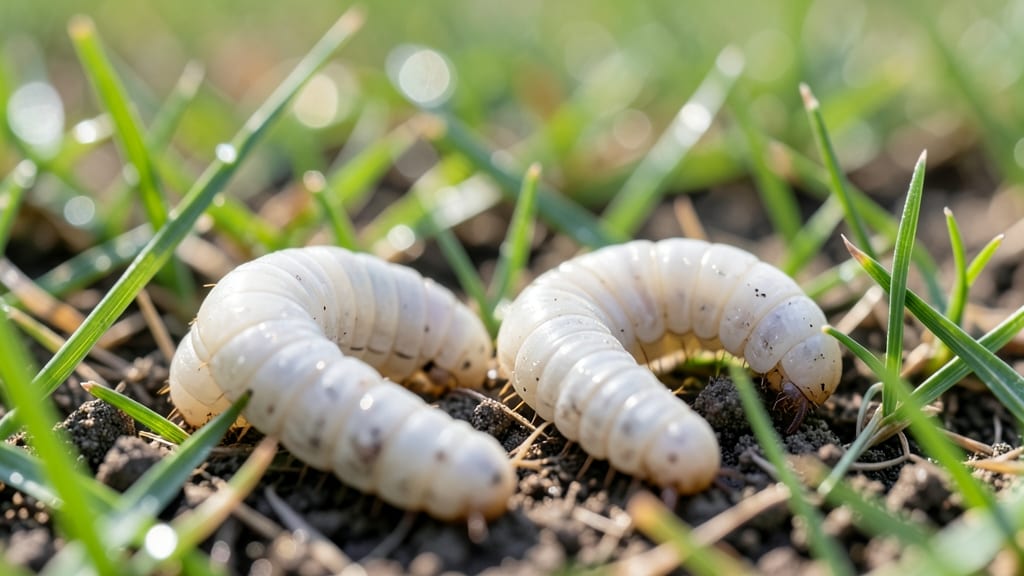
Grub worms in lawns are the sneaky culprits behind those unsightly brown patches that look like drought damage. 🌱 I’ve spent years watching them turn lush green grass into a patchwork of dead spots—and I’ve cracked the code on stopping them fast without harsh chemicals.
The key is acting quickly when you spot the signs: irregular patches that don’t recover after watering, moles suddenly digging up your lawn, or grubs wriggling when you lift a small section of sod.
Organic solutions like milky spore or beneficial nematodes can work in 24 hours if applied correctly, and they’re safer for kids and pets. You’ll see results within days—no more guessing if your lawn is dying from grubs or just thirsty.
The secret is combining spot treatments with preventive care to keep your grass thriving long after the infestation is gone. Perfect for homeowners tired of chemical-heavy solutions or those who want a lawn that stays green without the risk. Let’s get those grubs gone for good!
Root Causes Of Lawn Grubs
Grubs—those C-shaped, white larvae of beetles—don’t just appear in your lawn by accident. They thrive due to a mix of environmental factors, lawn health, and even human habits. Understanding why they take over is the first step to stopping them in their tracks.
Below, we break down the science behind their invasion, so you can address the real issues.
Grubs love moisture—too much of it, in fact. When lawns are overwatered, the soil stays soggy, creating the perfect breeding ground for beetles (like Japanese beetles or June bugs) to lay their eggs. Here’s how it happens:
- Excess moisture softens the soil, making it easier for female beetles to burrow and deposit eggs.
- Slow-draining lawns (common in clay-heavy soils) trap water, extending the grubs’ feeding window.
- Frequent light watering (e.g., daily sprinklers) keeps the topsoil damp longer than deep, infrequent watering.
Actionable fix: Adjust your watering schedule to 1–1.5 inches per week (including rain) and water deeply but less often to encourage roots to grow deeper, reducing surface moisture.
Stressed or thin grass is like a neon sign for beetles: “Free food and shelter here!”. Grubs target lawns that are:
- Thin or patchy (from drought, disease, or poor mowing habits), exposing roots to easy access.
- Over-fertilized with nitrogen, which boosts lush top growth but weakens root systems—grubs’ favorite snack.
- Compacted or poorly aerated, limiting oxygen and nutrients, making grass vulnerable.
Why it matters: Healthy grass can tolerate a few grubs, but when the turf is already struggling, grubs accelerate damage, leading to brown patches and dead spots.
Actionable fix: Test your soil’s pH and nutrient levels, aerate annually, and use a balanced fertilizer (low in nitrogen) to strengthen roots.
Grubs are the larvae of beetles, and their life cycle is highly seasonal. Here’s how timing plays a role:
| Season | Beetle Activity | Grub Risk |
|---|---|---|
| Late Spring/Early Summer | Adult beetles emerge (e.g., Japanese beetles) and feed on leaves. | ⚠️ High—females lay eggs in moist soil. |
| Summer | Eggs hatch into grubs, which feed on roots. | 🔥 Peak—grubs grow rapidly in warm soil. |
| Fall | Grubs mature and pupate underground. | ⚠️ Moderate—late-season damage possible. |
Actionable fix: Monitor beetle activity in May–July and treat preventatively if you spot adult beetles. Fall is also a critical time to apply beneficial nematodes (more on that later!).
While mulch and compost improve soil, they can also insulate moisture and warmth, creating ideal conditions for grub eggs to hatch. Thick layers of:
- Wood chips or straw mulch near lawn edges trap humidity.
- Leaf litter or grass clippings left piled up provide shelter for beetles to lay eggs.
- Decaying organic debris (like old tree roots) can harbor grubs year-round.
Actionable fix: Keep mulch 2–3 inches thick max and 3+ inches away from lawn edges. Rake up excess clippings and debris after mowing.
Sometimes, the way we maintain our lawns accidentally encourages grubs. Common mistakes include:
- Mowing too short (below 2–3 inches) stresses grass and exposes roots.
- Using broad-spectrum pesticides that kill beneficial insects, leaving no natural predators for grubs.
- Ignoring early signs (e.g., birds pecking at the lawn or irregular brown patches) until damage spreads.
Actionable fix: Mow at 3–4 inches, avoid chemical pesticides, and inspect your lawn weekly in peak grub seasons (June–August).
Quick Fixes for Grub Worms
Grub worms may seem like a stubborn lawn nuisance, but with the right approach, you can tackle them effectively—even in just 24 hours. Below are targeted solutions based on the most common causes of infestations, from overwatering to poor lawn health.
Each method is designed to be practical, organic, and fast-acting, so you can restore your lawn without harsh chemicals.
If your lawn stays soggy, grubs thrive in the damp soil. Reduce watering frequency and let the top 2–3 inches of soil dry out between sessions.
For immediate relief: - 🍳 Adjust your watering schedule: Water deeply 2–3 times per week (early morning) instead of daily light sprinkles. - 👨🍳 Improve drainage: Aerate compacted soil to help water absorb properly and prevent standing water. - ⏰ Time it right: Water before 10 AM to allow grass to dry out faster, making it less inviting for grubs.
💡 Pro Tip: Use a moisture meter to check soil dampness—grubs love soil that stays wet for more than 48 hours.
A dense, unhealthy lawn attracts grubs because weak grass can’t compete. Revitalize your turf with these steps:
- 🔪 Mow higher: Set your mower to 3–4 inches to shade the soil and discourage egg-laying beetles.
- 🌱 Overseed bare spots: Fill thin areas with disease-resistant grass seed (like tall fescue or Kentucky bluegrass) to crowd out grubs naturally.
- 🌡️ Boost soil health: Apply a light layer of compost (¼ inch) to improve microbial activity, which helps roots outcompete pests.
✨ Prevention Hack: Plant nematode-friendly grasses (like ryegrass) to encourage beneficial worms that prey on grubs.
Japanese beetles lay eggs that hatch into grubs. Disrupt their life cycle with these traps: - 🕵️♂️ Install pheromone traps (early summer) to catch adult beetles before they lay eggs. - 🍎 Use milky spore bacteria: This organic soil treatment targets grub populations by infecting their digestive systems.
Apply in early fall for best results. - 🌿 Plant trap crops: Grow marigolds or geraniums near your lawn—the beetles prefer these over grass!
🎯 Long-Term Strategy: Apply beneficial nematodes (Heterorhabditis bacteriophora) in late summer/early fall when grubs are young and vulnerable.
After heavy rain, grubs become more active and visible. Dry the soil quickly with these steps:
- 💦 Reduce irrigation: Skip watering for 3–4 days to let the soil dry out.
- ☀️ Rake and aerate: Loosen the top layer of soil to speed up evaporation and expose grubs to predators (birds, toads).
- 🚜 Use a lawn roller: Lightly compact the soil in small sections to force grubs upward, where birds can eat them.
🔥 Emergency Fix: Spread diatomaceous earth (food-grade) lightly over affected areas—it dehydrates grubs on contact (reapply after rain).
Once you’ve treated an infestation, stop future outbreaks with these habits:
- 📅 Test your soil: Ensure pH is between 6.0–7.0—grubs prefer slightly acidic soil.
- 🌿 Mow regularly: Keep grass at 3 inches to deter beetles from laying eggs.
- 🐦 Encourage predators: Leave some leaf litter or plant clover to attract birds, toads, and ground beetles.
- 🍂 Fall cleanup: Remove thatched grass and debris in autumn—beetles hide there to lay eggs.
Final Note: For fastest results, combine drying the soil with nematode or milky spore treatments. Most organic solutions take 24–72 hours to show visible improvement, especially if grubs are near the surface. Stay consistent, and your lawn will bounce back healthier than ever!
Frequently asked questions
How do I know if my lawn has grub worms and not just drought stress?
Look for these key signs: irregular brown patches that don't recover after watering, spongy turf when you step on it (like walking on a trampoline), or birds digging at your lawn. Lift a small section of sod—if you see white, C-shaped larvae (grubs), that's your answer! Drought stress usually affects entire areas uniformly, while grub damage creates scattered dead spots.
Are milky spore or nematodes better for grub control?
Both work, but for fast results, nematodes (Heterorhabditis bacteriophora) act within 24–48 hours by releasing bacteria that kill grubs on contact. Milky spore takes 2–3 years to establish but provides long-term protection. For severe infestations, use nematodes first, then follow up with milky spore in fall for prevention.
Can I use vinegar or dish soap to kill grubs?
No—vinegar and dish soap won't kill grubs effectively and can harm your lawn. Vinegar burns grass, while dish soap only works as a short-term surface irritant. For organic solutions, stick to beneficial nematodes, diatomaceous earth, or milky spore. If you need fast action, drying the soil (reducing water) is your best bet.
Will moles or skunks dig up my lawn because of grubs?
Moles and skunks love eating grubs—their tunnels and holes are a sign your lawn is a grub buffet. Instead of trapping them, treat for grubs first (nematodes or milky spore). Once the food source is gone, the wildlife will move on. If you still see damage, use castor oil-based repellents (safe for pets/kids).
How often should I check for grubs in my lawn?
Inspect your lawn weekly during peak grub season (June–August) and again in fall. Lift a small patch of sod in shady, moist areas (grubs’ favorite spots) and check for larvae. Early detection lets you act fast—most organic treatments work best when grubs are young and near the surface.