
Lawn
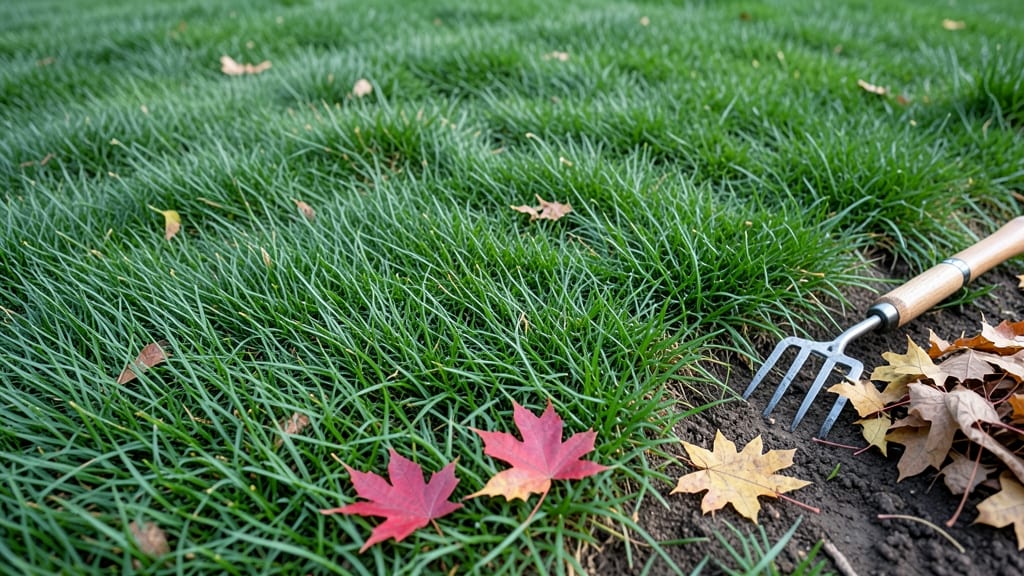
The leaves are good for your lawn when applied correctly, serving as natural mulch that locks in moisture and adds organic nutrients—but they must be shredded first to prevent suffocating grass and creating thick thatch layers. Spread them evenly in thin layers for best results.
When leaves break down, they release nutrients like nitrogen and potassium that grass craves, acting like slow-release fertilizer. 🌿 The key is preparation: shredded leaves decompose faster and blend seamlessly into your lawn, while whole leaves block sunlight and trap moisture against grass blades, inviting fungal growth.
I've seen dramatic improvements in lawn density after using a lawn mower to chop leaves into confetti-sized pieces during fall cleanup.
Timing matters too—sprinkle leaves in early fall before the first hard frost, when grass is still active but not growing rapidly. A ¼-inch layer is ideal; anything thicker risks smothering your lawn.
For large yards, consider renting a leaf vacuum or shredder to make the process efficient. The result? A healthier lawn with less need for synthetic fertilizers.
💡 In This Article
- How Leaf Mulch Improves Lawn Soil Health
- Safe Ways to Use Fallen Leaves on Grass
How leaf mulch improves lawn soil health
When leaves decompose, they transform into a nutrient-rich organic matter that mimics nature's own composting process. The breakdown begins with microbes and fungi in the soil that decompose cellulose—the main component of leaves—into simpler compounds. This process releases essential nutrients like nitrogen, phosphorus, and potassium, which grass roots eagerly absorb.
A study from the University of Minnesota found that leaf mulch can increase soil organic matter by up to 30% over a single season, creating a sponge-like structure that holds 20-30% more moisture than bare soil.
The texture of leaves makes all the difference. Shredded leaves decompose in 2-4 weeks, while whole leaves can take 6 months or longer—this is why most experts recommend mulching first.
Shredded leaves also allow water and air to reach the soil surface, preventing thatch buildup (that dense, spongy layer of dead grass and debris). Think of it like this: whole leaves create a suffocating blanket, while shredded leaves act like a breathable, nutrient-infused blanket that feeds your lawn.
This organic matter also supports beneficial soil microbes that break down thatch naturally. The microbes create channels in the soil, improving aeration and root growth. You'll notice healthier grass blades with deeper roots when leaves are used correctly.
The key is balance: too many leaves create anaerobic conditions (low oxygen) that produce foul odors and attract pests, while the right amount creates a thriving ecosystem beneath your lawn.
Consider the leaf-to-soil ratio: a ¼-inch layer of shredded leaves is ideal for most lawns. This thickness allows sunlight to reach grass while providing enough organic material to decompose. For comparison, a standard sheet of paper is about 0.004 inches thick—so 62 sheets would equal that ¼-inch layer.
Spread leaves evenly after mowing or with a broadcast spreader for uniform coverage.
Seasonal timing matters too. Apply leaves in early fall when grass is still growing but before hard frosts slow decomposition. This gives microbes time to work before winter dormancy. In warmer climates, you can apply leaves year-round, but always avoid thick piles that block sunlight completely.
The goal is to mimic how leaves naturally decompose in forests, where they form a thin, even layer that enriches the soil without smothering plant life.
For best results, mix leaves with grass clippings—the nitrogen from fresh clippings helps decompose the carbon-rich leaves faster. This green-to-brown ratio (fresh grass clippings to leaves) creates the perfect balance for microbial activity.
You'll see the difference in your lawn's resilience, especially during dry spells when proper mulching helps retain critical moisture.