
Lawn
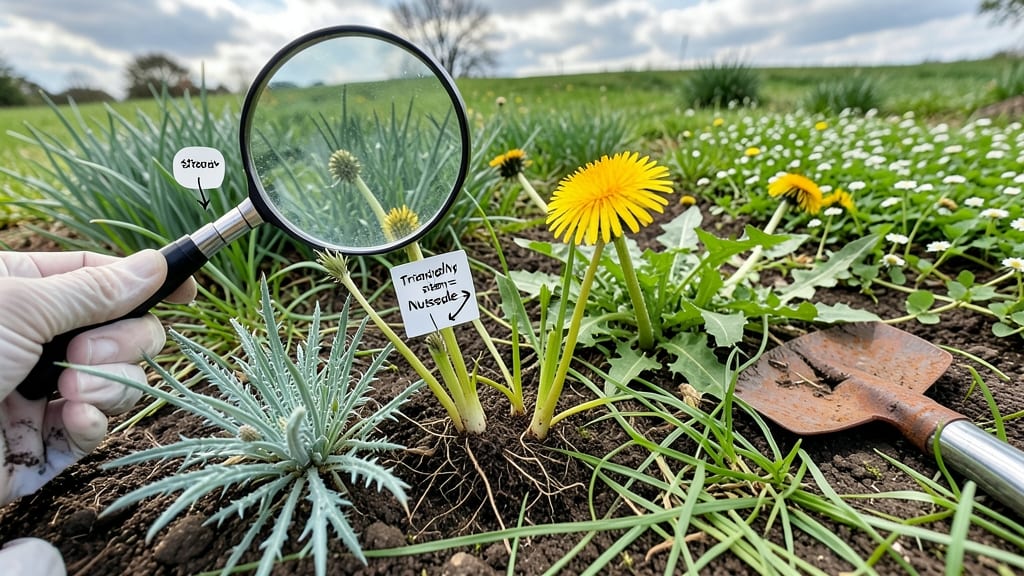
Bad grasses in lawns turn your lush lawn dreams into a patchwork nightmare. 🌱 I’ve spent years battling these invaders—first with frustration, then with a system that actually works. The key isn’t just killing what’s there, but stopping new weeds before they take root.
Most "bad grasses" thrive because they outcompete your lawn—growing faster, deeper roots, or crowding out grass. Crabgrass spreads like a weed (literally), nutsedge shoots up from underground tubers, and dandelions pop up where grass is weak. The good news? You can outsmart them with the right tools and timing.
By the end of this, you’ll spot weeds early, pull them out without chemicals, and keep your lawn dense enough to crowd out invaders naturally. No more wasting weekends on spot treatments that don’t last. Just a yard that stays green, strong, and weed-free for good.
We’ll cover organic pulls, targeted sprays, and the one mowing trick that prevents 80% of weeds. Let’s get your lawn back—and keep it that way.
Root Causes of Unwanted Grasses
Your lawn might be overrun with bad grasses (or weeds) not just because of bad luck—it’s often the result of specific environmental and maintenance factors. Understanding these causes is the first step to reclaiming a lush, healthy yard. Let’s break down the science behind why these invasive grasses take over.
Unwanted grasses thrive when your lawn’s foundation—soil—isn’t optimized for desirable turf. Here’s how poor soil sets the stage for trouble:
- Compacted Soil:
Heavy foot traffic, construction equipment, or even natural settling can compress soil, reducing oxygen and water penetration. This creates a stressful environment where weeds like crabgrass or nutsedge outcompete grass by sending deep roots to access nutrients.
💡 Pro Tip: Aerate your lawn in spring or fall to relieve compaction and improve root growth.
- Imbalanced pH Levels:
Grass prefers a pH of 6.0–7.0. If your soil is too acidic (<6.0) or alkaline (>7.5), it weakens desirable grasses while weeds like chickweed or dollarweed adapt better. Soil tests (available at garden centers) reveal the issue.
✨ Actionable Fix: Adjust pH with lime (for acidity) or sulfur (for alkalinity) based on test results.
- Low Organic Matter:
Soil rich in organic matter (like compost) supports microbial activity that feeds grass roots. Without it, weedy grasses like bentgrass or annual bluegrass dominate because they’re more resilient to nutrient-poor conditions.
🌡️ Quick Solution: Top-dress with ¼-inch compost annually to rebuild soil health.
Even the hardiest grass can succumb to neglect. These common mistakes create openings for invasive grasses:
- Irregular Watering:
Drought-stressed grass leaves gaps, inviting weeds like crabgrass to germinate. Overwatering, however, can drown grass roots while encouraging mushroom-like weeds (e.g., nutgrass) that thrive in soggy conditions.
🎯 Best Practice: Water deeply 1–1.5 inches per week (early morning) and adjust for rainfall.
- Skipping Mowing Height Adjustments:
Cutting grass too short (below 2–3 inches) exposes soil to sunlight, prompting weed seeds to sprout. Tall fescue or Kentucky bluegrass, when mowed properly, shade out weeds naturally.
🔪 Rule of Thumb: Never remove more than ⅓ of the grass blade in one mowing.
- Lack of Fertilization:
Weeds often outgrow weak grass because they require fewer nutrients. A balanced fertilizer (N-P-K ratio like 10-10-10) strengthens turf, while broadleaf weeds like dandelions exploit nitrogen-poor patches.
💪 Schedule: Apply fertilizer in early spring and fall for steady growth.
Mother Nature plays a role too. Climate, weather, and seasonal shifts can tip the scales in favor of unwanted grasses:
- Seasonal Dormancy Gaps:
Cool-season grasses (like ryegrass) go dormant in summer heat, leaving bare spots for summer annual weeds (e.g., goosegrass). Warm-season grasses (like Bermuda) struggle in fall, inviting cool-season weeds (e.g., henbit).
🌡️ Strategy: Overseed dormant areas with matching grass types to fill gaps.
- Extreme Weather Events:
Flooding washes away soil nutrients, while prolonged drought weakens grass roots. Both scenarios create prime conditions for weedy grasses like nutsedge, which thrive in waterlogged or dry stress.
🌧️ Preparation: Improve drainage with sand or organic matter before storms.
- Shade and Light Competition:
Trees and buildings cast shade, reducing sunlight for grass. Shade-tolerant weeds like creeping Charlie or moss take over because they photosynthesize efficiently in low light.
🌳 Workaround: Choose shade-resistant grass like fine fescue or use mulch to block weed seeds.
Hidden threats like insects and pathogens can weaken grass, making it vulnerable to weeds:
- Grasshoppers and Chinch Bugs:
These pests chew grass blades, reducing its ability to photosynthesize. The resulting stress allows weeds like crabgrass to establish roots quickly.
🔥 Defense: Apply neem oil or insecticidal soap early in the season.
- Fungal Infections (e.g., Brown Patch):
Diseases like Rhizoctonia create dead patches where weedy grasses like annual bluegrass move in. Overwatering or thick thatch fuels fungal growth.
🍄 Prevention: Reduce thatch with verticutting and improve airflow.
By addressing these root causes—soil health, maintenance habits, environmental stresses, and pest control—you’ll starve out unwanted grasses and give your lawn the competitive edge it needs. The next step? Learn how to spot these invaders before they take over.
Solutions That Work for Weedy Lawns
Now that you know why those pesky weeds and bad grasses are taking over, let’s tackle them head-on with practical, step-by-step solutions. The key is matching the right fix to the problem—whether it’s crowding out your lawn, poor soil health, or seasonal stress.
Here’s how to reclaim your green space, one patch at a time.
---
If your lawn is already a battleground, prevention is your first line of defense for the future. A healthy lawn naturally resists weeds, so focus on these foundational steps:
#### 🌱 Strengthen Your Grass First Weeds thrive where grass is weak. Before reaching for chemicals, give your lawn a fighting chance: - Mow high: Set your mower to 3–4 inches.
Taller grass shades out weeds and develops deeper roots. - Water deeply but infrequently: Aim for 1–1.5 inches per week. Shallow watering encourages weeds like crabgrass. - Fertilize smartly: Use a slow-release, balanced fertilizer (like 16-4-8) in early spring and fall.
Avoid overdoing nitrogen—it can make grass more susceptible to stress and weeds.
#### 🛡️ Block Weeds Before They Sprout Pre-emergent herbicides are your secret weapon against annual weeds like crabgrass and chickweed. Apply them in early spring (before weeds germinate) and late summer (for fall germinators). Follow the label closely—overapplying can harm your lawn.
---
If weeds are already established, targeted treatments can save your lawn. Here’s how to choose:
#### 🔪 Spot-Treat Stubborn Weeds For broadleaf weeds (dandelions, clover, plantain), use a selective post-emergent herbicide like 2,4-D or triclopyr.
Always: - Apply on a dry, calm day (no rain for 24–48 hours). - Use a drop spreader for precision—avoid overspraying. - Reapply if weeds regrow (some perennials like dandelions need 2–3 treatments).
#### 🌡️ Tackle Grass-Like Weeds (Nutsedge, Crabgrass) These weeds are trickier because they’re not broadleaf. Use a non-selective herbicide (like glyphosate) for spot treatments, but only on bare soil or driveways—it kills everything it touches. For nutsedge, a sedge-specific herbicide (like halosulfuron) works best.
--- For small patches or organic lawns, get your hands dirty: - Pull weeds early: Young weeds are easier to remove. Use a weed puller or digging fork for deep roots (like dandelions). - Solarize bare spots: Cover weedy areas with clear plastic for 4–6 weeks in summer.
The sun bakes weeds into submission. - Hand-pick clover: Clover spreads quickly but can be pulled by hand if caught early.
--- - Test your soil: pH imbalances (too acidic or alkaline) invite weeds. Adjust with lime (to raise pH) or sulfur (to lower it). - Aerate compacted soil: Weeds love dense, hard-packed soil.
Rent an aerator or spike the lawn with a garden fork in fall. - Overseed thin areas: Fill bare spots with shade-tolerant grass (like fine fescue) or clover to outcompete weeds naturally. - Mulch grass clippings: Return them to the lawn—they add nutrients and suppress weeds.
--- | Season | Task | Why It Works | |-------------|-----------------------------------|-------------------------------------------| | Early Spring | Apply pre-emergent + fertilize | Stops crabgrass before it starts | | Late Spring | Overseed thin spots | Thickens grass to block weeds | | Summer | Hand-pull weeds + water deeply | Prevents stress that invites weeds | | Fall | Aerate + apply pre-emergent | Repairs soil and stops fall weeds |
--- Weeds won’t disappear overnight, but with consistent care, your lawn will crowd them out. Start with one or two methods that fit your lawn’s biggest issues, then build from there. Before you know it, you’ll be the envy of the neighborhood with a lush, weed-free yard! 🌿💚
Frequently asked questions
What are the most common types of bad grasses in lawns?
Look for crabgrass (spiky, light green blades), nutsedge (triangular stems that look like grass but grow from tubers), and broadleaf weeds like dandelions or clover. Each type needs different treatment—crabgrass thrives in summer heat, while nutsedge loves wet soil.
Can I use vinegar to kill weeds in my lawn?
Yes, but carefully! A 20% vinegar solution (1 part white vinegar to 1 part water) works as a natural herbicide, but it kills all plants—grass included. Spot-treat weeds on sunny days, and avoid using it near desirable plants or in windy conditions.
How often should I apply pre-emergent herbicide?
Apply pre-emergent once in early spring (before weeds sprout) and again in late summer to stop fall germinators. Follow label instructions—overapplying can harm your lawn. Pro tip: Water lightly after application to help it activate.
Why do weeds keep coming back even after treatment?
Weeds often return due to deep roots (like dandelions) or underground tubers (like nutsedge). Treatments may kill the tops, but the roots stay alive. For stubborn weeds, dig deeper or use a sedge-specific herbicide for nutsedge.
Is it better to pull weeds by hand or use chemicals?
Hand-pulling works best for small patches or organic lawns—especially young weeds. Chemicals (like selective herbicides) are faster for large areas but can harm pets/kids if not used carefully. For a balanced approach, combine both: pull visible weeds and use pre-emergent to stop new growth.