
Pruning
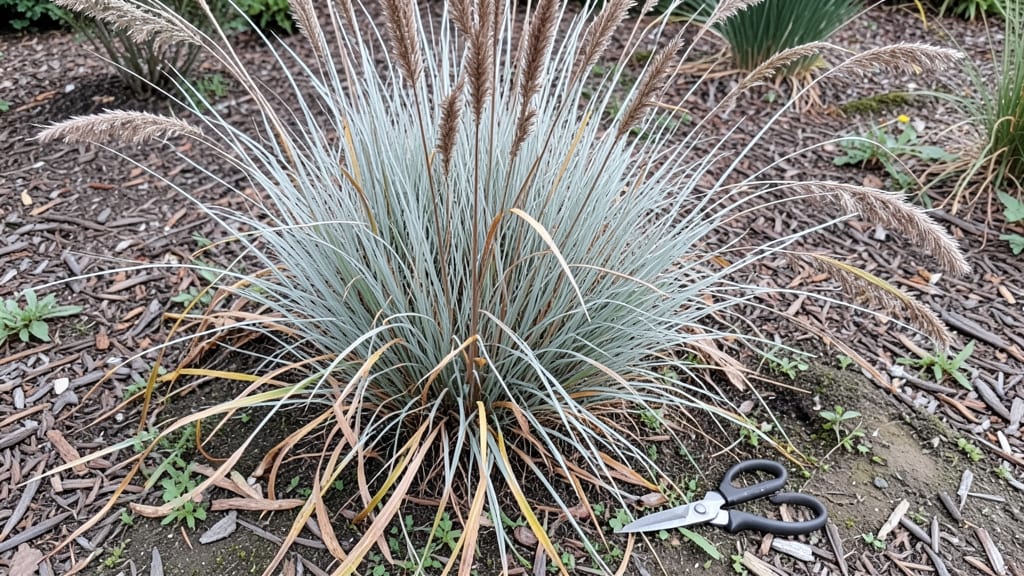
Cutting ornamental grasses the right way transforms them from wild, unruly clumps into showstopping year-round features that keep your landscape looking polished.
I learned this the hard way after hacking through my maiden grass with dull shears—what should have been a quick refresh turned into a tangled mess that took weeks to recover.
The best approach isn’t just about timing; it’s about technique, the right tools, and knowing when to leave those seed heads standing for winter interest.
You’ll need sharp pruners or a heavy-duty hedge trimmer (never dull scissors—they crush stems and invite disease), gloves to protect your hands from razor-sharp edges, and a clear day to avoid working with damp blades.
For clumping grasses like fountain grass, cut back one-third of the oldest growth in late winter or early spring, while spreading types like pampas grass benefit from a post-bloom trim to maintain their natural shape. The goal is clean lines without sacrificing the grass’s ability to regrow.
What you’ll end up with is grasses that look neat without looking dead—think of the feathery texture of little bluestem or the dramatic plumes of switchgrass, all standing tall and healthy. Done right, this method encourages thicker growth, prevents flopping, and keeps your plants looking intentional, not neglected.
The key is patience: rush the cut, and you’ll stunt new growth; wait too long, and you’ll miss the sweet spot for regrowth.
Works for everything from 3-foot tall miscanthus to delicate 6-inch carex—just adjust the height and timing. Here’s how to do it without turning your grasses into a sad, overpruned shadow of their former selves.
📚 In This Guide
- What you need
- Instructions
- Tips and common mistakes
- Wrapping up and next steps
What you need
- ● Sharp pruning shears or hedge shears – Choose bypass (not anvil) blades for clean cuts. Size: 6–8" for small grasses, 10–12" for larger varieties.
- ● Heavy-duty pruners or loppers – For thicker stalks (e.g., Miscanthus or Panicum). Look for ergonomic handles and locking blades for safety.
- ○ Hedge trimmers (optional but helpful) – Electric or cordless models work best for large-scale or formal cuts (e.g., Cortaderia or Pennisetum). Blade length: 12–18".
- ● Garden gloves – Heavy-duty, cut-resistant (e.g., Mechanix or FrogToggs) to protect against sharp edges and thorns (e.g., Imperata cylindrica).
- ● Safety glasses or goggles – Essential when trimming near the face or in windy conditions.
- ● Sturdy work boots or closed-toe shoes – Protect your feet from stray blades or debris.
- ● Extension pole for hedge trimmers – Reaches 6–8 feet for tall grasses without straining.
- ● String trimmer (weed whacker) – For overgrown or wild grasses in hard-to-reach areas.
- ● Knee pads – If you’re working close to the ground (e.g., Carex or Muhlenbergia).
- ● Disinfectant (70% isopropyl alcohol or bleach solution) – Clean tools between cuts to prevent disease spread.
- ● Rake or leaf blower – Clears debris after trimming for a neat, finished look.
- ● Check the weather – Wait for a dry, calm day (wind can make cutting messy!).
- ● Know your grass type – Research whether it’s clump-forming (e.g., Festuca) or spreading (e.g., Calamagrostis) to avoid over-trimming.
- ● Mark your cuts – Use spray paint or flags to outline desired shapes for formal gardens.
Instructions for pruning ornamental grasses like a pro
Here’s the method I’ve used for years to keep ornamental grasses looking sharp all season long.
Time Your Cuts for Optimal Growth
Cut ornamental grasses in late winter or early spring, just as new growth begins to emerge. This is when the plant is entering its active growth phase, and the fresh shoots will quickly fill in any gaps left by the previous year’s foliage. Avoid cutting back in fall or winter—this removes the protective layer that insulates roots during dormancy.
If you’re dealing with clumping grasses like Miscanthus or Calamagrostis, you can also do a light trim in mid-summer to encourage bushier growth. For spreading grasses like Pennisetum, wait until spring to avoid disturbing the rhizomes. Watch for the first 1-2 inches of new green growth—that’s your cue to act.
Use the Right Tools for Clean Cuts
Never use dull shears or hedge trimmers—they crush stems and leave jagged edges that invite disease. Instead, grab your sharp bypass pruners or a handsaw for thicker clumps. A clean, sharp knife works well for precise cuts on smaller grasses. I always test the blade by cutting a piece of paper—if it tears instead of slices cleanly, sharpen it first.
Cut 1-2 inches above the ground for most grasses, but leave 3-4 inches for those with thick, woody bases like Andropogon or Sorghastrum. This ensures you don’t damage the crown, where next year’s growth originates. If your grass has seed heads that you want to preserve for winter interest, trim around them instead of removing them entirely.
Remove Debris and Encourage New Growth
After cutting, rake away all the old growth and debris to prevent fungal issues. This is especially important if your grasses were affected by powdery mildew or rust over the winter. I like to use a stiff-bristled broom to sweep out dead material from the base, where moisture can linger and cause rot.
Water the base deeply but thoroughly after pruning to help the plant recover. You’ll notice new shoots emerging within 2-3 weeks—this is a sign the grass is rebounding. If you see yellowing or sparse growth, it might mean you cut too low or the plant needs additional nutrients. A light application of balanced fertilizer (10-10-10) at this stage can help.
Maintain Shape Throughout the Season
Ornamental grasses don’t need frequent trimming, but a light touch-up in mid-summer keeps them looking polished. Use your pruners to neaten straggly stems or remove any dead or diseased sections. Avoid over-trimming—grasses thrive on a more natural, relaxed shape. If a clump gets too large, divide it in early spring instead of shearing it back aggressively.
For upright varieties like Panicum or Stipa, you can gently weave stems to encourage a fuller habit. If your grass starts to flop or lean, it’s a sign it needs staking or a more sheltered spot. The key is to work with the plant’s natural growth habits rather than forcing it into a rigid shape.
Tips & tricks for pruning ornamental grasses like a pro
These seasoned strategies will help you achieve the clean, polished look that keeps ornamental grasses thriving year after year.
Timing Secret: The late winter or early spring timing in Step 1 is critical because it aligns with the plant's natural growth cycle. If you notice the first 1-2 inches of new green growth emerging, that's your definitive cue to prune—not the calendar date. For clumping grasses like Miscanthus, that mid-summer trim I mentioned actually stimulates bushier growth by promoting lateral shoots, but only do this if you're not preserving seed heads for winter interest.
Tool Precision Matters: Sharpness is non-negotiable in Step 2. I can't stress enough how dull tools crush stems and create entry points for disease. Before you begin, test your pruners by cutting a piece of paper—if it tears instead of slices cleanly, sharpen them first. For grasses with thick, woody bases like Andropogon, those extra 1-2 inches you leave above ground protect the crown where next year's growth originates, preventing permanent damage.
Post-Pruning Recovery: After cutting, the thorough cleanup in Step 3 isn't just about aesthetics—it's about plant health. That stiff-bristled broom removes debris where moisture can pool and cause rot, especially important if your grasses showed signs of powdery mildew. The deep watering afterward helps establish new growth, and you'll typically see those fresh shoots emerge within 2-3 weeks as the plant rebounds. If you notice yellowing after pruning, it's often a sign you cut too low or the plant needs a nutrient boost with that 10-10-10 balanced fertilizer.
Seasonal Maintenance Strategy: That mid-summer touch-up in Step 4 is your opportunity to maintain shape without over-trimming. Think of it as a light grooming session rather than a drastic haircut. For upright varieties like Panicum, gently weaving stems creates that fuller habit naturally, while staking becomes necessary when grasses start to flop—it's their way of telling you they need support rather than aggressive pruning.
Pro Tips for Best Way To Cut Ornamental Grasses
- These seasoned strategies will help you achieve the clean, polished look that keeps ornamental grasses thriving year after year.
- Timing Secret: The late winter or early spring timing in Step 1 is critical because it aligns with the plant's natural growth cycle.
- Tool Precision Matters: Sharpness is non-negotiable in Step 2.
Frequently asked questions
Got questions about cutting ornamental grasses? You’re not alone—these plants can be tricky! Here are answers to the most common questions to help you prune like a pro.
When is the best time to cut ornamental grasses?
The ideal time depends on the type, but most ornamental grasses should be cut back in late winter or early spring (before new growth starts). For winter interest varieties, trim after they’ve died back naturally. Avoid cutting in fall—this removes protective seed heads that shelter wildlife.
Should I cut ornamental grasses all the way to the ground?
Not always! For clumping grasses (like Miscanthus or Pennisetum), trim to 2–3 inches above the base. For spreading types (like Calamagrostis), leave 6–12 inches of stem to protect the crown. Over-cutting can stress the plant or invite pests.
What if I cut ornamental grasses at the wrong time?
Don’t panic! If you trim too early (fall/winter), the grass may regrow weakly or look ragged. If you wait too late (spring after growth starts), you’ll remove fresh foliage. Solution: Cut back only dead or brown fronds in late winter, and give the plant time to recover before summer heat arrives.
Can I use hedge trimmers or shears to cut ornamental grasses?
Nope! Hedge trimmers can rip leaves and leave jagged cuts, which look messy and invite disease. Instead, use sharp pruners, bolt cutters, or a string trimmer for thick clumps. For large patches, a grass-specific trimmer (like a Husqvarna or Ego) works best.
What if my ornamental grass looks sad after cutting?
Sadness is usually temporary! If the plant looks leggy or sparse, it may need fertilizer (use a slow-release, low-nitrogen option) or better drainage. If the center dies out, it’s likely crown rot—reduce watering and improve airflow. Most grasses bounce back in 4–6 weeks with proper care.
Still stumped? Pro tip: Take a photo of your grass before/after pruning and compare it to healthy examples online. When in doubt, cut less—you can always trim more later!
Wrapping up and next steps
Cutting ornamental grasses doesn’t have to be intimidating—with the right tools, timing, and technique, you can keep them looking sharp and healthy all year long! 🌿 Whether you’re trimming for aesthetics, growth, or winter prep, the key is precision and patience.
Now that you’re armed with expert tips, grab those shears or hedge trimmers and get ready to transform your garden into a stunning, low-maintenance landscape.
Ready to take the next step? Plan your pruning schedule based on your climate and grass type, then check out our seasonal care guide for year-round success. Happy trimming!