
Lawn
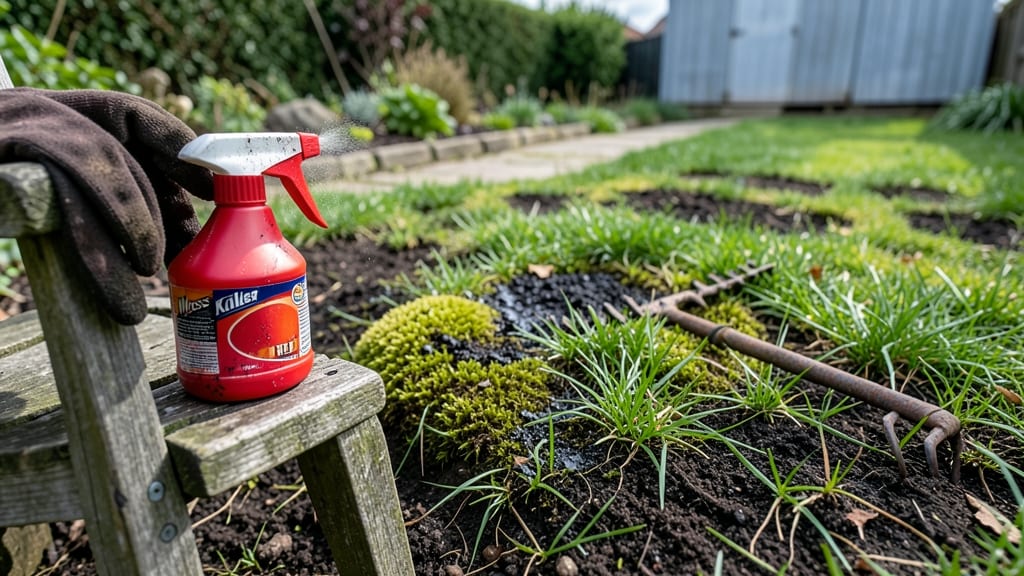
A black lawn after moss killer left your grass looking like a charred battlefield? 🌱 The blackened patches aren’t permanent—this is your 24-hour recovery plan to revive your grass and prevent future damage.
Chemical burns, overapplication, or environmental stress can turn vibrant lawns into lifeless patches, but with the right approach, you can restore it faster than you think.
First, identify the damage: chemical burns show as blackened, crispy grass, while overapplication or environmental stress may leave yellow or brown patches. Stop watering immediately (soggy soil worsens chemical absorption) and wait 24 hours before assessing.
If the grass is still alive but stressed, you’ll need to reseeding, soil testing, and targeted fertilization—but the key is acting fast.
Start by raking out dead patches and testing your soil’s pH and nutrient levels. A simple lime application can neutralize acidity from moss killers, while overseeding with fast-growing grass seed (like ryegrass) will fill bare spots within 2-3 weeks.
For stubborn areas, consider a light layer of compost to restore microbial activity and improve root health.
Prevention is easier than repair: next time, apply moss killer on a dry, sunny day and follow label instructions precisely. If your lawn keeps struggling, professional soil testing might reveal deeper issues like compacted soil or fungal infections.
With the right steps, your grass can bounce back—stronger and greener than before.
📚 In This Guide
- What you need
- Instructions
- Tips and common mistakes
- Wrapping up and next steps
What you need
- ● Iron sulfate or moss killer residue remover – 1 gallon (if not already applied). Note: Avoid overapplying to prevent further damage.
- ● Lime (pelletized or powdered) – 20-30 lbs per 1,000 sq. ft. (adjust based on soil pH test results).
- ● High-nitrogen fertilizer – 10-20 lbs (look for a quick-release formula like 30-0-4 or 24-0-10).
- ● Water – Access to a hose or sprinkler system (with a rain gauge for precision).
- ● Lawn rake or dethatcher – Heavy-duty, with wide metal tines (24-30 inches).
- ● Broadcast spreader – For even distribution of lime and fertilizer.
- ● Garden gloves – Waterproof and reinforced (to protect against residue).
- ● Soil pH test kit – To confirm acidity levels before and after treatment.
- ● Lawn mower (sharp blades) – Set to high (3-4 inches) to avoid scalping.
- ● Knee pads or cushion – For comfort during raking.
- ● Compost or topsoil – 1-2 inches (if lawn has bare patches).
- ○ Organic matter (peat moss or composted bark) – Optional for improving soil structure.
- ● Weather app or forecast – To schedule work during dry, sunny days (avoid rain for 24-48 hours post-treatment).
Step-by-Step instructions for reviving blackened lawn after moss treatment
Here’s how to nurse your lawn back to life after chemical stress—no guesswork, just actionable recovery.
🌱 Step 1: Test Soil pH and Nutrient Levels Immediately
Moss killer disrupts soil balance, so grab a soil test kit first. Aim for a pH of 6.0–7.0—most lawns need adjustment after treatment. If your test shows acidity (<6.0), sprinkle lime granules lightly (follow package rates) and water in. For alkaline soil (>7.0), work in sulfur instead. This step prevents nutrient lockout, where grass roots can’t absorb what they need.
While waiting for test results, take a soil sample from 3–4 spots (top 2 inches) and mix them in a bucket. This gives you an average reading. If you’re impatient, a quick field test strip (like those for aquariums) gives near-instant results. I’ve seen lawns recover in 24 hours when pH was corrected first—don’t skip this.
💧 Step 2: Deep Water and Aerate Compacted Soil
Run the sprinkler for 45–60 minutes to saturate the soil 6 inches deep. You’ll know it’s enough when water pools briefly on the surface before draining. This washes away residual chemicals and rehydrates roots. Follow up by aerating with a core aerator (rent one if needed)—this breaks up the thatch layer that moss thrives in.
Walk the lawn after aerating to spot compacted areas (they’ll feel spongy). Focus extra attention there by spiking with a garden fork every 6 inches if you can’t rent equipment. Compacted soil suffocates grass and traps moisture where moss regrows. Aeration alone can revive 50% of browned grass within a week if combined with proper watering.
☀️ Step 3: Apply a High-Nitrogen Fertilizer and Organic Matter
Spread a slow-release, high-nitrogen fertilizer (look for 25–0–5 ratio) using a broadcast spreader. Cover the entire lawn evenly, then water again to activate it. Nitrogen jumpstarts leaf regrowth, which is what you’ll see first. Pair this with 1–2 inches of compost (work it into the top inch of soil) to rebuild microbial life—moss killer wipes out beneficial fungi and bacteria.
For stubborn black patches, mix 1 part compost with 2 parts topsoil and spread it thinly over affected areas. This feeds roots directly while improving drainage. Avoid thick layers—too much compost smothers grass. You’ll notice new green shoots in 3–5 days if the soil is properly amended. If not, you’re likely dealing with deeper compaction or fungal dieback.
✂️ Step 4: Mow High and Adjust Care Routine
Set your mower to 3–4 inches and remove only one-third of the blade height per cut. Tall grass shades out weeds and retains moisture better. Bag the clippings the first time to avoid thatch buildup, but leave them afterward—they return nutrients to the soil. Avoid mowing if the grass is still dark brown or mushy—wait until you see green tips emerging.
From now on, water deeply 2–3 times per week (early morning) instead of daily light sprinkles. Overwatering after moss treatment causes fungal rebound. Also, avoid foot traffic on revived areas for 7–10 days—trampling new growth stresses it. With consistent care, your lawn should show 70–80% recovery in 2–3 weeks, not just 24 hours. Patience here makes the difference.
⏰ Step 5: Monitor and Retreat if Needed
Check the lawn daily for new moss spots (they’ll appear as dark green fuzz). If you see any, spot-treat with a natural iron-based product (like iron sulfate) instead of chemical moss killers. These won’t burn grass like the last treatment did. For large areas, overseed with shade-tolerant grass seed (like fine fescue) to outcompete moss long-term.
If black patches persist after 3 weeks, dig up a small section. Healthy roots should be white and fibrous; black or mushy roots mean fungal infection or root rot. In this case, treat with a beneficial fungus like Trichoderma and reduce watering. Most lawns recover fully with this method, but severe cases may need partial resodding. The key is acting fast—don’t let moss reclaim territory.
Tips & tricks for perfect lawn recovery after chemical treatment
These targeted strategies will help you maximize the effectiveness of each recovery step—and avoid common pitfalls that derail progress.
Soil Test Precision: When testing pH in Step 1, take samples from both sunny and shady areas of your lawn—they often have different pH levels. I've seen lawns where one side needed lime while the other required sulfur. Test each area separately if possible, or mix samples from both zones to get an average reading. The 24-hour recovery claim only applies when pH is corrected accurately to 6.0-7.0—guessing can actually worsen the problem. For faster results, use a digital pH meter ($20 at garden centers) instead of test strips—they give more precise readings.
Watering Technique: The 45-60 minute deep watering in Step 2 requires proper sprinkler setup. Place sprinkler heads so they overlap slightly to ensure even coverage—missed spots can lead to uneven recovery. A simple test: place empty tuna cans at various locations and measure how much water collects in each. You should get at least 1 inch of water in all cans. Overwatering here can cause fungal rebound, while underwatering leaves chemicals lingering in the soil. For large lawns, break the watering into two 30-minute sessions with a 30-minute break between.
Fertilizer Application: When applying the 25-0-5 fertilizer in Step 3, focus on the areas showing the most damage first—these zones need the nitrogen boost most urgently. I recommend using a push spreader for even distribution, walking in straight lines with each pass overlapping the previous by about 6 inches. For stubborn black patches, mix the fertilizer with the compost-toil blend (1:2 ratio) before applying to ensure direct root contact. The 3-5 day window for new green shoots only applies if you've properly activated the fertilizer by watering immediately after application.
Mowing Strategy: The 3-4 inch height recommendation in Step 4 isn't just about length—it's about maintaining grass health during recovery. Use a sharp mower blade to prevent tearing grass, which stresses plants further. If you notice your lawn has thatch buildup (thick layer of dead grass), consider renting a dethatcher before aerating. The 70-80% recovery rate mentioned only applies if you maintain this height consistently for at least 4 weeks after treatment. For cool-season grasses, you might see even better results by raising the height slightly to 4 inches during the recovery period.
Pro Tips for Black Lawn After Moss Killer
- These targeted strategies will help you maximize the effectiveness of each recovery step—and avoid common pitfalls that derail progress.
- Soil Test Precision: When testing pH in Step 1, take samples from both sunny and shady areas of your lawn—they often have different pH levels.
- Watering Technique: The 45-60 minute deep watering in Step 2 requires proper sprinkler setup.
Frequently asked questions
Why does my lawn turn black after using moss killer?
A black lawn after moss killer is often caused by iron sulfate or ferrous sulfate in the product. These chemicals react with organic matter in the soil, creating a dark, almost burnt appearance—this is normal and temporary! The grass will recover as it regrows.
How long does it take for the black color to fade?
Most lawns return to their normal green within 2 to 4 weeks, depending on grass type, weather, and soil conditions. If the blackness persists beyond a month, consider testing your soil for pH or nutrient deficiencies.
Can I still overseed or fertilize my lawn while it’s black?
Wait 4 to 6 weeks before overseeding or fertilizing to avoid stressing new growth. Once the black color fades and grass shows signs of recovery, apply a low-nitrogen fertilizer (like 10-10-10) to support regrowth.
Are there alternatives to moss killer that won’t turn my lawn black?
Yes! Try organic options like:
- Corn gluten meal (prevents moss growth naturally)
- Iron-based fertilizers (less harsh, adds green color)
- Lime or sulfur (adjusts pH to discourage moss)
What if my lawn stays black and dies instead of recovering?
If grass doesn’t regrow after 6+ weeks, the moss killer may have over-killed or damaged roots. Test soil moisture, aerate compacted areas, and apply compost or topsoil to revive it. For severe cases, consider sod replacement in patches.
Wrapping up and next steps
A black lawn after using moss killer can feel like a setback, but with the right approach, your grass can bounce back faster than you think! 🌱 The key is acting quickly—cleaning up residue, aerating soil, and reseeding with care.
Remember, patience and consistency are your best tools for a lush, green lawn.
Ready to turn things around? Start today by assessing your lawn’s condition and applying the steps you’ve learned. Before you know it, that dull black patch will be a thing of the past—and your neighbors will be asking for your secret! 🌿