
Lawn
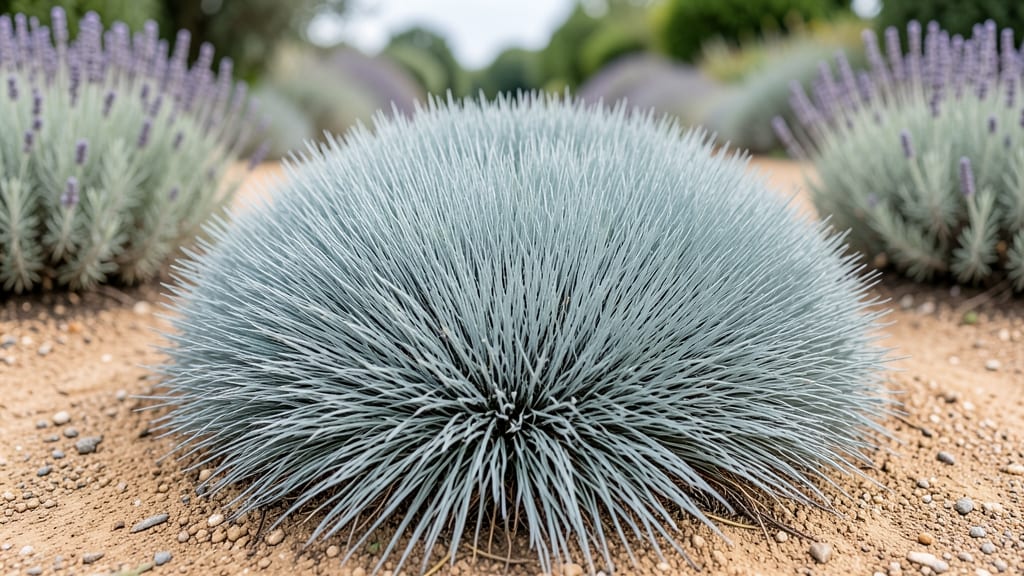
A blue fescue lawn transforms your yard into a lush, drought-resistant carpet that stays vibrant even when neighbors' grass turns brown. 🌿 I've seen it thrive in my own backyard—soft underfoot, resilient through heatwaves, and requiring half the water of Kentucky bluegrass.
The secret lies in its deep roots and fine texture, which outperform common lawn grasses in most climates. You'll need well-draining soil, a sunny spot (at least 6 hours of light daily), and patience—blue fescue establishes slower than cool-season grasses but pays off with year-round color and minimal maintenance.
The upfront work (prepping soil, proper seeding) ensures it outcompetes weeds naturally over time. Once established, you'll mow less frequently (every 3-4 weeks) and water deeply just once a week in summer. The result?
A lawn that stays green through droughts, recovers from foot traffic faster, and requires no fertilizer after the first year. Perfect for busy homeowners, eco-conscious gardeners, or anyone tired of fighting weeds and brown patches. Let's get your yard looking effortlessly green.
📚 In This Guide
- What you need
- Instructions
- Tips and common mistakes
- Wrapping up and next steps
What you need
- ● Blue Fescue Grass Seed: 10–15 lbs per 1,000 sq. ft. (choose a fine fescue blend for best results).
- ● Lawn Soil Test Kit: To check pH (aim for 6.0–7.0; blue fescue thrives in slightly acidic soil).
- ○ Topsoil or Compost: 2–3 inches of high-quality topsoil or compost to amend existing soil (optional if soil is already fertile).
- ● Rake (Bow or Leaf Rake): For leveling and preparing the seedbed.
- ● Broadcast Spreader: Evenly distributes seed (manual or electric).
- ● Watering System: Sprinkler or hose with a gentle spray nozzle (avoid high pressure).
- ● Fertilizer: Slow-release, low-nitrogen fertilizer (e.g., 10-10-10 or organic options like composted manure).
- ● Straw or Mulch: Light layer (¼ inch) to protect seeds from birds and erosion.
- ● Soil Conditioner: Gypsum or lime to adjust pH if needed.
- ● Lawn Roller: Lightweight to press seed into soil (skip if soil is loose).
- ● Weed Barrier Fabric: For areas with persistent weeds (lay before seeding).
- ● Organic Mulch: Pine straw or shredded leaves for extra moisture retention.
- ● Lawn Thermometer: Monitor soil temperature (ideal seeding temp: 50–75°F).
How to establish a lush blue fescue lawn
Here’s the straightforward approach I’ve used to create vibrant, drought-tolerant blue fescue lawns that stay green year-round with minimal effort.
🌱 Step 1: Prepare the Soil for Optimal Growth
Blue fescue thrives in well-draining soil with a slightly acidic to neutral pH (6.0–7.0). Start by removing all existing vegetation, debris, and rocks from your lawn area. Use a broadfork or tiller to loosen the top 6 inches of soil—this improves aeration and root penetration without compacting the soil further.
Work in 2–3 inches of compost or aged manure to enrich the soil naturally. Avoid heavy amendments like peat moss, which can make the soil too acidic. Test your soil’s pH using a home kit; if it’s below 6.0, add dolomitic lime to raise it gradually. Water the area lightly after amending to help nutrients settle into the soil profile.
☀️ Step 2: Choose the Right Time and Planting Method
Plant blue fescue in early spring or early fall when temperatures are mild (50–70°F). This timing ensures seeds germinate before extreme heat or cold sets in. For best coverage, use a slit seeder to plant seeds at a depth of ¼ inch, spacing them ½ inch apart in rows 6–8 inches apart. If using a broadcast spreader, apply seeds evenly and lightly rake them into the soil to ensure good soil contact.
I like to overseed existing lawns in late summer to fill in thin spots. Just mow the area short, remove thatch, and follow the same seeding process. Water gently afterward to prevent seeds from washing away. Keep the soil consistently moist but not soggy until germination, which typically takes 10–21 days depending on conditions.
💧 Step 3: Water Consistently for Strong Establishment
Blue fescue has shallow roots, so consistent moisture is critical during the first 4–6 weeks after planting. Water lightly twice daily—early morning and late afternoon—to keep the top 1–2 inches of soil evenly moist. Avoid deep watering, which can encourage shallow root growth. Once the grass reaches 3 inches tall, reduce watering to 1–1.5 inches per week, including rainfall.
Here’s the thing—overwatering is a common mistake. You’ll know moisture is right when the soil feels damp 1 inch below the surface but not saturated. If the grass starts to yellow or wilt, it’s a sign of either underwatering or poor drainage. Adjust your schedule based on weather; hot, dry spells may require more frequent watering, while cool, rainy periods can reduce the need.
✂️ Step 4: Mow and Maintain for a Healthy Lawn
Wait to mow until the blue fescue reaches 3–4 inches tall, then set your mower blade to 2–3 inches for the first cut. Never remove more than ⅓ of the grass blade at once—this prevents stress and promotes deeper root growth. I mow when the grass is dry to avoid clumping, and I always sharpen my mower blades to prevent tearing the grass, which invites disease.
Fertilize lightly in early spring with a slow-release, low-nitrogen fertilizer (5–10–10 ratio). Blue fescue doesn’t need much—over-fertilizing leads to weak growth and thatch buildup. In fall, apply a thin layer of compost to replenish nutrients naturally. Avoid herbicides; blue fescue is sensitive to chemicals and may brown or die if exposed to them.
🌿 Step 5: Overwinter and Prepare for Next Season
Blue fescue stays green in winter but may turn brown in freezing temperatures—this is normal and not a sign of poor health. Avoid walking on the lawn when it’s frozen or snow-covered, as this can compact the soil and damage roots. In late winter, rake away any thatch or debris that accumulated over the season to improve airflow and prevent fungal issues.
Before the next growing season, aerate the lawn in early spring if the soil feels compacted. Use a core aerator to pull out small soil plugs, then top-dress with a thin layer of compost. This step rejuvenates the soil and encourages strong root growth. With minimal care, your blue fescue lawn will reward you with lush, year-round greenery that’s resilient against drought and foot traffic.
Tips & tricks for perfect blue fescue lawn establishment
Between us, the difference between a mediocre lawn and one that turns heads often comes down to these overlooked details.
Soil Prep Precision: When loosening that top 6 inches of soil in Step 1, focus on breaking up compacted layers without disturbing the deeper soil structure. I use a broadfork because it aerates without creating the deep furrows a tiller can leave—those can actually hinder root growth. After adding your 2–3 inches of compost, lightly water to help nutrients penetrate, but avoid heavy watering that could wash amendments away. The goal is to create a loose, crumbly texture that mimics natural soil conditions.
Timing Secret: The 10–21 day germination window in Step 2 can feel like an eternity, but consistency is key. I set up a simple moisture alarm by burying a wooden stake in the soil—when I can pull it out and the surrounding soil clings slightly, I know the moisture level is perfect. If germination takes longer than 21 days, check for moisture stress or uneven seed coverage. Remember, blue fescue seeds are tiny—don't be tempted to overseed beyond the recommended spacing, or you'll create competition between plants.
Watering Wisdom: That 1–1.5 inches per week after establishment might seem like a lot, but it's crucial for drought resistance. I measure rainfall with a simple rain gauge (just a clear container with measurement lines) to avoid over- or under-watering. For the critical 4–6 week establishment period, I water in the early morning so the grass has all day to dry slightly—this prevents fungal issues. The "damp 1 inch below surface" test is your best friend here; use a screwdriver to check moisture levels if you're unsure.
Mowing Mastery: The 2–3 inch height recommendation in Step 4 isn't just about looks—it's about resilience. I adjust my mower blade height seasonally: higher in summer to protect roots from heat stress, slightly lower in spring to encourage density. Never cut more than ⅓ of the blade at once, and always mow when the grass is dry to prevent clumping. A sharp blade makes all the difference—dull blades tear grass, creating entry points for disease. I sharpen mine every 20–30 hours of use during growing season.
Pro Tips for Blue Fescue Lawn
- Between us, the difference between a mediocre lawn and one that turns heads often comes down to these overlooked details.
- Soil Prep Precision: When loosening that top 6 inches of soil in Step 1, focus on breaking up compacted layers without disturbing the deeper soil structure.
- Timing Secret: The 10–21 day germination window in Step 2 can feel like an eternity, but consistency is key.
Frequently asked questions
Is blue fescue grass really low-maintenance?
Unlike thirsty Kentucky bluegrass, blue fescue thrives on half the water and requires minimal mowing (leave it at 3–4 inches). It’s drought-resistant, pest-proof, and stays green in winter—perfect for busy homeowners or eco-conscious gardeners. Just mow once every 4–6 weeks in growing season.
When is the best time to plant blue fescue?
For fastest establishment, plant in early fall (September–October) or late spring (April–May). Cool soil temps help roots grow deep before summer heat. Avoid planting in extreme heat—seedlings can dry out. Pro tip: Water lightly daily until germination (7–14 days), then taper to deep, infrequent watering.
How often should I water a new blue fescue lawn?
New grass needs 1–1.5 inches of water per week (including rain). Once established (after 6–12 months), water deeply 1–2 times per week during dry spells. Never water lightly daily—this encourages shallow roots. Early morning watering (4–8 AM) prevents fungal issues.
Can I mix blue fescue with other grasses?
Yes! Blue fescue blends beautifully with fine fescue or creeping red fescue for texture and density. Avoid mixing with cool-season grasses like Kentucky bluegrass—they have different care needs and can outcompete your fescue. For a natural look, stick to 100% fine fescue blends or add clover for pollinator-friendly ground cover.
What pests or diseases should I watch for in blue fescue?
Blue fescue is naturally resistant to most pests, but watch for grubs (treat with milky spore bacteria) or fungal browning (from overwatering). If you see thin patches, aerate in fall and overseed. No herbicides needed! Avoid synthetic fertilizers—use slow-release organic options (like compost tea) for best results.
Will blue fescue stay green in winter?
Yes! Unlike many grasses, blue fescue stays green in mild winters and turns a soft gray-green in frost. It doesn’t go dormant like other cool-season grasses, so you’ll still have color when others are brown. In harsh winters (below 10°F), it may brown but bounces back with spring rains.
Wrapping up and next steps
A blue fescue lawn isn’t just a dream—it’s a low-maintenance reality that brings year-round beauty to your yard! 🌿 With its drought tolerance, shade adaptability, and minimal care needs, this grass is perfect for busy homeowners who still want a lush, green space.
Whether you’re tackling it yourself or hiring help, the key is consistency and patience.
Ready to transform your lawn? Start small—test a patch, adjust your approach, and watch your blue fescue thrive. Before you know it, you’ll have a stunning, eco-friendly lawn that’s the envy of the neighborhood! Get started today →