
Lawn
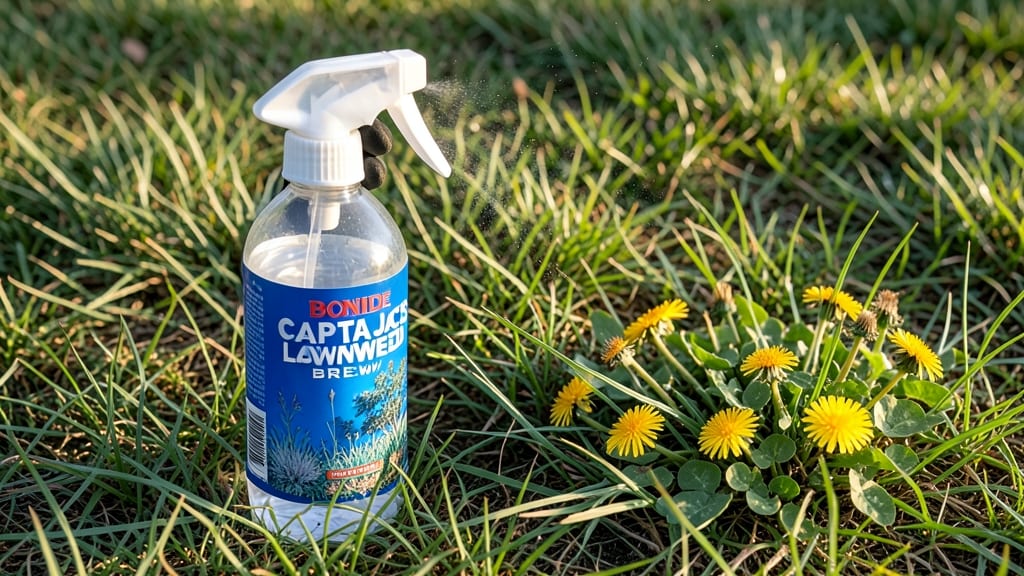
Bonide Captain Jack’s Lawnweed Brew isn’t just another weed killer—it’s the fast-acting, organic solution that finally gave me control over my stubborn crabgrass and clover. 🌱 The secret lies in its concentrated formula, designed to work within 24 hours without harsh chemicals that harm your lawn. What sets this apart is how versatile it is: spray it on weeds in driveways, sidewalks, or even garden beds. Just mix it with water, apply on a dry, sunny day, and watch those weeds wither by evening. The key is timing—apply when weeds are actively growing, not after a drought or heavy rain. You’ll notice results almost immediately, but for tough patches, a second application in 7-10 days ensures complete eradication. The best part? Your grass stays unharmed, and the formula breaks down naturally, leaving no residue. For even better results, pair it with regular lawn maintenance—mowing high, overseeding bare spots, and keeping soil healthy. This isn’t just a quick fix; it’s a long-term strategy for a weed-free lawn.
📚 In This Guide
- What you need
- Instructions
- Tips and common mistakes
- Wrapping up and next steps
What you need
- ● Bonide Captain Jack’s Lawnweed Brew Concentrate – 1 gallon (3.8L) ready-to-use concentrate (or 2-3 quarts if using the concentrate formula).
- ● Garden sprayer – A 1- to 3-gallon pump or backpack sprayer (choose one with a 0.5–1.0 GPM nozzle for precision).
- ● Water – 1 gallon (3.8L) per 100 sq. ft. (adjust based on sprayer capacity).
- ● Protective gear: Nitrile gloves (waterproof, military-grade recommended).
- ● Long-sleeve shirt and pants (to avoid skin contact).
- ● Safety goggles (for eye protection).
- ● Measuring cup or scale – For precise dilution (if using concentrate).
- ● Weather check – Clear, calm conditions (no rain for 24–48 hours after application).
- ● Spray nozzle attachments – Adjustable or cone tips for targeted spraying (e.g., flat-fan or stream for tough weeds).
- ● Spray shield or cardboard – To protect nearby plants or hardscapes.
- ● Marking spray or flags – To tag treated areas and avoid reapplication.
- ● Dust mask – If working in windy conditions (to avoid inhaling spray mist).
- ● Lawn calculator app – To measure treatment areas accurately before mixing.
Step-by-step instructions for mixing Bonide Captain Jack's Lawnweed Brew
Here's how to whip up this potent weed killer—fast, effective, and ready to tackle stubborn weeds in hours.
🌱 Step 1: Gather Your Supplies and Prep the Area
Start by collecting your Bonide Captain Jack's Lawnweed Brew concentrate, a clean spray bottle or pump sprayer, and protective gear (gloves, long sleeves, and safety goggles). This isn’t just about mixing—it’s about safety first. I always work on a clear, dry day when winds are calm, so the spray stays where it’s supposed to go.
Before you even think about mixing, clear the area of any desirable plants, pets, or children. Weeds are the target here, and this stuff doesn’t discriminate. Lay down a tarp or newspaper around the edges of your treatment zone to catch any accidental overspray. Trust me, you’ll thank yourself later when you’re not scrubbing paint off your patio furniture.
💧 Step 2: Mix the Concentrate According to Label Directions
The Bonide Captain Jack's Lawnweed Brew label is your bible here—follow the mix ratio precisely. Typically, it’s about 2-4 tablespoons of concentrate per gallon of water, but double-check because formulations can vary slightly. I like to measure my concentrate into a small cup first to avoid spills, then pour it into my sprayer.
Fill your sprayer with warm water (not boiling, just slightly above room temperature) to help the concentrate dissolve faster. Shake it vigorously for 30 seconds to ensure everything is fully mixed. A quick test spray on a scrap of cardboard will tell you if the solution is ready—if it sprays evenly without clumps, you’re good to go.
☀️ Step 3: Apply the Solution Directly to Weeds
Now for the critical part: targeted application. Fill your sprayer and get ready to work methodically. Focus on directly coating the leaves and stems of the weeds—avoid overspray on grass or other plants. I like to start with a light mist to cover the entire weed, then go back over the worst spots with a heavier application.
Watch the weather—apply this in the early morning or late afternoon when temperatures are cooler. Direct sunlight can cause the solution to evaporate too quickly, reducing its effectiveness. You’ll see the weeds wilting within hours, but give them 24 hours to fully absorb the treatment before expecting them to die back completely.
✂️ Step 4: Monitor and Retreat if Necessary
After 24 hours, check your treated weeds. Most should be yellowing or crisping up, but some stubborn weeds might need a second round. If you see any survivors, apply another coat—just make sure to wait at least 48 hours between treatments to avoid damaging your lawn.
Once the weeds are fully dead, rake them up or pull them out to prevent reseeding. I’ve found that treating weeds at their youngest stages (when they’re just sprouting) makes the job easier and faster. If you’re dealing with a thick mat of established weeds, you might need to repeat the process every 7-10 days until the area is clear.
Tips & tricks for perfect lawnweed elimination
Between us, the secret to making this weed killer work like a charm lies in the details—especially when it comes to precision and timing. Here's what I've learned after tackling some seriously stubborn weed patches:
Precision Mixing: Those 2-4 tablespoons per gallon are critical—don't eyeball it! I measure my concentrate into a small disposable cup first, then transfer it to the sprayer. This prevents spills and ensures you're using exactly what the label recommends. Remember, too much concentrate can harm your lawn, while too little might leave weeds fighting for survival.
Weather Timing Secret: The 24-hour absorption window is your friend, but only if you apply it right. Early morning applications (before 9 AM) give the solution time to soak in without evaporating in the midday sun. If you must spray in the afternoon, do it by 4 PM at the latest. Pro tip: Check the weather forecast—humidity helps the solution cling to weeds longer.
Targeted Application Technique: When you're coating those weeds in Step 3, think "less is more" for the first pass. Start with a light mist to cover the entire plant, then go back over stubborn spots with a heavier application. This two-step method prevents overspray while ensuring complete coverage. I use a piece of cardboard as a shield when working near desirable plants—it's my secret weapon for clean edges.
Follow-Up Strategy: That 48-hour wait between treatments is non-negotiable if you're dealing with tough weeds. I've seen some gardeners rush this step and end up with patchy results. Mark your calendar or set a phone reminder—consistency is key. For really stubborn weeds, I've found that treating them at their youngest stages (when they're just sprouting) requires fewer applications overall.
Pro Tips for Bonide Captain Jack'S Lawnweed Brew
- Between us, the secret to making this weed killer work like a charm lies in the details—especially when it comes to p...
- Precision Mixing: Those 2-4 tablespoons per gallon are critical—don't eyeball it! I measure my concentrate into a sma...
- Weather Timing Secret: The 24-hour absorption window is your friend, but only if you apply it right. Early morning ap...
Frequently asked questions
How long does it take to see results after applying Lawnweed Brew?
Captain Jack’s Lawnweed Brew works fast! Most weeds start wilting within 24–48 hours, and dead weeds typically turn brown and crispy in 3–7 days, depending on the weed type and weather. For stubborn weeds, reapply after 7 days if needed.
Can I use this on my entire lawn, or just spot-treat?
This herbicide is safe for spot-treating weeds in lawns, gardens, and driveways—but read the label carefully! Avoid overspray on desirable plants, as it can kill grass too. For large areas, consider a broadcast spreader for even coverage. Always follow mixing and application instructions to prevent damage.
What’s the best time of day to apply Lawnweed Brew?
Apply when weeds are actively growing and the forecast calls for dry, calm conditions for at least 24 hours. Early morning (before 10 AM) or late afternoon (after 4 PM) is ideal to minimize evaporation and reduce harm to pets or kids. Avoid applying if rain is expected soon!
Will this kill grass, or is it safe for my lawn?
Captain Jack’s Lawnweed Brew is selective for broadleaf weeds and won’t harm cool-season grasses (like fescue or bluegrass) when used as directed. However, always test a small patch first to ensure compatibility. For warm-season grasses (like Bermuda), check the label—some formulations may require caution.
What should I do if pets or kids come into contact with treated areas?
While Lawnweed Brew is low-toxicity once dry, keep pets and kids off treated areas for 24–48 hours or until the product is fully absorbed. If accidental exposure occurs, rinse the area with water and contact Poison Control or a vet if irritation persists. Always store the product securely and out of reach!
Are there any weeds this won’t kill? What’s the best alternative?
Lawnweed Brew works best on broadleaf weeds (like dandelions, clover, and chickweed). For grassy weeds (e.g., crabgrass) or tough perennial roots, consider a pre-emergent herbicide or a vinegar-based solution (for non-lawn areas). For persistent weeds, a follow-up treatment may be needed.
Wrapping up and next steps
Ready to reclaim your lawn from those pesky weeds with Bonide Captain Jack’s Lawnweed Brew? This powerful, fast-acting solution delivers visible results in just 24 hours—no harsh chemicals required. Whether you’re tackling crabgrass, dandelions, or clover, this recipe is your secret weapon for a lush, weed-free yard.
Take the next step: mix up a batch, apply it confidently, and watch your lawn transform. Happy gardening! 🌱✨