
Plants
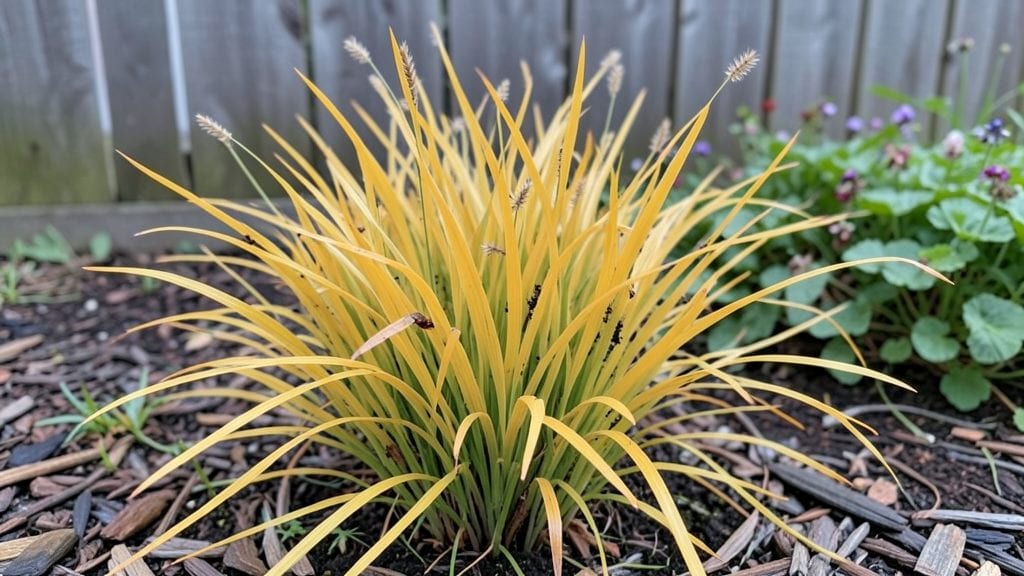
Creating a braided ornamental grass design transforms any garden into a dynamic, textured masterpiece with effortless elegance.
Imagine a garden that moves with the breeze, where cascading layers of 🌿 braid ornamental grass sway like a living tapestry. This isn’t just decoration—it’s a game-changer for adding movement, texture, and year-round interest to your outdoor space.
Whether you’re lining a pathway, framing a flower bed, or filling a container, braided grasses like Pennisetum or Miscanthus bring structure and rhythm to your design. The best part? They’re low-maintenance and thrive in USDA Zone 6a, making them perfect for spring planting.
In this guide, I’ll walk you through placement ideas, plant pairings, and seasonal care tips to keep your braided grasses looking lush and intentional all year.
How to create stunning braided ornamental grass designs in landscapes
Braided ornamental grasses add an artistic, textured dimension to any garden space. Unlike traditional hedges, these grasses create dynamic movement and seasonal interest with minimal effort. Whether you're designing a container garden or a groundcover border, the braided technique transforms ordinary grasses into a living sculpture.
The key lies in selecting the right grass varieties and mastering the braiding process for long-lasting structure.
I’ve experimented with several grasses in my own garden, and the results are breathtaking. Carex oshimensis (evergreen sedge) and Miscanthus sinensis (feather reed grass) are two of my favorites—they hold their braided shape beautifully while adding year-round texture.
The secret? Proper plant spacing, supportive structures, and seasonal maintenance. Let’s dive into the step-by-step process to create your own stunning braided grass designs.
Step-by-Step Braided Ornamental Grass Guide
- Select the right grasses: Choose flexible, upright varieties like Carex oshimensis (1–2 ft tall) or Miscanthus sinensis (4–6 ft tall). Avoid grasses with thick, woody stems—they won’t braid well.
- Prepare the planting site: Amend soil with organic compost for drainage. Space plants 18–24 inches apart in rows for easier braiding access.
- Plant in early spring or fall: Dig holes twice as wide as the root ball. Water deeply to settle soil before braiding.
- Install support stakes: Drive bamboo stakes (3–4 ft tall) into the ground 6–12 inches behind each plant. Secure with soft garden twine to avoid damaging stems.
- Braid the stems: Gently weave 3–5 stems together in a three-strand braid, tying them loosely at the base. Space braids 4–6 inches apart for a full look.
- Secure with twine: Wrap twine around the bottom third of the braid, leaving the top free to sway. Trim any stray stems to maintain shape.
- Water thoroughly: Deep-water after braiding to encourage root establishment. Mulch with 2–3 inches of shredded bark to retain moisture.
- Monitor growth: Check braids monthly for loosening. Retighten twine in early summer and fall to maintain structure.
For container designs, use shallow, wide pots (18–24 inches in diameter) with drainage holes. Plant 3–5 grasses per container and braid them together over a hidden support grid (like a wire cage).
This creates a spiller effect that cascades elegantly over edges. I love using terracotta pots for a rustic look or glazed ceramic for a modern touch.
When placing braided grasses in landscape beds, consider their mature height and spread. Tall varieties like Miscanthus work beautifully as backdrop plants, while shorter grasses like Carex excel in border designs.
Pair them with complementary perennials—think purple coneflowers or silver foliage plants—to enhance their visual impact. The contrast between the grass’s texture and the flower’s color creates a stunning focal point.
One of my favorite designs is a braided grass archway. To create this, plant three rows of grasses (each braided separately) along a curved line. Install arch-shaped trellises between the rows and weave the braids through them.
This adds height and drama to pathways or garden entrances. For a low-maintenance option, use drought-tolerant grasses like Stipa tenuissima (feather grass), which thrives in hot, dry climates while requiring minimal water.
Seasonal care is essential to keep your braided grasses looking their best. In spring, trim any dead foliage from winter but avoid cutting live growth. During summer, water deeply once a week to prevent browning, especially in full-sun locations.
In fall, leave the seed heads for winter interest (unless they look messy), and in winter, protect young plants with mulch in colder climates (USDA Zones 5–7).
If your braids start to loosen over time, don’t worry—it’s normal! Simply retighten the twine in early spring or after heavy rains. For long-term structure, consider replacing stakes every 2–3 years or switching to hidden plastic supports that blend into the landscape.
With the right care, your braided grasses will remain lush and architectural for years, becoming the star of your garden.
🌿
Best braid ornamental grass varieties for texture and year-round interest
Braid ornamental grasses add dynamic movement and textural contrast to any garden design. Their arching forms create a living tapestry that dances in the breeze, offering visual interest from spring through winter.
The key to success lies in selecting the right varieties that thrive in your light conditions and maintenance preferences.
Not all ornamental grasses braid equally—some varieties have narrower blades or softer stems, making them ideal for intricate braiding. Others offer bold colors like deep burgundy or golden hues that elevate seasonal interest.
Whether you need sun-loving powerhouses or shade-tolerant beauties, the right choice transforms your garden into a year-round masterpiece.
🌿 comparison table
For sunny gardens, Miscanthus sinensis and Pennisetum alopecuroides are my top picks—their bold colors and arching forms create dramatic focal points. In shadier spots, Carex oshimensis and Hakonechloa macra thrive, offering year-round greenery with minimal effort.
The silvery-blue Stipa tenuissima is perfect for drought-prone areas and adds a whimsical texture that contrasts beautifully with darker foliage.
When braiding, prioritize varieties with flexible stems and narrow blades—these traits make the process easier and yield tighter, longer-lasting designs. Start with 3-5 plants of the same variety to create a cohesive look, and consider pairing tall grasses with shorter perennials to frame your braided masterpiece.
For example, a Miscanthus braid planted alongside heuchera or hostas adds layers of color and texture.
Low-maintenance lovers will appreciate evergreen varieties like Carex oshimensis, which require almost no winter care and stay lush year-round. If you're willing to put in a little extra effort, Miscanthus varieties reward you with stunning seed heads that persist through winter.
Always cut back dead foliage in early spring to encourage fresh growth and maintain a tidy appearance.
Pro tip: Use garden shears to trim braided grasses to your desired length before winter—this prevents flopping and keeps your design looking intentional. With the right variety and a little creativity, your braided ornamental grasses will be the showstopper