
Plants
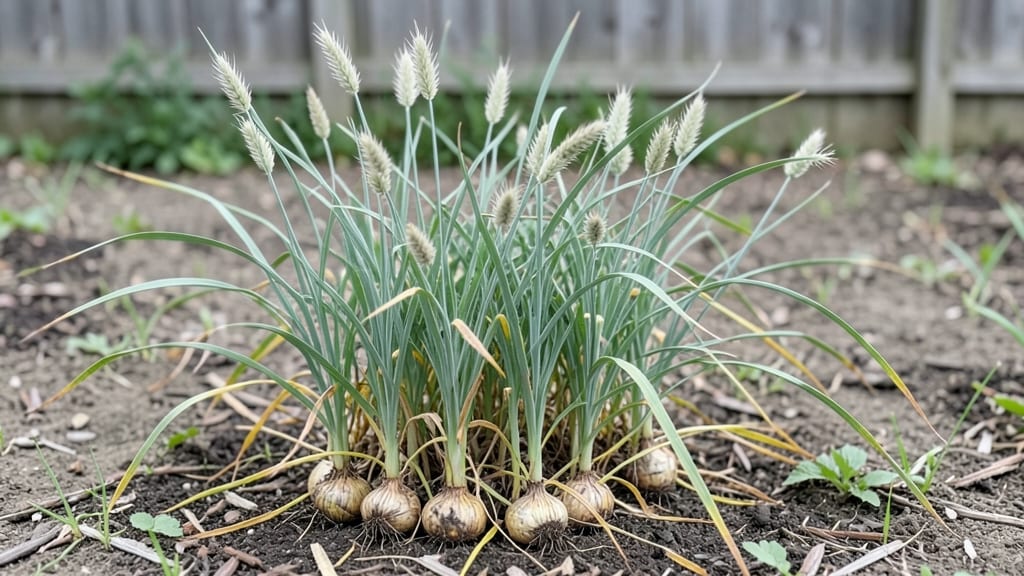
Bulbous oat grass 🌾 is the unsung hero of drought-tolerant gardens, offering lush texture without the fuss of high-maintenance borders.
If you're tired of watching traditional edging plants wilt under the summer sun or struggle with invasive roots, this hardy perennial delivers year-round greenery with almost no effort. It thrives in USDA Zone 6a and beyond, making it perfect for those who want beauty without the constant upkeep.
What makes bulbous oat grass stand out? It grows 3 feet tall with minimal care, handles poor soil like a champ, and even helps control erosion.
Whether you're framing a path or softening a slope, this grass brings structure and movement to your landscape—all while drinking far less water than most plants.
In this guide, I’ll walk you through everything from planting in late summer to keeping it looking its best, so you can enjoy a garden edge that’s as resilient as it is stunning.
Why bulbous oat grass excels as drought-tolerant ornamental edging
Bulbous oat grass (Helictotrichon sempervirens) stands out as a top choice for drought-prone gardens because of its natural resilience and low-water needs. Unlike traditional edging plants like boxwood or juniper, it thrives in USDA zones 6-9 with minimal care, making it ideal for arid climates and water-restricted landscapes. Its tussock-forming habit creates a soft, textured border that moves gracefully in the breeze, adding movement to still garden spaces.
What truly sets bulbous oat grass apart is its ability to survive prolonged dry spells without browning or dying back. While many ornamental grasses struggle in high-heat conditions, this variety maintains its vibrant green color and compact form even when rainfall is scarce.
Its deep root system accesses moisture deep in the soil, reducing competition with nearby plants.
This perennial grass also outperforms traditional edging in terms of maintenance requirements. Unlike boxwood hedges that need frequent trimming or lavender that requires precise watering, bulbous oat grass grows slowly but steadily, reaching 2-3 feet tall over 2-3 years.
Its clump-forming growth naturally fills gaps, eliminating the need for constant pruning.
Another advantage is its adaptability to poor soil. While it prefers well-draining soil, it tolerates sandy or rocky conditions where many ornamental plants fail. This makes it perfect for sloped gardens or areas with compacted soil, where water runoff is a concern.
Even in urban environments with polluted air, this grass maintains its vigor.
Seasonally, bulbous oat grass delivers year-round interest. In spring and summer, its arching foliage creates a lush green backdrop for flowers, while in fall and winter, it develops wheat-like seed heads that add textural contrast to the garden.
Unlike many grasses that turn brown in winter, it often retains green hues until late fall.
For gardeners in drought-prone regions, this grass also reduces irrigation demands by up to 50% compared to traditional edging plants. Its efficient water use makes it a sustainable choice for xeriscaping projects or water-wise landscapes.
Even during heatwaves, it recovers quickly after rainfall, unlike succulents that may scorch.
Let’s break down why bulbous oat grass outperforms other edging options in a drought-resistant comparison:
To maximize its drought resilience, plant bulbous oat grass in full sun (6+ hours daily) where it can develop stronger root systems. Mulch around the base with 2-3 inches of organic mulch to retain moisture and suppress weeds.
In extreme heat, a light morning watering encourages deeper root growth, while afternoon watering can promote fungal issues.
One of my favorite design tips is pairing bulbous oat grass with drought-tolerant perennials like Russian sage or black-eyed Susan. The soft texture of the grass contrasts beautifully with the bold foliage of these plants, creating a low-maintenance border that thrives in hot, dry conditions.
Even in container gardens, it adds vertical interest without requiring frequent repotting.
For gardeners in coastal areas, bulbous oat grass also handles salty air better than many ornamental grasses, making it ideal for seaside landscapes
How to plant and maintain bulbous oat grass for maximum impact
Transforming your garden edges into a lush, low-maintenance landscape starts with bulbous oat grass. This ornamental grass thrives in drought conditions and offers year-round texture. The key to its success lies in proper planting techniques and seasonal care.
Whether you're lining a pathway or softening a border, these steps will ensure your bulbous oat grass grows dense and vibrant.
Unlike high-maintenance alternatives, bulbous oat grass requires minimal intervention once established. However, the first year demands attention to soil preparation, spacing, and watering schedules. By following these guidelines, you'll create an ornamental edge that requires little upkeep while providing maximum visual impact.
Let's dive into the essential steps to plant and maintain this resilient perennial.
Step-by-Step Planting Guide
- Step 1: Choose the Right Location Select a spot with full sun exposure (6+ hours daily) and well-draining soil. Bulbous oat grass thrives in USDA zones 5-9 and tolerates poor soil better than most ornamental grasses.
- Step 2: Prepare the Soil Loosen the soil to a depth of 6-8 inches and amend with compost if your soil is heavy or clay-like. This improves drainage and encourages root growth.
- Step 3: Plant at the Correct Depth and Spacing Plant crowns or divisions 12-18 inches apart to allow for mature growth. The crown should sit just below soil level to prevent rot while ensuring roots establish properly.
- Step 4: Water Deeply After Planting Soak the soil thoroughly to encourage root establishment. Aim for 1 inch of water per week during the first growing season, reducing to deep watering every 2-3 weeks once established.
- Step 5: Apply Mulch Spread a 2-inch layer of mulch around the base to retain moisture and suppress weeds. Use organic mulch like straw or shredded bark for best results.
After planting, the first year focuses on establishing a strong root system. Pruning techniques play a crucial role in shaping your bulbous oat grass and preventing overgrowth. In early spring, trim back any dead foliage to encourage new growth.
Avoid cutting more than one-third of the plant at a time to maintain its natural form.
During the growing season, monitor for signs of overgrowth or pests. If your grass spreads too aggressively, divide clumps every 3-4 years to rejuvenate growth.
This also allows you to share plants with fellow gardeners! Regularly check for fungal diseases like rust, which can appear as orange spots on leaves.
In late fall, cut back the foliage to 2-3 inches above the ground. This helps protect the plant during winter and promotes fresh growth in spring. Bulbous oat grass is incredibly hardy and requires minimal winter care, making it ideal for gardeners in colder climates.
With its drought tolerance and low-maintenance nature, bulbous oat grass is a game-changer for garden edges. By following these steps, you'll create a stunning, resilient border that thrives with minimal effort. Once established, enjoy the movement and texture it brings to your outdoor space all year round! 🌿