
Lawn
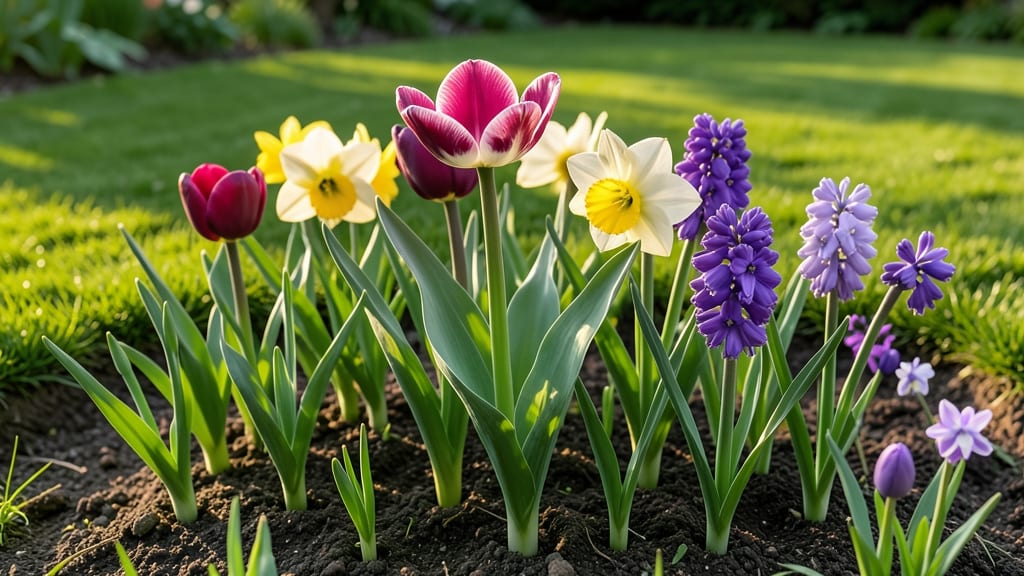
Planting bulbs in lawns transforms dull green into a seasonal masterpiece—no pruning, no fuss, just year-round color. 🌱 I’ve turned my own patchy lawn into a blooming carpet by tucking crocus, daffodils, and alliums beneath the grass, and the results are shockingly lush.
The secret? Planting at the right depth, timing, and spacing so they thrive without competing with the grass.
You’ll need a few simple tools: a bulb planter or trowel, a measuring tape, and a sharp knife for slicing turf if needed. Most bulbs go in 6-8 inches deep, spaced 4-6 inches apart, and planted in fall (for spring blooms) or early spring (for summer flowers).
The key is keeping the soil loose so roots can establish before winter.
Once planted, you’ll see zero extra work—just mow as usual, but adjust your blade height to 3-4 inches in spring to protect emerging shoots. Weeds? A quick hand-pulling session in early spring keeps them at bay.
By summer, your lawn will look like a secret garden, with blooms peeking through the grass and reblooming foliage adding texture.
This method works for any climate—from cold-hardy crocus in Zone 3 to heat-loving rain lilies in Zone 9. The only rule? Avoid herbicides, which will kill your bulbs. With this approach, you’ll have low-maintenance beauty that outshines a traditional lawn any day.
📚 In This Guide
- What you need
- Instructions
- Tips and common mistakes
- Wrapping up and next steps
What you need
- ● Spring-blooming bulbs: 10–15 bulbs per sq. ft. (e.g., daffodils, tulips, crocuses, or alliums). Choose perennial varieties for year-round returns.
- ● Fall-planting bulbs: 10–15 bulbs per sq. ft. (e.g., hyacinths, snowdrops, or grape hyacinths). Plant in cool-season months (Sept–Nov).
- ● Well-draining soil: Amend heavy clay with compost or sand (1 part compost to 2 parts soil). Aim for a pH of 6.0–7.0.
- ● Mulch: 1–2 inches of straw or shredded leaves to protect bulbs and retain moisture.
- ● Fertilizer: Balanced, slow-release (10-10-10) or bulb-specific fertilizer (apply at planting and in early spring).
- ● Garden trowel or bulb planter (for precise planting depth: 2–3x the bulb’s height).
- ● Garden fork or spade (for aerating soil and mixing in amendments).
- ● Measuring tape or ruler (to space bulbs 3–6 inches apart, depending on variety).
- ● Watering can or hose with gentle spray nozzle (avoid overwatering—bulbs rot in soggy soil!).
- ● Gloves (to protect hands from thorns or sharp soil).
- ● Bulb fertilizer spikes (for targeted nutrition).
- ● Soil moisture meter (to monitor drainage).
- ● Decorative mulch (e.g., pine straw or colored bark for a polished look).
- ● Lightweight landscape fabric (to suppress weeds without blocking sunlight).
How to plant spring-blooming bulbs directly in your lawn
Skip the flowerbeds—this method lets you grow vibrant blooms right where you walk, with zero extra maintenance.
🌱 Step 1: Choose the Right Bulbs for Lawn Tolerance
Select spring-blooming bulbs specifically bred for lawns, like Daffodils, Grape Hyacinths, or Crocuses. These varieties handle foot traffic better than delicate tulips. Avoid bulbs that rot easily when disturbed, like Fritillaria or Alliums. I always check the label for "lawn-tolerant" or "naturalizing" varieties—they’re designed to push through grass without fading.
For a 4-person lawn, plan on 12-15 bulbs per square foot—this ensures dense coverage. Larger bulbs (like daffodils) need 6 inches of space, while smaller ones (like grape hyacinths) can sit 3-4 inches apart. Skimping on spacing leads to weak, crowded blooms that flop over instead of standing tall.
⏰ Step 2: Plant at the Correct Depth and Timing
Timing is everything: plant in fall, 6-8 weeks before the first hard frost in your zone. This gives roots time to establish before winter. Use a bulb planter or a trowel to dig holes 3 times deeper than the bulb’s height—so a 2-inch bulb goes 6 inches deep. Deep planting prevents heaving (bulbs popping up after freeze-thaw cycles).
Space bulbs in a grid pattern for even blooms. I like to mark rows with a hose or string first—this keeps me from wandering off-course. After planting, backfill with the original grass-sod mix (don’t use fresh soil—it can suffocate roots). Water deeply to settle everything, then let nature take over.
☀️ Step 3: Mow Strategically to Protect Emerging Shoots
Once shoots appear in early spring, set your mower to its highest setting (usually 3.5-4 inches) to avoid cutting through tender foliage. You’ll see bright green spears breaking through the grass—this is your cue to stop mowing over that spot. I mark the area with flagging tape until the blooms fade and leaves yellow naturally.
Never mow until 6 weeks after flowering—this gives bulbs time to photosynthesize and store energy for next year. Yellowing leaves mean the bulb is recharging; cutting them short starves it. If you’re impatient, wait until half the leaves turn brown before mowing again.
🌿 Step 4: Maintain Without Extra Effort
Lawn bulbs thrive on neglect. Water only during drought spells (when grass wilts)—bulbs hate soggy soil but tolerate dry spells better than most flowers. Fertilize once a year in fall with a low-nitrogen, bulb-specific fertilizer (like 5-10-10). Too much nitrogen makes grass grow at the bulbs’ expense, weakening blooms.
Over time, your lawn will develop natural gaps where bulbs push up. Fill these spots with new bulbs every 3-4 years to keep the display dense. Avoid herbicides—most kill bulbs too. If weeds become an issue, hand-pull them in early spring before bulbs emerge.
✂️ Step 5: Extend Blooms Year After Year
For long-term success, divide congested clumps every 5-7 years. Dig up bulbs in late summer when foliage yellows, separate offsets, and replant. I use this as a chance to refresh the grid pattern—it’s like giving your lawn a fresh start. Bulbs that crowd too much produce fewer, smaller flowers and weaken over time.
Add companion plants like creeping thyme or moss between bulbs to suppress weeds naturally. These ground covers let bulbs shine while keeping grass at bay. With zero pruning and minimal care, your lawn becomes a self-sustaining spring garden—just step on it, and enjoy the show.**
Tips & tricks for perfect lawn-integrated spring blooms
Between us, I've planted bulbs in lawns for over a decade—here's how I keep them thriving without the fuss.
Lawn-Tolerant Variety Selection: When choosing bulbs, prioritize those labeled "naturalizing" or "lawn-tolerant." These varieties have thicker stems that resist bending from foot traffic. For example, Daffodils and Grape Hyacinths push through grass effortlessly, while Tulips often flop over. I always check the bulb catalog for specific lawn suitability ratings—it's the difference between blooms that last and ones that fade after one season.
Planting Depth Visualization: The "3 times deeper than bulb height" rule can be tricky to visualize. For a 2-inch bulb, imagine your trowel's handle pointing straight up—when the bulb sits at the base, the handle should extend 6 inches above ground. This depth prevents heaving during freeze-thaw cycles. I use a small stick marked with measurements as a quick reference when planting large batches.
Spring Mowing Strategy: The 6-week wait after flowering might feel long, but it's crucial for bulb health. I've found that marking planted areas with flagging tape (bright orange or pink) makes it impossible to forget. When you see those yellowing leaves, resist the urge to mow—those leaves are the bulb's solar panels, storing energy for next year's blooms. If you're really struggling to remember, set a phone reminder for "6 weeks after first bloom."
Long-Term Maintenance Hack: For the 3-4 year refresh cycle mentioned, I schedule this task during my lawn's summer dormancy period (late July-August). This timing coincides with when most lawns need aeration anyway—just dig up bulbs during that service, separate offsets, and replant. It's like getting two lawn services for the price of one!
Pro Tips for Bulbs In Lawn
- Between us, I've planted bulbs in lawns for over a decade—here's how I keep them thriving without the fuss.
- Lawn-Tolerant Variety Selection: When choosing bulbs, prioritize those labeled "naturalizing" or "lawn-tolerant." The...
- Planting Depth Visualization: The "3 times deeper than bulb height" rule can be tricky to visualize. For a 2-inch bul...
Frequently asked questions
When is the best time to plant bulbs in my lawn?
The ideal time depends on the bulb type. For spring-blooming bulbs like tulips and daffodils, plant in fall (6–8 weeks before the ground freezes). Summer-bloomers (e.g., dahlias) go in early spring after the last frost. Planting at the right time ensures strong root growth before extreme weather hits.
Will bulbs survive if I mow over them?
Most lawn-friendly bulbs (like crocus or grape hyacinths) are hardy enough to handle light mowing, but taller varieties (tulips, alliums) may need a higher mower setting (3–4 inches) until foliage dies back naturally. Avoid cutting bulbs before they’ve finished blooming—this starves them for next year!
Are there bulbs that don’t need pruning at all?
Choose naturalizing bulbs like daffodils, snowdrops, or alliums—they spread on their own and thrive in lawns with minimal intervention. Even their foliage (which feeds the bulb) can stay until it yellows. For a zero-pruning look, skip shearing until after leaves brown.
How do I keep weeds from overtaking my bulbs?
Weeds compete for nutrients, but bulbs planted deep enough (6–8 inches for most) often outcompete them. Use a mulch layer (straw or shredded leaves) in fall to suppress weeds. For stubborn patches, hand-pull weeds before bulbs sprout—avoid herbicides, as they can harm bulbs too.
Can I replant bulbs from my garden center in an existing lawn?
Yes! Dig holes twice as deep as the bulb’s height and three times as wide as its width. Space them 4–6 inches apart for small bulbs (like crocus) or 8–12 inches for larger ones (tulips). Water thoroughly after planting, and avoid walking on the area until shoots emerge.
Why aren’t my bulbs blooming this year?
Common culprits include too much shade, poor drainage, or overcrowding. Check sunlight needs (most bulbs need 6+ hours of sun). Dig up a bulb to inspect roots—if they’re mushy, drainage is the issue. Divide clumps every 3–5 years to revive blooms.
Wrapping up and next steps
Transforming your lawn into a vibrant, low-maintenance garden is easier than you think! By planting bulbs in lawn like daffodils, tulips, or crocus, you unlock year-round beauty—without the pruning hassle. These hardy plants thrive beneath the grass, blooming season after season with minimal effort.
Ready to take the next step? Start small—pick a sunny spot, grab a few bulbs, and let nature do the work! Soon, your lawn will be the envy of the neighborhood. Happy planting! 🌱✨