
Pests
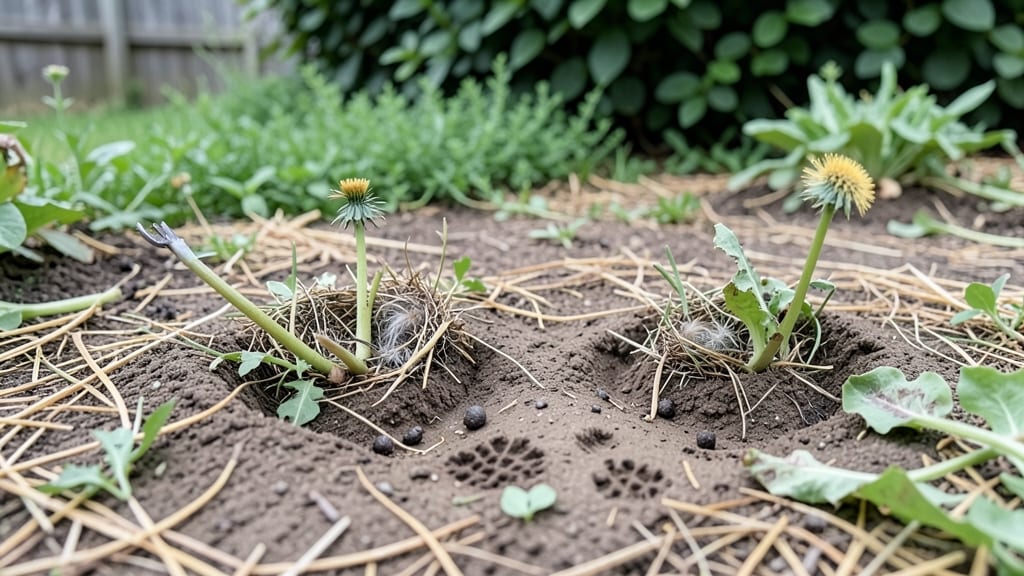
Finding bunny nests in your lawn is never fun—especially when they leave behind patchy grass and tiny tunnels. 🌿 I’ve dealt with this every spring, and the key is acting quickly but carefully so the bunnies stay safe while your lawn recovers.
The first step is spotting the signs: flattened grass, fresh droppings, and those telltale little burrows where the babies hide.
Most people panic and try to remove nests right away, but that can stress the mother rabbit, who may abandon her young. Instead, wait until dusk when the adults are less active, then gently relocate the nest to a brushier area of your yard or a wildlife-friendly spot.
Use a small shovel to lift the grass, not tear it, and avoid disturbing the babies more than necessary.
Once the nest is gone, focus on repairing the damage. Rake the area to smooth out the grass, then overseed with a mix of fast-growing grass seed.
To prevent future nests, keep your lawn mowed at 3 inches tall—rabbits prefer shorter grass—and consider adding mulch or ground cover around garden edges where they like to dig.
Timing matters too: spring and early summer are peak nesting seasons, so stay vigilant until fall. With the right approach, you can protect your lawn and the bunnies—no one has to lose. The goal is a healthy lawn and happy wildlife, not a war zone.
Understanding the Roots of Lawn Nesting
If you’ve spotted bunny nests tucked into your lawn, you’re not alone—many homeowners face this charming yet perplexing issue. But why do rabbits choose your yard as their cozy hideaway? The answer lies in a mix of instinct, environment, and human activity.
Let’s break down the key reasons behind this behavior, so you can address the root cause and protect your lawn.
🌿 Ideal habitat conditions
Rabbits are creatures of habit, and they prioritize safety, food, and shelter when selecting a nesting spot. Your lawn may unintentionally offer all three:
- Soft, grassy ground: Rabbits dig shallow nests (often just a few inches deep) in loose, well-aerated soil. Dense turf or hard-packed dirt makes digging difficult, but a lush, soft lawn is like a bunny’s dream.
- Abundant ground cover: Tall grass, clover, or weeds provide natural camouflage and insulation. If your lawn is overgrown or patchy, it signals to rabbits that it’s a low-risk area for predators.
- Proximity to food sources: Rabbits are herbivores, and a lawn with dandelions, clover, or other edible plants acts like an all-you-can-eat buffet. Even a small patch of "weeds" can attract them.
Actionable fix: Mow regularly (but not too short—leave grass 2-3 inches tall) and remove dense ground cover to reduce nesting appeal. 💡 Pro Tip: Consider planting rabbit-resistant ground covers like creeping thyme or moss in high-traffic areas.
🐇 Natural instincts and breeding seasons
Rabbits nest year-round, but their behavior peaks during spring and early summer—their primary breeding season. Females (does) seek secluded, protected spots to give birth and raise their young (kits). Here’s why your lawn might be their top pick:
- Predator avoidance: Open lawns with few obstructions (like bushes or rocks) may seem risky, but rabbits rely on their speed and camouflage. A well-manicured lawn with no hiding spots can actually feel safer to them because predators (like foxes or birds) struggle to ambush them.
- Familiarity and routine: If rabbits have nested in your yard before, they’ll return—it’s a safe, familiar space. Their memory and scent markers reinforce the habit.
- Urban sprawl advantages: In suburban areas, natural predators are often scarce, and humans (usually) leave rabbits alone. This gives bunnies free rein to claim lawns as nesting sites.
Actionable fix: If nesting occurs seasonally, plan for deterrents (like repellents or fencing) before breeding season. Remove old nests immediately to disrupt scent trails. ✨ Insight: Female rabbits may return to the same spot year after year—breaking this cycle early can prevent repeat visits.
🏡 Human habits that invite bunnies
Believe it or not, some of our lawn-care practices accidentally encourage rabbit nesting. Here’s how:
| Human Activity | Why It Attracts Rabbits |
|---|---|
| Overwatering or irrigation | Keeping grass damp and lush creates an ideal nesting environment. Rabbits prefer moist, soft soil for digging. |
| Using chemical fertilizers | Fertilizers can kill natural predators (like insects) and leave rabbits with fewer threats. Some rabbits even eat fertilized grass, mistaking it for food. |
| Leaving brush or debris piles | Piles of leaves, wood chips, or garden waste provide hidden nesting spots and shelter. |
| Planting rabbit magnets | Hostas, tulips, and other tender perennials are rabbit favorites. A garden full of these plants = an all-you-can-eat salad bar. |
Actionable fix: Adjust watering schedules to keep soil slightly dry, use organic or rabbit-repellent fertilizers, and clear debris regularly. Replace rabbit-loved plants with 🌱 Rabbit-Resistant Plants like lavender, marigolds, or boxwood.
By tackling these root causes—habitat, instincts, and human habits—you can make your lawn less appealing to nesting rabbits. The key is proactive prevention combined with humane deterrents. Next, we’ll explore how to safely remove existing nests and keep bunnies from returning!
Quick Fixes for Lawn Nests
Discovering bunny nests in your lawn can feel like an unexpected surprise—especially if you’re trying to keep your yard pristine. But don’t worry! With the right approach, you can safely relocate or remove these nests while minimizing stress for the bunnies and damage to your grass.
Below, we’ve mapped out solutions based on the most common causes, along with prevention tips to keep your lawn bunny-free long-term.
🐰 Cause 1: Bunnies Are Nesting for Breeding or Shelter
If you spot a nest with soft grass, fur, and possibly baby bunnies (kits), the rabbits are likely using your lawn as a safe haven. Never disturb active nests—mama bunnies may abandon them if they feel threatened, leaving the kits vulnerable.
🔥 How to Handle It:
- 👨🍳 Wait Until Kits Are Independent Baby bunnies are born blind and hairless, but they’re usually weaned by 8–10 weeks old. If you’re unsure, watch from a distance for a few days—mama bunnies typically return every few hours to feed.
- Pro tip: 💡 Mark the nest with a flag or stick so you remember not to mow or disturb it.
- 🏡 Relocate the Nest (If Safe) Once the kits can survive on their own, gently transfer the nest to a wooded area, brush pile, or wildlife-friendly corner of your yard.
- Use a small box or container lined with straw to move the nest.
- Place it near tall grass or shrubs for camouflage.
- Warning: ⚠️ Avoid relocating too far—bunnies may not adapt well to unfamiliar territory.
- 🌱 Provide Alternative Nesting Spots Encourage bunnies to nest elsewhere by:
- Leaving a small patch of tall grass or wildflowers undisturbed.
- Installing a rabbit-proof fence (at least 2 feet high) around garden beds.
🌿 Cause 2: Overgrown Grass or Weak Lawn Invites Nests
Bunnies love soft, thick grass for nesting because it provides insulation and protection. If your lawn is patchy or overgrown, it becomes an ideal spot for them to settle in.
🍳 How to Fix It:
- 🔪 Trim High Grass Carefully If you must mow, check for nests first. Look for:
- Small tunnels or burrows.
- Patches of flattened grass.
- Fresh droppings (small, round pellets).
- Pro tip: 🌡️ Mow in the late afternoon or evening when bunnies are less active.
- 💪 Strengthen Your Lawn A healthy lawn is less appealing to bunnies. Improve your turf with:
- Regular watering (deep but infrequent to encourage deep roots).
- Aeration and overseeding to fill in thin spots.
- Natural deterrents like clover or tall fescue, which bunnies dislike.
- 🏗️ Install Physical Barriers
- Chicken wire or hardware cloth buried 6 inches deep around garden beds.
- Decorative rocks or mulch (bunnies dislike the texture).
🚫 Cause 3: Lack of Natural Predators or Food Sources
If your yard lacks natural predators (like foxes or owls) or food (like clover or vegetables), bunnies may stick around longer, increasing nesting activity.
⏰ How to Deter Them:
- 🎯 Introduce Natural Predators (Indirectly)
- Plant native shrubs or trees (like dogwood or serviceberry) to attract birds of prey.
- Install a birdhouse or bat box—these mammals help control rabbit populations.
- 🥗 Remove Food Attractants
- Secure trash cans with bungee cords or locks.
- Avoid planting easy snacks like lettuce, carrots, or tulip bulbs.
- Pro tip: ✨ Use compost bins with tight lids—bunnies love digging through them!
- 🌟 Use Humane Repellents
- Commercial sprays (like Havahart Bunny Repellent) with pepper or garlic scents.
- Homemade options:
- Soak cotton balls in vinegar and place them around the yard.
- Sprinkle cayenne pepper or red pepper flakes near entry points.
🛡️ Prevention Tips to Keep Bunnies Away Long-Term
Once you’ve handled the current nests, take steps to prevent future ones:
| Action | How to Do It |
|---|---|
| ✅ Regular Lawn Maintenance | Mow weekly and keep grass at 3–4 inches tall—bunnies prefer shorter grass for easy digging. |
| ✅ Fence Strategically | Use 2–3 feet tall fencing with the bottom bent outward to prevent digging. |
| ✅ Plant Bunny-Resistant Ground Covers | Try creeping thyme, lavender, or marigolds—bunnies usually avoid these. |
| ✅ Use Motion-Activated Deterrents | Install solar-powered sprinklers or ultrasonic repellents for a gentle scare. |
With these solutions, you can safely manage bunny nests while keeping your lawn lush and your garden intact. Remember—patience and humane methods are key to a harmonious yard! 🌱🐇
Frequently asked questions
How can I tell if a nest in my lawn is active?
Look for fresh grass clippings, fur, or small round droppings near the nest. If you see a mother rabbit returning every few hours (usually at dawn or dusk), the nest is active. Avoid disturbing it until the babies are at least 8 weeks old—they’ll be furry and their eyes will be open.
Is it safe to move a bunny nest myself?
Only relocate nests when the kits are fully furred and their eyes are open (around 8-10 weeks). Use a small box lined with straw to transport them to a brushy area. Never move nests during breeding season (spring/summer) or at night when mother rabbits are most active.
What's the best way to repair grass after removing a nest?
Rake the area gently to remove debris, then overseed with a fast-growing grass mix. Water lightly daily until new growth appears. For stubborn patches, apply a thin layer of compost before reseeding. Avoid heavy foot traffic for at least 2 weeks to help roots establish.
Will rabbit urine damage my lawn?
Rabbit urine is actually nitrogen-rich, which can temporarily fertilize your lawn. However, frequent urination may create yellow patches. To prevent this, keep grass at 3-4 inches tall and water deeply after heavy rabbit activity. Overwatering the affected areas can dilute the urine's impact.
How can I prevent bunnies from nesting in my lawn next year?
Combine these strategies: maintain grass at 3-4 inches tall, install a 2-foot tall fence with outward-bent bottom edges, and plant rabbit-resistant ground covers like creeping thyme. Use motion-activated sprinklers or place cotton balls soaked in vinegar around the yard. Consistency is key—bunnies learn quickly!