
Lawn
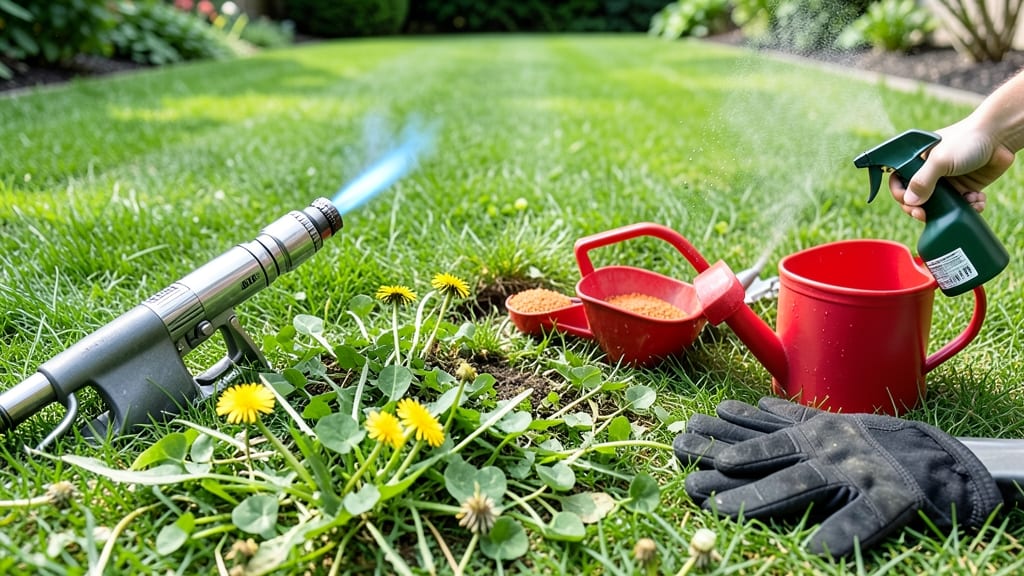
Burning lawn weeds with targeted heat treatment turns stubborn dandelions, crabgrass, and clover into crispy memories instead of persistent problems. 🔥 I've battled these weeds for years, and this method finally gives me the edge—without resorting to harsh chemicals that harm the grass underneath. The secret lies in precision: controlled heat kills weeds on contact while leaving your lawn unscathed.
You'll need a propane-powered weed burner (rent or buy), safety gear (gloves, goggles, long sleeves), and a calm, windless day. Most people skip the prep work, but clearing debris first and working in small sections makes all the difference.
My first attempt left blackened patches—until I learned to move the flame in steady, overlapping passes.
Within minutes, weeds curl and crisp like autumn leaves, while your grass stays green and untouched. The best part? You can treat the entire yard in under an hour, and results last until your next mowing. Just time it right—early morning or late afternoon when winds are calmest.
This method works best for broadleaf weeds and young grass competition, but it’s not magic. Thick thatch or deep-rooted weeds might need a second pass. For eco-conscious gardeners, this beats herbicides while still delivering fast, visible results. Ready to reclaim your lawn?
📚 In This Guide
- What you need
- Instructions
- Tips and common mistakes
- Wrapping up and next steps
What you need
- ● Propane torch: A long-handled, adjustable-flame torch (e.g., Weed Torch, Torchmate, or similar) with a 10-15 foot hose for safety.
- ● Propane tank: A 20-pound refillable tank (ensure it’s full and leak-tested before use).
- ● Fire extinguisher: A 5-pound ABC-rated extinguisher (keep it within arm’s reach at all times).
- ● Water source: A garden hose with a spray nozzle (for emergencies or cooling hot spots).
- ● Gloves: Heat-resistant garden gloves (e.g., mechanic’s or welding gloves) to protect your hands.
- ● Safety goggles: ANSI-rated goggles to shield eyes from debris or sparks.
- ● Trash bag or rake: For collecting charred weed debris afterward.
- ● Wind screen: A clear plastic tarp or windbreak (if working on windy days).
- ● Weed barrier cloth: To prevent regrowth after treatment.
- ● Broadcast spreader: For applying grass seed or pre-emergent herbicide post-treatment.
- ● Fire-resistant mat: A metal or ceramic mat to place under the torch for stability.
Step-by-Step instructions for targeted heat treatment on lawn weeds
Here's my battle-tested method for using controlled flame to eliminate weeds without harming your grass.
☀️ Step 1: Prepare the Lawn for Safe Burning
First, choose a day with calm winds and dry conditions—this is critical for safety and effectiveness. Mow the lawn to a height of 2-3 inches, which creates space for the flame to reach weed roots while protecting the grass crown. I always do this in the late afternoon when temperatures are warm but not extreme, giving the grass time to recover overnight.
Remove any loose debris, rocks, or mulch from the area—these can become projectiles when heated. Focus only on small, isolated weeds (dandelions, clover, or chickweed) in patches no larger than 3 feet square. Larger areas require professional equipment and training. If your lawn has thatch buildup over ½ inch, skip burning—it can smolder and damage grass roots.
🔥 Step 2: Select and Test Your Flame Tool
For small lawns, a propane weed torch (like those used for landscape maintenance) works best. I prefer models with adjustable flame height and a shielded nozzle to protect nearby grass. Never use a blowtorch or homemade device—these lack the precision and safety features needed for lawn work.
Test the flame on a small patch of weeds in an inconspicuous area first. Hold the torch 4-6 inches above the weeds and apply a gentle, sweeping motion for 2-3 seconds per weed. The goal is to blacken the weed foliage without igniting the grass. If the grass turns brown or crispy, you're holding the flame too close or for too long.
✂️ Step 3: Apply Heat Targeted to Weeds Only
Work in small sections, systematically moving across the lawn. Focus the flame directly on the weed leaves and stems—the heat will travel down to the roots and kill the plant. Move the torch in slow, overlapping passes to ensure full coverage. You'll see the weed leaves wilt and darken within seconds; this confirms the heat is penetrating.
Keep the torch moving constantly—lingering in one spot risks scorching the grass. If you notice smoke or a strong burning smell, pull back immediately. The grass should remain green and slightly singed at the tips, while weeds will look blackened and crispy. Repeat treatment on stubborn weeds after 3-5 days if they regrow.
💧 Step 4: Post-Treatment Care for Grass Recovery
After burning, water the lawn lightly to cool the soil and reduce stress on the grass. Avoid heavy watering for 24 hours, as this can wash away the protective layer of heat-affected weed debris. I find that early morning watering the next day helps the grass recover faster by replenishing moisture without overheating.
Wait 5-7 days before mowing again—this gives the grass time to regenerate. If you see yellow patches where weeds were, it’s normal; the grass will recover as long as the roots weren’t damaged. For persistent weeds, repeat the process once more in 7-10 days, but never burn the same spot more than twice in a month.
⏰ Step 5: Monitor and Maintain Weed-Free Zones
Keep an eye on treated areas for new weed sprouts—they’ll be more vulnerable after the initial burn. Hand-pull any regrowth immediately, as they’re easier to remove when young. I schedule weekly inspections during the growing season to catch weeds before they spread.
For long-term results, combine heat treatment with pre-emergent herbicide in early spring (if your grass type allows it) or corn gluten meal as a natural pre-emergent. The flame kills existing weeds, while these methods prevent new ones from taking hold. Repeat the process 2-3 times per season for the best results.
Tips & tricks for targeted lawn weed elimination
Mastering this method takes practice—here's how to avoid common pitfalls and get the best results.
Timing is Everything: The late afternoon timing in Step 1 isn't just about convenience—it gives your grass those crucial evening hours to recover while still benefiting from daytime warmth. I've seen lawns recover faster when treated between 3-5 PM, especially in hotter climates. If you're working in cooler weather, consider pushing treatment to early afternoon to maintain soil warmth.
Precision Over Power: That 4-6 inch distance and 2-3 second rule in Step 2 might seem strict, but it's the difference between effective treatment and grass damage. I recommend marking your torch with tape at the 4-inch point so you can maintain consistent distance without measuring each time. For thicker weeds like dandelions, you can extend to 3 seconds—but never exceed 4 seconds or you risk grass damage.
Visual Cues for Success: In Step 3, focus on these three visual signals: weed leaves should darken to black within seconds, grass should only show slight singeing at the tips, and you should see minimal smoke. If you're getting more smoke than blackening, you're either holding the flame too close or the weeds are too dry. A light mist with water before treatment can help if weeds are particularly dry.
Seasonal Adjustments: The 5-7 day recovery window in Step 4 can vary by season. In spring and fall when growth is slower, you might need the full 7 days, while summer lawns can recover in just 5 days with proper watering. I always check soil temperature—if it's below 60°F, extend the recovery time by 2 days to prevent stress on the grass roots.
Pro Tips for Burning Lawn Weeds
- Mastering this method takes practice—here's how to avoid common pitfalls and get the best results.
- Timing is Everything: The late afternoon timing in Step 1 isn't just about convenience—it gives your grass those crucial evening hours to recover while still benefiting from daytime warmth.
- Precision Over Power: That 4-6 inch distance and 2-3 second rule in Step 2 might seem strict, but it's the difference between effective treatment and grass damage.
Frequently asked questions
Got questions about burning lawn weeds? You're not alone!
Here are some of the most common concerns—and straightforward answers—to help you tackle weeds with heat like a pro.
Is burning weeds safe for my lawn and pets?
Burning weeds can be safe if done correctly, but it’s not risk-free. Use a propane torch only on dry, wind-free days and keep pets and kids at a safe distance. Avoid burning near flammable materials (like wood piles or sheds) and never use gasoline or kerosene—these release toxic fumes. For extra safety, wear gloves and eye protection.
When is the best time of year to burn weeds?
The ideal window is late spring or early summer when weeds are actively growing but before they go to seed. Avoid burning during droughts or high winds, and never do it during humid or rainy weather. Early morning burns (when dew is present) can also help reduce smoke and improve effectiveness.
Will burning weeds kill grass too?
If done carefully, targeted burning won’t harm your grass. Use a torch with a narrow flame and focus only on the weeds, avoiding direct contact with grass blades. For thick or stubborn weeds, apply heat in short bursts (2–3 seconds per section) to minimize damage. Water your lawn lightly before and after burning to protect the roots.
What’s a good alternative if I don’t want to burn weeds?
If fire isn’t your thing, try these heat-based alternatives:
- Boiling water: Pour it directly on weeds (works best for small patches).
- Solarization: Cover weeds with clear plastic for 4–6 weeks to bake them in the sun.
- Vinegar spray: Mix 1 gallon of vinegar, 1 cup dish soap, and 1 cup salt for a natural herbicide.
- Manual removal: Dig out weeds with a weeding tool on a dry day.
Why do some weeds keep coming back after burning?
Persistent weeds often have deep roots or seeds that survived in the soil. To break the cycle:
- Burn weeds multiple times (2–3 weeks apart) to exhaust their energy reserves.
- Rake away debris after burning to remove dead plant matter.
- Improve soil health with compost or mulch to discourage regrowth.
- Consider a pre-emergent herbicide in early spring to prevent new sprouts.
Wrapping up and next steps
Burning lawn weeds might seem daunting, but with the right tools, safety precautions, and timing, you can transform your yard into a lush, weed-free paradise. 🌱 Whether you opt for a controlled flame weeder, torch, or even a propane-powered tool, the key is precision—targeting weeds while protecting your grass and surrounding plants.
Remember, safety always comes first!
Ready to take action? Start small—test a patch of your lawn first to see how your grass responds to the heat. Then, roll up your sleeves and reclaim your yard, one weed at a time!
For extra peace of mind, consider investing in protective gear and keeping a garden hose nearby. Happy burning—and even happier gardening! 🔥