
Pests and Diseases
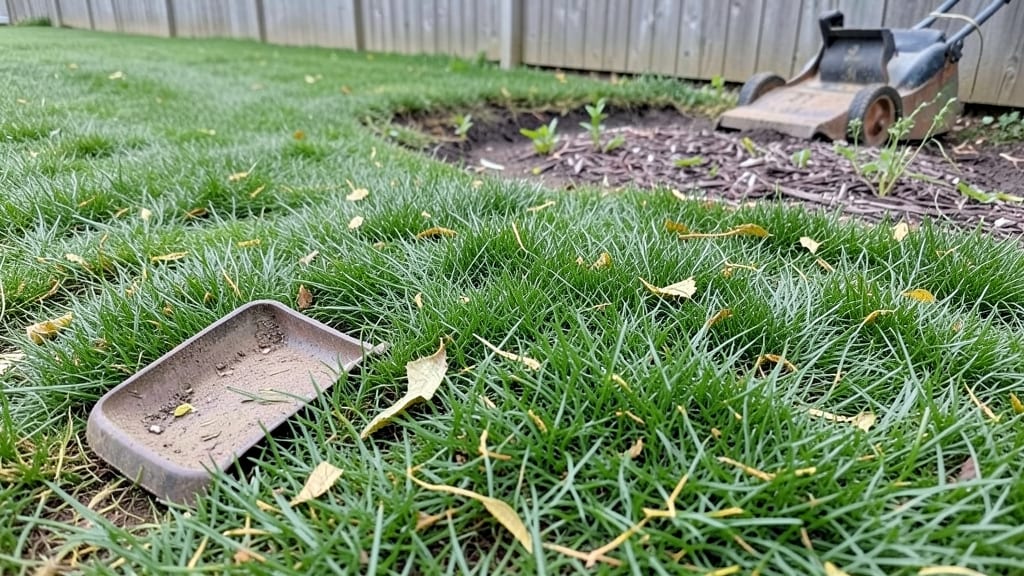
Grass clippings make an excellent free mulch option when used correctly, thanks to their high nitrogen content that enriches soil as they break down. 🌱 The key is balancing decomposition speed—fresh clippings can mat if left thick, while properly shredded mulch holds moisture near roots while suppressing weeds.
I've seen dramatic improvements in garden beds after switching to grass mulch, especially for perennials like lavender or rosemary, which thrive with consistent moisture but hate soggy roots.
Just remember: never use grass mulch on newly seeded areas or during droughts, as it can smother tender shoots or pull moisture from struggling plants. The decomposition process also releases heat, which might stress delicate seedlings.
For best results, alternate grass mulch with other organic materials like straw or wood chips to create a balanced, nutrient-rich layer.
💡 In This Article
- How Grass Mulch Affects Soil and Plant Health
- Best Practices for Using Grass Clippings as Mulch
How grass mulch affects soil and plant health
Grass mulch works by creating a protective layer that regulates soil temperature and moisture while feeding beneficial microbes as it decomposes. The high nitrogen content (typically 2-4% by weight) in fresh clippings provides a quick nutrient boost, but this can become problematic if not managed properly.
When grass breaks down, it releases ammonia, which initially raises soil pH slightly—this is why many gardeners recommend mixing it with carbon-rich materials like wood chips to balance the ratio and prevent nitrogen burn on sensitive plants.
The moisture retention benefits come from how grass mulch acts like a sponge, holding 2-3 times its weight in water while slowly releasing it to roots. This is particularly valuable in sandy soils where water drains too quickly, or in hot climates where evaporation rates are high.
You'll notice a dramatic difference in watering frequency when using grass mulch—established shrubs like boxwood or hydrangeas often require 30-50% less supplemental watering during summer months compared to bare soil.
Weed suppression happens through two mechanisms: blocking sunlight and creating physical barriers. Grass mulch smothers weed seeds by reducing light penetration to 10-15% of full sunlight at a 2-inch thickness, which is enough to prevent most annual weeds from germinating.
The dense mat also disrupts weed growth by making it difficult for seedlings to push through the fibrous material. However, this same mechanism can backfire if applied too thickly—layers over 3 inches can suffocate plant roots by preventing oxygen and water penetration.
Potential risks depend heavily on grass type and application method. Cool-season grasses like Kentucky bluegrass decompose more slowly than warm-season varieties such as Bermuda, creating thicker thatch layers that can harbor fungal diseases like brown patch.
The heat generated during decomposition (temperatures can reach 140-160°F in thick piles) may also stress heat-sensitive plants. Fungal growth becomes a concern when grass mulch stays too wet, creating anaerobic conditions that produce unpleasant odors and attract pests like slugs.
Here's what's actually happening at the microbial level: As grass decomposes, it feeds soil bacteria and fungi that break down cellulose and lignin. These microbes then release nutrients like nitrogen, phosphorus, and potassium in forms plants can absorb.
The process creates a microhabitat that supports earthworms and beneficial insects, which further aerate the soil. However, if the carbon-to-nitrogen ratio gets too high (over 30:1), decomposition slows dramatically, leading to thatch buildup.
For best results, consider these key factors when applying grass mulch: Use shredded clippings (not whole clumps) to speed decomposition, apply 1-2 inches thick on established plants, and avoid using it on areas with poor drainage.
The texture should feel like fine confetti rather than thick straw—this ensures proper airflow while maintaining moisture. 🌿