
Watering
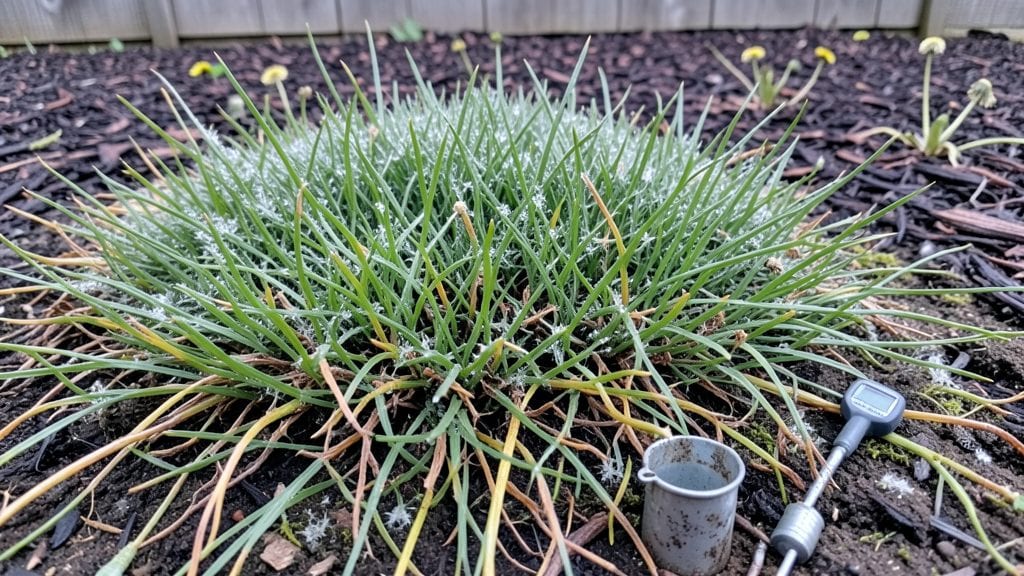
Overwatered grass can recover if caught early, but severe damage may require time, proper drainage fixes, and reduced watering to restore root health. Yellowing, spongy turf, or fungal growth signals stress—act fast to prevent permanent harm.
When grass struggles from too much water, it’s not just about wilting—roots suffocate when oxygen gets crowded out, leaving them weak and prone to disease. 🌱 I’ve seen lawns bounce back in weeks with proper care, but chronic overwatering can take months or even kill grass entirely if soil stays waterlogged.
The key is acting fast: reducing watering immediately and improving drainage can make all the difference in reviving that green.
Think of it like a sponge—too much water forces air out, and without oxygen, roots can’t breathe or absorb nutrients. That’s why you’ll often see brown patches or mushrooms popping up after heavy rains or overzealous watering.
The good news? Most grass types are resilient, but they need your help to recover by cutting back on water and giving their roots room to breathe.
💡 In This Article
- How Overwatering Damages Grass Roots and Soil
- Step-by-Step Grass Revival After Overwatering
How overwatering damages grass roots and soil
Here's what's actually happening beneath your lawn when water piles up: grass roots need oxygen to thrive, and excess moisture displaces it like a flooded basement. When soil stays saturated for more than 48 hours, oxygen levels drop below 10% by volume—critical for root respiration.
This suffocation triggers anaerobic conditions, where harmful bacteria thrive and produce toxic byproducts like methane and hydrogen sulfide, further damaging roots. 🔥
The damage doesn't stop at roots—soil structure suffers too. Waterlogged conditions cause clay particles to swell and bind tightly, creating compacted layers that restrict water and air movement. This compaction reduces pore space by up to 30%, making it harder for roots to penetrate.
Even worse, excess moisture leaches essential nutrients like nitrogen and potassium, which grass needs to rebuild after stress. The result? Weakened turf that struggles to bounce back from drought, pests, or disease.
Fungal infections like brown patch disease take advantage of this weakened state. Pathogens like Rhizoctonia solani thrive in wet conditions, creating circular dead patches that spread rapidly. You'll often see this after prolonged overwatering, especially in warm, humid climates where fungal spores multiply quickly.
The key factor here is moisture duration—24-48 hours of saturation is enough to create ideal fungal growth conditions. 💫
Microbial imbalances also play a role. Healthy soil contains beneficial microbes that help break down organic matter and make nutrients available. But when soil stays waterlogged, these helpful bacteria die off while anaerobic microbes dominate, creating an environment that's hostile to grass roots.
This shift disrupts the natural nutrient cycle, leaving your lawn starved even when watered properly.
What most people don't realize is how quickly these problems compound. A single heavy watering might not cause damage, but when combined with poor drainage or frequent overwatering, the effects become permanent.
The soil structure degrades over time, and roots become dependent on constant moisture rather than developing deep, resilient systems that can withstand dry periods. This is why lawns that recover from overwatering often need months of careful management to rebuild their root strength.
Consider this comparison: healthy soil has 25-30% air space by volume, while waterlogged soil might only have 5-10%. That's the difference between roots that can breathe and grow versus roots that suffocate.
When you see spongy turf or mushrooms popping up, that's your soil screaming for better drainage and less water. The good news? With proper aeration and reduced watering, most lawns can recover their soil structure within 6-12 months, though severe cases may take longer. ✨
The science behind this involves understanding soil physics. Water molecules bond tightly to soil particles in saturated conditions, creating a physical barrier that prevents oxygen from reaching roots. This is why aeration—using tools like core aerators to create ¼-inch diameter holes every 3-4 inches—becomes so crucial for recovery.
These holes allow oxygen to reach deeper soil layers while improving water drainage. Without this intervention, overwatered lawns often remain vulnerable to future stress. 💛