
Pests
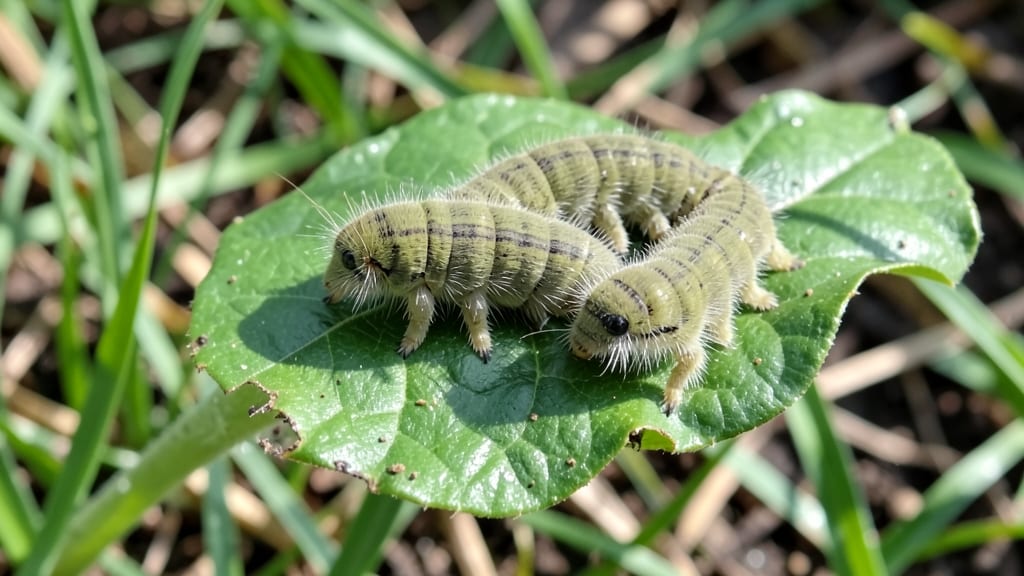
Caterpillars in grass aren’t just a nuisance—they can turn your lawn into a skeleton in weeks. 🌱 I’ve watched armyworms strip entire backyards bare, and the key to stopping them is knowing when they strike and how to act fast.
These hungry pests thrive in warm weather, often hidden until the damage is done.
The worst part? Most store-bought sprays kill everything—good bugs included. Instead, I’ve used neem oil and beneficial nematodes to target caterpillars without harming your lawn’s ecosystem. Cutworms and armyworms both leave behind chewed blades, but the right approach stops them before they multiply.
You’ll learn to spot their trails, time your treatments for maximum impact, and even attract natural predators like birds and parasitic wasps. Within 7-10 days, your grass can bounce back—thicker, greener, and caterpillar-free. The secret is acting before the lawn shows signs of stress.
Works for all grass types, from shady fescue to sunny Bermuda. Let’s get your lawn back to its best without harsh chemicals.
Why it happens
When you spot caterpillars lurking in your grass, it’s rarely an accident—they’re following nature’s calling card. These striped, wriggling intruders don’t just appear out of nowhere; they’re drawn to your lawn for very specific reasons.
Understanding why they’re there is the first step to outsmarting them without harming your yard. Let’s break down the science behind their grassy invasions.
🌱 1. A Buffet of Fresh, Nutrient-Rich Grass
Grass isn’t just green carpeting—it’s a caterpillar’s all-you-can-eat salad bar. Most lawn-dwelling caterpillars, like the sod webworm or armyworm, are herbivores with a voracious appetite for Poaceae (the grass family).
Young grass blades are especially tender, packed with water, sugars, and proteins that fuel rapid growth. Overwatered or over-fertilized lawns make the problem worse by creating a lush, slow-digesting feast that caterpillars can’t resist.
- 🔍 Signs: Irregular brown patches that expand like a "skipping rope" pattern (a telltale sign of armyworms).
- 💡 Pro Tip: Mow your lawn at the higher setting (3–4 inches) to toughen blades and reduce caterpillar appeal.
🌿 2. Warmth and Moisture: The Perfect Hatching Climate
Caterpillars are cold-blooded, meaning they rely on external conditions to thrive. Grass acts like a natural incubator, trapping heat and moisture near the soil surface—ideal for egg-laying moths and emerging larvae.
Most grass-loving caterpillars prefer warm, humid seasons (spring to early fall), when temperatures hover between 65–85°F. Even a slight increase in rainfall or irrigation can trigger a caterpillar explosion.
| Season | Peak Activity | Why? |
|---|---|---|
| Spring (April–June) | High | Moths lay eggs in newly softened grass after winter. |
| Summer (July–August) | Very High | Heat and humidity accelerate egg hatching and larval growth. |
| Fall (September–October) | Moderate | Cool nights slow growth, but larvae still feed before pupating. |
💡 Pro Tip: If your lawn stays damp for days after rain, caterpillars will linger. Use a soaker hose for deep watering (early morning) to avoid soggy conditions.
🪰 3. Lack of Natural Predators (Or Your Help)
In a balanced ecosystem, caterpillars are kept in check by birds, spiders, parasitic wasps, and even fungi. But modern lawns—especially those treated with pesticides—often disrupt this food chain. When you eliminate predators (like by using broad-spectrum insecticides), caterpillar populations boom unchecked.
Even "green" lawns can suffer if they lack diversity; monoculture grass offers no hiding spots for beneficial insects.
- 🔍 Signs of Predator Deficit:
- Few birds (like robins or sparrows) foraging in your yard.
- No visible spider webs or wasp nests near the grass.
- Sudden, large patches of damage (not gradual).
- 🌱 Actionable Fix: Plant native wildflowers or clover in borders to attract predator insects. Even a small "wild" patch can make a difference!
🌍 4. Human Habits That Invite Them In
Sometimes, the caterpillar crisis is your fault. Common lawn care mistakes create the perfect caterpillar magnet:
- Over-fertilizing: Nitrogen-heavy fertilizers produce soft, fast-growing grass that’s easier to chew.
- Compacted soil: Heavy foot traffic or machinery stresses grass, making it more vulnerable to pests.
- Ignoring thatch: A thick thatch layer (dead grass buildup) traps moisture and eggs, creating a caterpillar nursery.
- Monoculture grass: St. Augustine, Bermuda, or Kentucky bluegrass are caterpillar favorites—they offer zero defense.
💡 Pro Tip: Aerate your lawn in late summer to reduce compaction and thatch. This disrupts caterpillar egg-laying sites and improves grass resilience.
Quick Fixes for Grass Caterpillar Problems
Finding caterpillars munching on your grass can be frustrating, but the good news is that many natural solutions exist to tackle the issue without resorting to harsh chemicals.
Below are targeted fixes based on the most common causes—whether it’s overpopulation, diseased plants, or weather-related stress—along with prevention tips to keep your lawn healthy long-term.
🔥 Overpopulation: Reduce Caterpillar Numbers Naturally
Caterpillars thrive when food (your grass!) is abundant and predators are scarce. Here’s how to disrupt their feast:
🍳 Handpick & Relocate (Best for Small Infestations)
- 👨🍳 Step 1: Wait for early morning or evening when caterpillars are sluggish.
- 🔪 Step 2: Use gloves to gently scoop them into a bucket of soapy water (1 tbsp dish soap per gallon).
- ⏰ Step 3: Release them far from your lawn (at least 100 yards away) or let birds eat them.
🌿 Encourage Natural Predators
- 🐦 Attract birds: Install birdhouses or feeders near your lawn—robins, sparrows, and wrens love caterpillar snacks.
- 🐛 Boost beneficial insects: Plant nectar-rich flowers (like marigolds or dill) to draw ladybugs, lacewings, and parasitic wasps.
💡 Pro Tip:
💡 Avoid pesticides! They kill predators too, making future outbreaks worse. Stick to manual removal or organic sprays like Bacillus thuringiensis (Bt), a bacteria that targets caterpillars only.
🌡️ Diseased or Weak Grass: Strengthen Your Lawn
If caterpillars are drawn to stressed grass, focus on recovery:
🥗 Improve Soil Health
- 📊 Test your soil: Use a DIY kit (available at garden centers) to check pH and nutrient levels.
- 💪 Fertilize properly: Apply a slow-release, organic fertilizer (like compost or bone meal) to boost grass resilience.
🌱 Overseed Bare Spots
- 🌱 Step 1: Rake out thin or dead patches.
- 🌱 Step 2: Spread grass seed (choose a variety suited to your climate).
- 💧 Step 3: Water lightly daily until new growth appears (about 2–3 weeks).
✨ Prevent Fungal Issues
- 🌡️ Water deeply but less often: Early morning watering (1–1.5 inches per week) reduces fungal growth.
- 🌿 Aerate compacted soil: Rent a core aerator to improve airflow and root health.
🌦️ Weather-Related Stress: Adjust Care Routines
Drought or excessive rain can weaken grass, making it a caterpillar buffet. Adjust your lawn care:
💧 Drought Recovery
- 🌧️ Water slowly and deeply: Use a soaker hose to avoid runoff.
- 🌱 Mow higher: Set your lawnmower to 3–4 inches to shade roots and retain moisture.
🌧️ Post-Rain Care
- 🌿 Rake up debris: Remove fallen leaves or thatch to prevent fungal growth.
- 🔄 Adjust mowing height: Lower slightly (but not below 2 inches) to promote faster drying.
🎯 Long-Term Prevention Checklist
Stop caterpillars before they start with these habits:
- 🌿 Plant diverse ground covers: Clover or creeping thyme can outcompete grass and deter pests.
- 🕵️ Monitor regularly: Check for eggs (tiny white clusters on grass blades) in spring/summer.
- 🌱 Rotate treatments: Alternate between handpicking, Bt spray, and predator-friendly methods to avoid resistance.
Remember: A healthy lawn is the best defense. With patience and these natural strategies, your grass will bounce back—caterpillar-free! 🌱🐛🚫
Frequently asked questions
What do caterpillars in grass look like?
Grass caterpillars vary by species, but common types like armyworms are green or brown with white stripes and grow to 1-2 inches long. Cutworms appear gray or black with smooth bodies, while sod webworms are pale yellowish. Look for their distinctive trails of chewed grass blades—often in skipping rope patterns.
Are caterpillars in grass harmful to my lawn?
Yes, they can cause significant damage by eating grass blades down to the roots. Armyworms, for example, can defoliate entire lawns in 2-3 days during outbreaks. The key is acting fast—once brown patches appear, the caterpillars are already multiplying.
How do I know if caterpillars are the problem?
Check for these signs: irregular brown patches (not drought spots), chewed grass blades, or tiny white egg clusters on blades. If you see striped or fuzzy caterpillars hiding in the grass during the day, that confirms the issue. Early morning is the best time to spot them.
Can I use neem oil on caterpillars in grass?
Yes! Neem oil is an effective, organic solution. Mix 1 tablespoon per gallon of water with a drop of dish soap as a surfactant, then spray directly on caterpillars and grass blades. Reapply every 5-7 days for best results. It disrupts their feeding and growth without harming beneficial insects.
Will birds eat caterpillars in my lawn?
Birds like robins, sparrows, and wrens love caterpillars as a protein-rich snack. Install birdhouses or feeders near your lawn to attract them. You’ll often see them pecking at the grass after you’ve removed some caterpillars—it’s nature’s pest control!