
Lawn
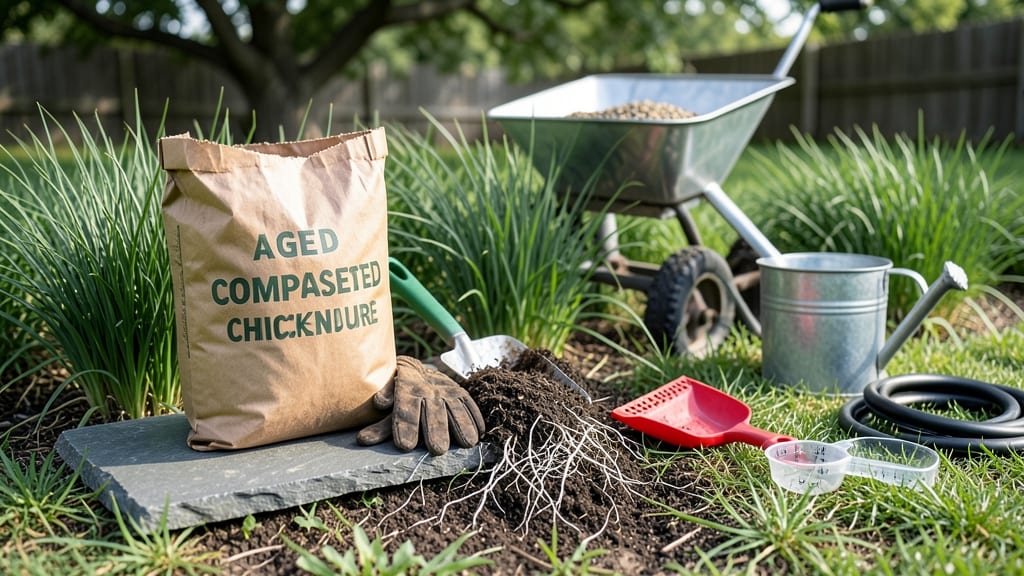
Chicken manure for lawn fertilization provides a powerful nitrogen-rich organic boost that enhances grass growth and soil health when used properly—always compost it first to prevent burning, then spread a thin layer in early spring or fall, followed by thorough watering.
This natural fertilizer isn't just about nitrogen—it also introduces beneficial microbes that break down organic matter, creating a healthier soil ecosystem over time. 🌱 Unlike synthetic fertilizers, chicken manure improves soil structure while feeding your lawn gradually, which is why many organic gardeners swear by it for long-term results.
The key lies in proper aging and application timing, as fresh manure can scorch grass blades if not handled correctly.
For best results, I recommend mixing aged chicken manure with your existing soil or using it as a top-dressing. This approach ensures even distribution while protecting your lawn from potential ammonia burns. The nitrogen release happens slowly, making it ideal for seasonal growth periods rather than quick fixes.
💡 In This Article
- How Chicken Manure Enhances Lawn Soil and Grass Growth
- Step-by-Step Guide to Safely Applying Chicken Manure on Lawns
How chicken manure enhances lawn soil and grass growth
Chicken manure is a powerhouse fertilizer because it contains 4-5% nitrogen by weight—about 2-3 times more than cow manure and nearly as potent as some synthetic nitrogen sources. This nitrogen comes primarily from uric acid in chicken droppings, which breaks down into ammonia and nitrates that grass roots can absorb.
The magic happens when this nitrogen combines with phosphorus and potassium to create a balanced nutrient profile that promotes robust root development and vibrant green growth. Unlike chemical fertilizers that deliver a quick but short-lived boost, organic chicken manure releases nutrients gradually through microbial activity.
The real soil transformation occurs through its microbial benefits. Fresh chicken manure contains 10,000-100,000 colony-forming units (CFUs) per gram of beneficial bacteria and fungi that decompose organic matter. These microbes create tiny pores in the soil, improving aeration and water retention—critical factors for lawn health.
The organic matter also acts like a sponge, holding 3-5 times more water than mineral soil, which helps grass survive drought periods. Studies show lawns treated with aged chicken manure maintain 20-30% more moisture in their root zones compared to untreated soil.
What sets chicken manure apart is its ability to improve soil structure over time. The decomposition process creates humus, a dark, spongy material that enhances soil tilth (workability) and cation exchange capacity—the soil's ability to hold and release nutrients.
This is why organic gardeners notice deeper root systems and thicker grass blades after consistent applications. The contrast with synthetic fertilizers is striking: while chemicals provide immediate but temporary nitrogen spikes, chicken manure builds long-term soil fertility through its complex organic interactions.
However, the benefits depend entirely on proper preparation. Fresh chicken manure has a pH of 6.5-7.5 but contains high ammonia levels that can burn grass if applied directly. The key is composting or aging it for 6-12 months to stabilize the nitrogen and reduce salt content.
During this process, the ammonia converts to less volatile forms while beneficial microbes proliferate. I've seen lawns transform from dull, patchy growth to lush carpets of grass within 2-3 growing seasons when using properly aged chicken manure.
For visual comparison, imagine two lawns side by side: one receiving synthetic fertilizer and the other getting aged chicken manure. The chemical-treated lawn might show immediate green-up but often develops thatch layers and requires frequent reapplication.
The organic lawn, however, develops a 1-2 inch deeper root zone and maintains color through seasonal changes without the same level of maintenance. The difference becomes especially noticeable during summer heat waves when the organic lawn stays greener longer.
Here's what's actually happening at the microscopic level: The composting process creates a symbiotic relationship between bacteria, fungi, and earthworms. These organisms break down the manure's complex organic molecules into simpler compounds grass can absorb.
The earthworms, in particular, create burrows that improve drainage while their castings add additional nutrients. This biological activity continues long after application, creating a self-sustaining nutrient cycle that synthetic fertilizers simply can't replicate.