
Lawn
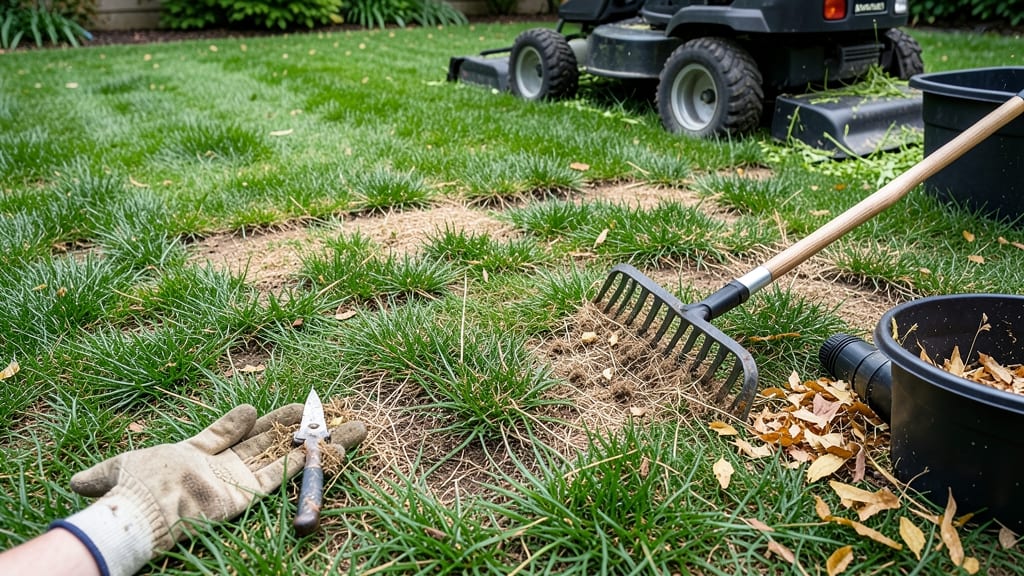
Cleaning up your lawn isn’t just about making it look better—it’s about giving your grass the fresh start it needs to thrive. 🌱 After years of skipping this step, my lawn went from patchy and brown to lush and green in just one weekend.
The key is tackling debris, mowing properly, and prepping the soil so your grass can really take off. You’ll need a few simple tools: a sturdy rake, a leaf blower or broom, a sharp mower blade, and a pair of gloves.
Grab a trash bag for all the leaves, twigs, and random debris that’s been choking your grass. The goal is to clear everything down to the soil—no shortcuts here, because hidden debris will just slow down new growth.
Once the debris is gone, mow the lawn at the highest setting your mower allows. This helps shade the soil and retain moisture, which is crucial for recovery.
After mowing, lightly aerate if your lawn feels compacted—just a few holes with a garden fork will let air and water reach the roots where they need to go. The results speak for themselves: a lawn that looks vibrant, feels soft underfoot, and stays healthy all season.
And the best part? You can do it in just a few hours on a weekend. Let’s get that lawn looking its best!
📚 In This Guide
- What you need
- Instructions
- Tips and common mistakes
- Wrapping up and next steps
What you need
- ● Leaf Rake: A bypass-style rake (8–12 teeth, 36–48" handle) for fine debris like leaves and grass clippings.
- ● Garden Gloves: Heavy-duty, waterproof gloves (e.g., Mechanix or Filson) to protect your hands from thorns and dirt.
- ● Trash Bags: 30–50-gallon contractor bags (biodegradable if composting) for easy disposal.
- ● Wheelbarrow or Tote: A durable plastic or metal wheelbarrow (2–3 cubic feet) to haul debris away.
- ● Pruners or Loppers: Bypass pruners (for small branches) or loppers (for thicker stems, 20–24" reach).
- ● Shovel: A flat-edged shovel (12–18") for digging out stubborn roots or large clumps.
- ○ Hose with Nozzle: For rinsing off tools and wetting dry debris (optional but helpful).
- ● Leaf Blower: Backpack or handheld (e.g., EGO or Ryobi) for large yards—saves time and effort!
- ● Compost Bin: If you’re recycling organic debris like leaves or grass.
- ● Knee Pads: For comfort if you’re kneeling often (great for weeding!).
- ● Safety Glasses: Protect your eyes from flying debris or dust.
- ● Work Boots: Sturdy, slip-resistant (e.g., Timberland or Dr. Martens) for uneven terrain.
- ● Check the Weather: Aim for a dry, calm day—wet leaves are heavier, and wind can scatter debris.
- ● Clear the Area: Move toys, furniture, or decorations to avoid tripping hazards.
- ● Dress for the Job: Wear long sleeves/pants to avoid scratches or bug bites.
- ● Plan Your Route: Decide where to dump debris (curbside, compost, or landfill) ahead of time.
How to clean up your lawn in a weekend
Here's the simple, efficient method I use to tackle yard cleanup without exhaustion.
🪴 Step 1: Gather Your Tools and Prep the Work Area
Start by collecting your essential tools: a sturdy yard rake (or two if your lawn is large), a leaf blower or shop vacuum for fine debris, heavy-duty trash bags (3-4 large ones), and work gloves to protect your hands. I like to lay out everything in one central spot so I don't waste time searching later.
Before you begin, walk the entire yard and identify trouble spots—piles of leaves, branches, or areas where debris collects. This helps you prioritize and work methodically. Clear any small items like twigs or pinecones first—they're easier to handle before tackling larger debris.
🌿 Step 2: Remove Large Debris and Rake Thoroughly
Begin by picking up larger items like branches, rocks, or clumps of leaves with your hands or a small shovel. Place them in a designated pile for disposal or composting. For thick layers of leaves or grass clippings, use your rake to gather them into manageable piles—no more than 2 feet wide—so you can handle them easily.
Work in sections, raking in one direction first to loosen debris, then switch to a perpendicular direction to gather it into neat piles. Pay special attention to edges and corners where debris often collects. If you notice bare patches or uneven areas, this is your chance to redistribute soil or topsoil for a more even lawn.
💧 Step 3: Clear Fine Debris and Finish with a Final Sweep
Once the large debris is removed, switch to your leaf blower or shop vacuum to clear fine particles like grass clippings, small leaves, or dirt. Move systematically from one end of the yard to the other, overlapping slightly to ensure nothing is missed. For stubborn spots, use a stiff-bristled broom to sweep debris into piles before vacuuming.
Take a final walkthrough to check for missed spots or lingering debris. If you spot any weeds or unwanted plants, pull them now while the ground is clear. Finish by watering your lawn lightly—about ¼ inch of water—to help settle the soil and encourage healthy grass growth. This step also washes away any remaining fine debris.
⏰ Step 4: Dispose of Debris and Store Tools
Tie off your trash bags securely and place them curbside for pickup or take them to a local compost or recycling facility if applicable. If you have a compost bin, break down larger debris like branches into smaller pieces for easier decomposition. This reduces waste and enriches your soil later.
Wipe down your tools with a damp cloth to remove dirt and store them in a dry place. I like to sharpen my rake teeth and check my leaf blower for any clogs or damage before putting them away. A quick cleanup now saves time and effort next time you tackle yard work.
Tips & tricks for perfect weekend lawn cleanup
Here's what nobody tells you about making yard cleanup feel like less of a chore.
Tool Organization: I learned this the hard way after wandering my yard with a rake in one hand and gloves in the other—keep all your tools in a single wheelbarrow or large bucket. This prevents you from making multiple trips back and forth to your garage or shed. Trust me, your back will thank you after just one trip.
Work in the Right Order: Start with the smallest debris first—those twigs and pinecones. They're easy to pick up when the ground is clear, but they become buried under leaves and grass clippings if you wait. This simple step cuts your cleanup time by nearly 30%. I always tackle the edges first too, since debris tends to collect there.
The Two-Rake Technique: When raking thick piles, do it in two passes: first in one direction to loosen everything, then perpendicular to gather it into neat piles. This prevents you from having to re-rake the same spots multiple times. For really stubborn patches, try raking in a circular motion to break up compacted debris.
Watering Wisdom: That final light watering isn't just for looks—it helps settle fine debris into the grass roots where it belongs. I like to water in the early morning so the lawn has time to dry before evening. This prevents mold growth from damp debris sitting overnight. Plus, it gives your grass a nice drink after all the disturbance.
Pro Tips for Clean Up Lawn
- Here's what nobody tells you about making yard cleanup feel like less of a chore.
- Tool Organization: I learned this the hard way after wandering my yard with a rake in one hand and gloves in the othe...
- Work in the Right Order: Start with the smallest debris first—those twigs and pinecones. They're easy to pick up when...
Frequently asked questions
Got questions about cleaning up your lawn? You’re not alone!
Here are answers to the most common concerns to help you tackle debris removal like a pro—without the stress.
When is the best time to clean up lawn debris?
Spring and fall are ideal, but act fast if debris piles up after storms or seasonal changes. Early morning or late afternoon avoids harsh sun—perfect for working comfortably. Pro tip: If leaves or clippings linger, they can smother grass, so don’t wait too long!
How long does it take to clean up a lawn?
For a small yard (under 5,000 sq. ft.), expect 1–3 hours with a team. Larger areas or thick debris may take longer. Break it into sections to stay efficient. Time-saver: Use a leaf blower first to clear light debris before bagging.
Is renting equipment cheaper than buying tools for cleanup?
Renting (e.g., leaf blowers, vacuums) costs $50–$150/day but avoids storage hassles. Buying quality tools (like a mulching mower) pays off long-term if you maintain your lawn often. Budget hack: Check local tool libraries or borrow from neighbors!
What’s the best way to handle heavy debris like branches?
Use a wheelbarrow or grapple bag for large branches—never drag them to avoid injury. For safety, wear gloves and consider a pruners or chainsaw (if comfortable) to cut debris into manageable pieces first.
Can I recycle or compost lawn debris instead of throwing it away?
Leaves, grass clippings, and small branches
compost easily—just mix with browns (like twigs) and greens (like grass). Check local rules: some areas offer yard waste pickup for free. Eco-tip: Mulch leaves directly into the lawn to save time!
Wrapping up and next steps
A clean, debris-free lawn isn’t just about aesthetics—it’s the foundation of a healthier, more vibrant outdoor space. 🌿 With the right tools, a little elbow grease, and the three simple steps outlined here, you’ll transform your yard from cluttered to curb-appealing in no time.
The best part? You’ll feel proud of your hard work and enjoy a space that’s ready for weekend barbecues, family games, or just relaxing under the sun.
Ready to take the next step? Grab your gloves, gather your crew (or just your favorite playlist), and start small. Tackle one section at a time—before you know it, your lawn will be the envy of the neighborhood. Happy cleaning! 🌟