
Lawn
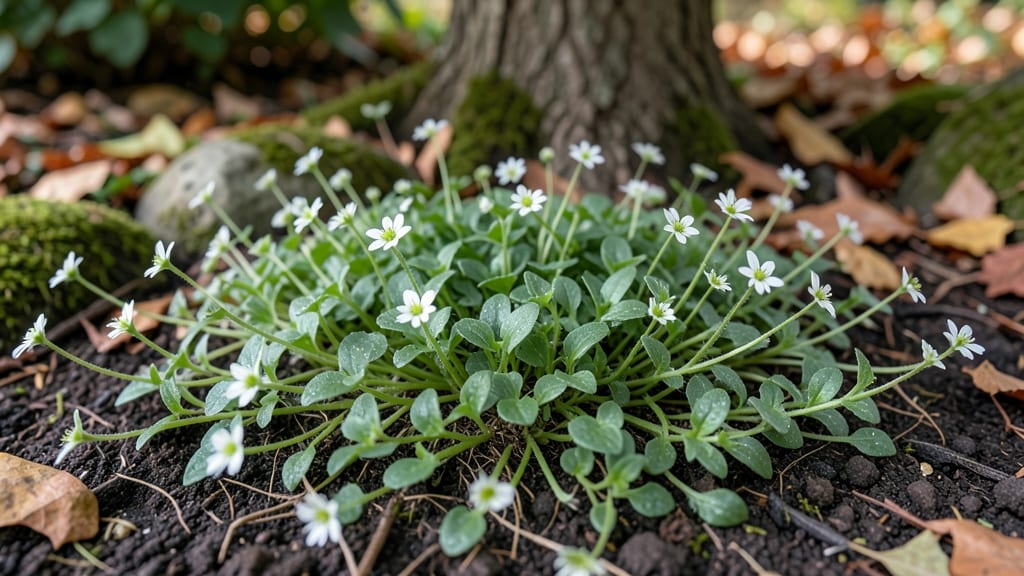
Fighting common lawn chickweed just got easier—this stubborn weed crumbles with the right approach. 🌱 I’ve battled it in my own yard, and the secret isn’t brute force but smart timing and targeted methods that work in as little as 24 hours.
This weed thrives in cool, damp conditions, often popping up after rain or in shaded spots where grass struggles. The good news? It’s shallow-rooted, so removal is faster than you’d think—no tilling or harsh chemicals required. You’ll see results quickly with the right technique.
By the end of this guide, you’ll know how to identify it, remove it efficiently, and prevent it from coming back. No more wasted weekends pulling weeds by hand or guessing what’s actually working. Works for any lawn type, from sunny backyards to shady patches where grass gives up.
Let’s reclaim that turf!
Root Causes of Lawn Weed Spread
If you’ve ever spotted a sudden outbreak of common lawn chickweed (or Stellaria media) creeping across your yard, you’re not alone. This resilient weed thrives in specific conditions, and understanding why it happens is the first step to reclaiming your lawn.
Below, we break down the key factors that turn your grass into a chickweed buffet—and how to address them.
Chickweed is a soil opportunist, meaning it capitalizes on weak, nutrient-poor, or compacted soil where grass struggles to grow. Here’s why it takes over:
- Low organic matter: Chickweed thrives in soil with <1-2% organic content, while healthy lawns need 5%+. Without compost or mulch, your soil lacks the structure and nutrients to support thick grass.
- High moisture retention: It loves damp, poorly draining soil—think clay-heavy or overly watered lawns. Overwatering (especially in shaded areas) creates the perfect soggy environment for seeds to germinate.
- pH imbalances: Chickweed prefers slightly acidic to neutral soil (pH 6.0–7.0). If your lawn’s pH is off (too acidic <6.0 or alkaline >7.5), grass weakens, leaving gaps for weeds to invade.
Actionable fix: Test your soil (DIY kits cost $10–$20) and amend with compost, peat moss, or sulfur to adjust pH. Aerate compacted soil in spring/fall to improve drainage.
Chickweed is a shade-tolerant weed, meaning it outcompetes grass in low-light areas. Here’s the science:
- Low light = weak grass: Grass needs 4–6 hours of direct sunlight daily to photosynthesize. In shadier spots (under trees, fences, or dense shrubs), grass thins, creating bare patches.
- Chickweed’s advantage: It grows low to the ground (1–6 inches tall) and spreads via prostrate stems, smothering grass roots. Its leaves stay green longer in shade, while grass yellows.
- Traffic and wear: High-foot-traffic areas (pet paths, play zones) compact soil, reducing grass density. Chickweed fills the void because it roots shallowly but spreads aggressively.
Actionable fix:
- Mow shady areas higher (3–4 inches) to shade out weeds.
- Overseed with shade-tolerant grass like fine fescue or creeping red fescue.
- Use a lightweight mulch (straw, pine needles) to protect soil and block light to weed seeds.
Chickweed isn’t just persistent—it’s strategic. It germinates and spreads during specific windows, often catching lawns off guard:
- Cool seasons (fall/spring): Chickweed is a cool-season annual, meaning it germinates when soil temps drop below <70°F (spring) or rise above 80°F (fall). It dies back in summer heat, but its seeds lie dormant until conditions improve.
- Winter survival: Unlike many weeds, chickweed can persist through light frosts thanks to its high moisture content and ability to photosynthesize at low temps.
- Post-disturbance growth: After aeration, overseeding, or even rain, chickweed seeds (which can lie dormant for years) get the signal to sprout when soil is disturbed.
Actionable fix:
- Apply a pre-emergent herbicide in early spring (before soil temps hit 50°F) to block germination.
- Avoid over-tilling—it stirs up dormant seeds. Instead, use a broadfork for minimal disturbance.
- Mow regularly in fall to prevent seed production before winter.
Chickweed doesn’t just invade—it outcompetes grass through sheer persistence. Here’s how:
- Rapid reproduction: A single chickweed plant can produce 15,000+ seeds per year, which scatter via wind, water, and even lawn equipment.
- All-year growth cycle: While many weeds go dormant in winter, chickweed grows year-round in mild climates, creating a self-perpetuating mat.
- Grass fatigue: If your lawn is thin, diseased, or nutrient-deficient, grass can’t crowd out chickweed. Weeds like chickweed steal nutrients (nitrogen, phosphorus) from the soil, weakening grass further.
Actionable fix:
- Fertilize in early spring with a balanced 10-10-10 or slow-release formula to boost grass growth.
- Implement a 3-step lawn care routine:
- Mow high (3–4 inches) to shade out weeds.
- Water deeply but infrequently (1–1.5 inches per week) to encourage deep grass roots.
- Overseed bare spots with a dense, competitive grass mix (e.g., Kentucky bluegrass + perennial ryegrass).
Quick Fixes for Stubborn Lawn Weeds
Tired of seeing those pesky common lawn weeds ruining your pristine grass? The good news is that with the right approach, you can tackle them effectively—without resorting to harsh chemicals.
Below, we’ve mapped out practical solutions based on the root causes of your weed problem, along with prevention tips to keep your lawn lush and weed-free.
---
If your lawn is thick with weeds because the grass isn’t getting enough sunlight or nutrients, it’s time to give your turf a little TLC.
How to Fix It: ✅ 🔥 Mow Higher – Set your mower to 3–4 inches. Taller grass shades out weeds and develops deeper roots, making it harder for chickweed to take hold.
✅ 🍳 Overseed Bare Spots – Fill in thin or bare patches with high-quality grass seed. Choose a mix that matches your climate (e.g., Kentucky bluegrass for cool seasons, Bermuda for warm).
✅ 👨🍳 Fertilize Properly – Apply a slow-release, nitrogen-rich fertilizer in early spring or fall. Avoid over-fertilizing, which can encourage weed growth.
✅ 💡 Pro Tip: Water deeply but infrequently (1–1.5 inches per week) to encourage deep grass roots while keeping weeds from germinating.
---
Chickweed thrives in damp, shady conditions. If your lawn stays soggy, it’s an open invitation for weeds.
How to Fix It: ✅ 🔪 Improve Drainage – Aerate compacted soil in the fall to help water drain faster. Use a core aerator for best results.
✅ ⏰ Adjust Watering Schedule – Water early in the morning (before 9 AM) to reduce humidity and fungal growth. Avoid evening watering, which keeps lawns damp overnight.
✅ 🌡️ Use Mulch – Spread a thin layer of organic mulch (like straw or wood chips) in shady areas to retain moisture for grass while suppressing weeds.
✅ ✨ Prevention Hack: Install a rain gauge to monitor soil moisture—overwatering is one of the fastest ways to invite weeds.
---
Weeds love shade because grass struggles to grow there. If your lawn has too many shady areas, chickweed will move in.
How to Fix It: ✅ 🌿 Plant Shade-Tolerant Grass – Switch to grass varieties like fine fescue or creeping red fescue, which thrive in low light.
✅ 🍎 Add Ground Cover Plants – Mix in clover or moss to fill gaps naturally. These plants outcompete weeds while adding texture to your lawn.
✅ 🎯 Prune Overhanging Trees – Trim branches that block sunlight from reaching your lawn. Even a little more light can make a big difference.
✅ 💡 Smart Tip: If shading is unavoidable (e.g., large trees), consider a shade-loving ornamental ground cover instead of grass in extreme cases.
---
For small infestations, pulling weeds by hand is the most eco-friendly method—and it works fast.
How to Fix It: ✅ 🔪 Pull Early & Often – Chickweed is easiest to remove when young. Grab the weed at the base (where the stem meets the soil) and tug gently but firmly.
✅ 🍳 Use a Weeding Tool – A dandelion digger or hori-hori knife makes quick work of stubborn roots. Just twist to break them free.
✅ 👨🍳 Dispose Properly – Don’t compost weeds with seeds (like chickweed)—they’ll just regrow! Toss them in the trash or use them as mulch in garden beds (where they won’t sprout).
✅ ⏰ Best Time to Pull – Early morning or late afternoon when the soil is moist but not muddy. Avoid pulling after rain, as the roots may slip.
---
If your lawn is already overrun, a targeted natural weed killer can help eliminate chickweed in 24 hours—without harming your grass.
How to Fix It: ✅ 🔥 Boiling Water Treatment – Pour boiling water directly over chickweed patches. The heat kills the plant instantly. ⚠️ Warning: Only use on small areas—it can also harm grass if overapplied.
✅ 🍳 Vinegar & Soap Spray – Mix 1 gallon of white vinegar, 1 cup dish soap, and 1 cup salt in a spray bottle. Apply on a dry, sunny day (avoid wind). The acetic acid burns weeds while the soap helps it stick.
✅ 👨🍳 Corn Gluten Meal – Apply 20 lbs per 1,000 sq ft in early spring to prevent weed seeds from germinating. It’s pre-emergent, organic, and safe for grass.
✅ ✨ DIY Spot Treatment Table: | Weed Type | Best Natural Killer | Application Time | |----------------------|----------------------------------|----------------------------| | Chickweed (small) | Boiling water or vinegar spray | Morning (dry, sunny day) | | Chickweed (large) | Corn gluten meal (preventative) | Early spring | | Shady patches | Overseeding + mulch | Fall or early spring |
--- Final Prevention Checklist: - 📊 Mow high (3–4 inches). - 💪 Aerate compacted soil annually. - 🌡️ Water deeply but less often. - 🎯 Pull weeds before they seed. - 🌱 Overseed bare spots in fall.
With these steps, your lawn will be weed-free in no time—and stay that way with minimal effort! 🚀
Frequently asked questions
Is common lawn chickweed toxic to pets or children?
No, chickweed is completely non-toxic and safe around pets and kids. In fact, it's often used in herbal remedies for its soothing properties. However, while it won't harm them, it's still best to remove it to maintain a clean, healthy lawn.
Why does chickweed keep coming back even after removal?
Chickweed produces thousands of seeds that can remain dormant in soil for years. Even small patches left unchecked will reseed. The key is consistent removal and improving lawn health to prevent regrowth—focus on proper mowing height, fertilization, and overseeding.
Can I use vinegar to kill chickweed without harming my grass?
Vinegar works best for spot treatments on small areas. Use a 20% acetic acid solution (or full-strength white vinegar) mixed with dish soap on a dry, sunny day. For grassy areas, apply carefully to avoid damaging surrounding turf—it's better suited for driveways or pathways.
What's the best time of year to prevent chickweed?
Fall is the most critical time for prevention. Apply corn gluten meal in early fall to block seed germination. Also, maintain proper mowing height and watering practices—chickweed struggles when grass is healthy and competitive.
Will chickweed kill my grass if left untreated?
Not directly, but it will outcompete your grass by stealing nutrients and sunlight. A thick chickweed mat can smother grass roots, leading to thinning lawns. The good news is that chickweed is shallow-rooted, so proper lawn care can easily regain control.