
Lawn
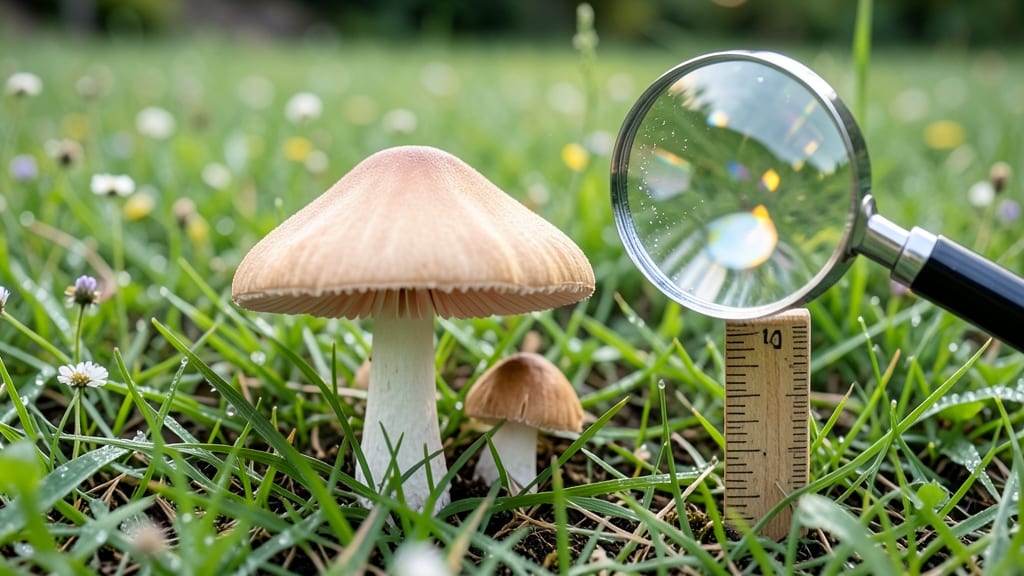
Those mysterious common lawn mushrooms popping up in your lawn aren't just unsightly—they could be edible, toxic, or a sign of deeper soil issues. 🌱 Before you grab a rake, learn how to tell the difference between harmless puffballs and dangerous species, plus how to manage them for a healthier yard.
Fairy rings, morels, and chanterelles each tell a different story about your lawn's health. Some mushrooms thrive on decaying roots, while others signal compacted soil or overwatering. The key is identifying them correctly—never assume a mushroom is safe to eat or harmless to your grass.
With the right approach, you can restore your lawn's appearance and health without harsh chemicals. Organic solutions like proper watering, aeration, and targeted fungicides work better than simply pulling mushrooms—because the real problem often lies beneath the surface.
Whether you're curious about wild edibles or just want to eliminate unsightly growth, this guide covers identification, safe removal, and long-term prevention. Your lawn—and your curiosity—will thank you.
📚 In This Guide
- What you need
- Instructions
- Tips and common mistakes
- Wrapping up and next steps
What you need
- ● Field Guide or App: A reliable mushroom ID guide (e.g., National Audubon Society Field Guide to North American Mushrooms) or apps like iNaturalist or PictureThis.
- ● Basket or Mesh Bag: A breathable container (avoid plastic—it traps moisture and spoils mushrooms 🌧️). Aim for 10–15 gallons capacity.
- ● Knife (Dull or Serrated): A 3–4 inch foraging knife for cutting stems (never pull mushrooms from the ground!).
- ○ Gloves (Optional but Recommended): Thin, breathable gardening gloves to protect against dirt, sap, or minor irritants.
- ● Small Trowel or Spoon: For gently lifting mushrooms without damaging mycelium (helps future growth!).
- ● Plastic or Paper Bags: For temporary storage (use paper bags for short trips to keep mushrooms dry).
- ● Spray Bottle with Water: To dampen dry mushrooms if harvesting in hot weather.
- ● Cutting Board (Food-Grade Wood or Plastic): Large enough to clean and slice 1–2 lbs of mushrooms at once.
- ● Sharp Chef’s Knife: 8–10 inch for chopping (a Wüsthof or Victorinox works great!).
- ● Colander: For rinsing mushrooms under cool water (avoid soaking—it makes them soggy!).
- ● Paper Towels or Clean Kitchen Towels: To pat mushrooms dry before cooking.
- ● Basic Pantry Staples: Salt (for seasoning)
- ● Olive oil or butter (for sautéing)
- ○ Garlic, onions, or herbs (optional, for flavor)
- ● 100% Confidence in Identification: Never eat a mushroom unless you’re absolutely certain it’s edible (poisonous look-alikes exist!).
- ● First-Aid Kit: Include antihistamines (for allergic reactions) and a mushroom poison guide (e.g., North American Mushrooms by Orson K. Miller Jr.).
- ● Weather Check: Harvest after rain (mushrooms grow best when soil is moist 🌧️). Avoid foraging after pesticide use.
Step-by-Step instructions for identifying, harvesting, and cooking wild lawn mushrooms
Here's how I safely transform wild finds into delicious meals—no confusion, no guesswork.
🍄 Step 1: Verify Identification with Precision
Never eat a mushroom unless you're 100% certain it's edible. I always cross-reference with a field guide or app like iNaturalist, focusing on key features: cap shape, gill attachment, and spore print color. For example, common lawn mushrooms like Morchella esculenta (morels) have honeycombed caps, while Agaricus bisporus (button mushrooms) have free gills and a ring on the stem.
Look for these critical signs: a firm, unblemished cap and no signs of insect damage or slimy texture. If the mushroom bruises blue or red when cut, it's likely a look-alike of a poisonous species—discard it immediately. I also check the habitat: many edible lawn mushrooms grow in grassy areas after rain, often in clusters.
✂️ Step 2: Harvest with Care and Cleanliness
Use a sharp knife to cut mushrooms at the base, leaving the mycelium intact for future growth. Twisting or pulling can damage the underground network and reduce next year's harvest. I wear disposable gloves and carry a small mesh bag to collect specimens—this prevents cross-contamination with other wild plants or debris.
Handle only what you intend to cook. If you're unsure about a specimen's age or condition, leave it behind. Never harvest mushrooms near roadsides, industrial areas, or where pesticides might have been used. Once home, brush off dirt with a soft brush or damp cloth—never wash them, as excess moisture encourages spoilage.
🔥 Step 3: Prepare for Cooking with Safety First
Slice mushrooms into even pieces, about ¼ inch thick, for uniform cooking. I soak them in cold water for 10-15 minutes to remove any remaining dirt or insects, then pat them dry with paper towels. This step is crucial for flavor and texture—wet mushrooms steam instead of sear.
Heat a skillet over medium-high heat and add 1 tablespoon of oil (I prefer olive or butter for rich flavor). Let the oil shimmer before adding mushrooms in a single layer—crowding causes steaming. Cook for 3-5 minutes per side until golden brown, stirring occasionally. The edges should crisp slightly while the centers remain tender.
🍽️ Step 4: Season and Finish Deliciously
Remove the mushrooms from the pan and set aside. In the same skillet, add 2 cloves minced garlic and 1 teaspoon dried thyme, cooking for 30 seconds until fragrant. Pour in ½ cup of white wine or vegetable broth and scrape up any browned bits from the bottom—this adds depth of flavor.
Return the mushrooms to the pan and simmer for 2 minutes until the liquid reduces slightly. Season with salt and pepper to taste, then finish with a sprinkle of fresh parsley. Serve immediately over pasta, in omelets, or alongside grilled meats. The key is balancing the earthy mushroom flavor with bright, acidic notes—like lemon zest or a splash of balsamic vinegar.
Tips & tricks for perfect wild lawn mushroom prep
Took me years to perfect these techniques after nearly ruining a harvest with careless mistakes—don't make the same errors.
Spore Print Precision: For absolute certainty, create a spore print before eating any wild mushroom. Place the cap (gills down) on white paper in a sealed container for 12 hours. The resulting print reveals hidden characteristics—like the blue-green spores of Agaricus species—that confirm identification. I keep a small notebook of prints from my local mushrooms to compare against.
Harvesting Technique: The knife cut in Step 2 matters more than you'd think. Angle your blade at 45 degrees and slice just below the soil line—this prevents tearing the mycelium while keeping the mushroom intact. I've found that using a serrated knife (like a bread knife) gives cleaner cuts than a chef's knife. Always harvest after a light rain when mushrooms are plump and fresh.
Cooking Time Mastery: Those 3-5 minutes per side in Step 3 can feel like an eternity when you're waiting for perfect browning, but patience pays off. The edges should develop a golden crust while the centers remain slightly springy—like al dente pasta. If your mushrooms release too much liquid, reduce the heat to medium temporarily to avoid steaming. A splatter screen helps maintain that crisp texture.
Flavor Enhancement: The 2 minutes of simmering in Step 4 might seem short, but it's crucial for reducing the wine or broth to a glossy consistency. For extra depth, add a pinch of sugar during this time—it caramelizes slightly and balances the earthy mushroom flavor. I also like finishing with a squeeze of lemon juice right before serving to cut through any richness.
Pro Tips for Common Lawn Mushrooms
- Took me years to perfect these techniques after nearly ruining a harvest with careless mistakes—don't make the same errors.
- Spore Print Precision: For absolute certainty, create a spore print before eating any wild mushroom.
- Harvesting Technique: The knife cut in Step 2 matters more than you'd think.
Frequently asked questions
about common lawn mushrooms—because foraging should be fun and safe! Here are answers to the questions we hear most often.Are all lawn mushrooms safe to eat?
No—never eat a mushroom unless you’re 100% certain it’s edible. Some common lawn mushrooms, like Agaricus bisporus (button mushrooms) or Psathyrella candolleana (dewdrop mushrooms), are safe, but others (like Amanita species) are deadly. Use a field guide or app (like iNaturalist) and cross-check with a local expert before harvesting.
When is the best time to harvest lawn mushrooms?
The ideal time is after a rainy night or early morning when mushrooms are fully grown but haven’t released spores. Avoid harvesting after frost or when the ground is waterlogged. Morning light helps you spot them easier—just don’t pick them if they’re slimy or rotting!
What if my lawn has mushrooms but I don’t want them?
Mushrooms are a natural sign of healthy soil, but if you dislike their appearance, try these solutions:
- Reduce moisture: Improve drainage or water less frequently.
- Aerate the lawn: Breaks up compacted soil, discouraging fungal growth.
- Avoid over-fertilizing: Too much nitrogen can fuel mushroom growth.
- Handpick them: Wear gloves and dispose of them in yard waste (don’t compost them).
Can I cook lawn mushrooms like store-bought ones?
Yes! Once identified and cleaned, common lawn mushrooms cook just like grocery-store varieties. Sauté them with garlic and butter, add them to pasta, or grill them. Pro tip: Soak them in saltwater for 10 minutes to remove dirt before cooking. Avoid eating raw mushrooms—they can cause stomach upset!
What should I do if I accidentally eat a poisonous mushroom?
If you suspect poisoning, call Poison Control (1-800-222-1222 in the U.S.) immediately. Save any leftover mushroom pieces or a photo for identification. Do NOT wait for symptoms—some reactions (like liver failure) take hours to appear. When in doubt, throw it out!
Wrapping up and next steps
Identifying and harvesting common lawn mushrooms can be a rewarding—and delicious—way to connect with nature. Remember, safety first: always double-check with a field guide or expert before eating any wild mushroom. Now that you’re equipped with knowledge, why not start small?
Try foraging in a trusted, pesticide-free lawn, or even grow your own edible varieties like oyster or shiitake mushrooms at home. Happy foraging, and may your kitchen soon be filled with homegrown flavors! 🍄✨