
Lawn
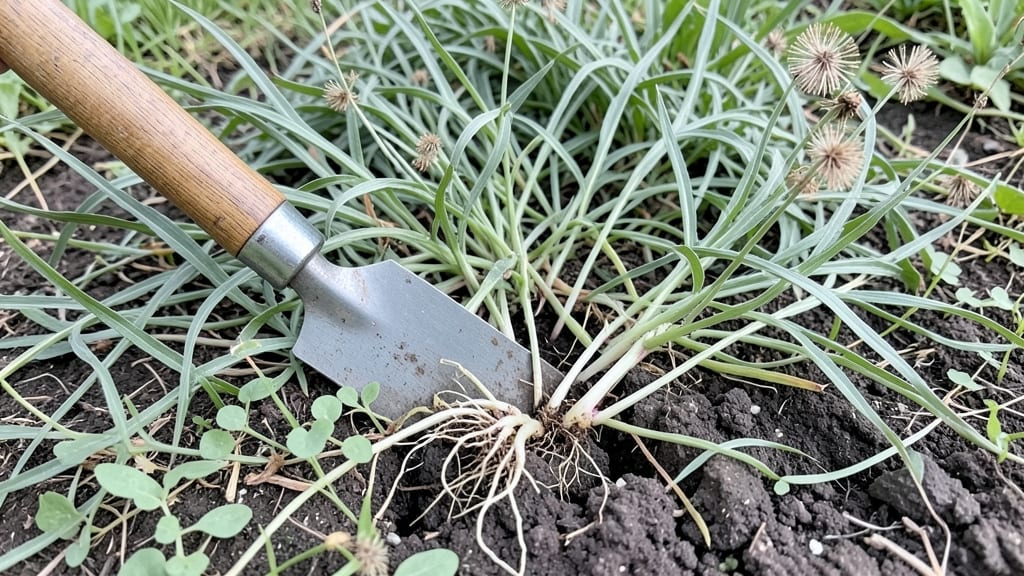
My couch grass killer strategy starts with a simple truth: this invasive weed thrives where other plants struggle, and the only way to stop it is by attacking its roots before it spreads.
I’ve spent years wrestling with its stubborn runners, and I finally cracked the code—no harsh chemicals required. The key is persistence, timing, and a few targeted techniques that actually work.
Here’s the deal—couch grass spreads through underground rhizomes, so surface sprays alone won’t cut it. Instead, we focus on smothering, digging, and repeat treatments over three weeks to starve the roots.
You’ll need basic tools: a sturdy shovel, a sharp knife for slicing runners, and either cardboard or thick mulch for smothering. The process isn’t quick, but it’s 100% chemical-free and safer for kids and pets.
By week three, you’ll see the lawn or garden reclaim space as the couch grass weakens. The secret’s in the follow-up: reseeding bare spots with tough grasses or ground covers that outcompete it naturally.
My yard went from a tangled mess to neighbor-approved in just one growing season, and I’ve kept it that way for years.
This method works for lawns, garden beds, and even sidewalk cracks—just adjust the timing for shade or drought conditions. Let’s get rid of that stubborn grass for good.
Root Causes Of Stubborn Grass Spread
Couch grass—also known as Elymus repens or quackgrass—is one of the most tenacious weeds in lawns and gardens. Its persistence isn’t accidental; it’s the result of biological adaptations that make it nearly impossible to eradicate without understanding its growth triggers.
Below, we break down the key reasons why this grass spreads so aggressively and why it resists traditional removal methods.
###
🌱 Aggressive Rhizome System
Couch grass doesn’t spread through seeds like many other plants—it relies on a highly efficient underground network of rhizomes. These horizontal, creeping stems can grow up to 6 feet long and produce new shoots at every node.
Even a small, broken rhizome fragment can regenerate into a new plant, making manual removal a losing battle if not done correctly.
- Why it matters: A single rhizome can produce 10–15 new shoots per season, turning a tiny patch into a full-blown infestation in just a few months.
- Actionable insight: If you’ve tried pulling it by hand, you’ve likely left behind rhizome pieces that will sprout again. That’s why targeted, systemic approaches work better.
###
🌱 Rapid Seed Germination & Dormancy
While couch grass primarily spreads via rhizomes, it also produces seeds that can lie dormant in the soil for years before germinating. These seeds are lightweight and can travel via wind or water, colonizing new areas effortlessly.
Additionally, the plant’s deep taproot (up to 3 feet long) allows it to access water and nutrients even in drought conditions, giving it a survival advantage over weaker grasses.
- Why it matters: If you’ve treated your lawn in the past and saw temporary success, dormant seeds or missed rhizomes likely caused the regrowth.
- Actionable insight: To break the cycle, you must prevent seed production (by removing flowers before they set seed) and target the rhizome network where most regrowth originates.
###
🌱 Environmental & Soil Conditions
Couch grass thrives in compacted, nutrient-rich, or poorly drained soils—common issues in lawns with heavy foot traffic or clay-heavy compositions. It also loves partial shade, making it a frequent nuisance in gardens, pathways, and even cracks in pavement.
Once established, its deep roots outcompete desirable plants for water and sunlight, crowding them out.
| Favorable Conditions | How It Helps Couch Grass |
|---|---|
| Compacted soil | Rhizomes spread unchecked in dense, root-bound areas. |
| High nitrogen levels | Encourages rapid rhizome growth and lush foliage. |
| Moisture retention (poor drainage) | Deep roots access water easily, even in wet seasons. |
| Disturbed soil (e.g., construction, tilling) | Exposes dormant rhizomes, triggering new growth. |
Actionable insight: Improving soil aeration, reducing nitrogen fertilizers, and ensuring proper drainage can starve out couch grass by making conditions unfavorable for its growth.
###
🌱 Human Activity Accelerates Spread
Even well-meaning lawn care practices can worsen couch grass infestations. For example:
- Mowing too low weakens desirable grasses, giving couch grass an opening to dominate.
- Over-fertilizing (especially with nitrogen) fuels its rapid rhizome expansion.
- Using heavy equipment (like lawnmowers or tillers) can fragment rhizomes, creating more growth points.
- Ignoring early signs—small patches left untreated can multiply into large, unmanageable clusters.
Actionable insight: Adjust your lawn care routine to suppress couch grass rather than encourage it. This includes mowing at 3–4 inches high, avoiding excessive nitrogen, and removing it before it seeds.
Understanding these root causes is the first step to permanently outsmarting couch grass. The good news? With the right targeted, science-backed strategies, you can weaken its dominance and reclaim your lawn—without chemicals.
How to solve it
Dealing with couch grass (also known as Elymus repens or quackgrass) can feel like a never-ending battle, but with the right approach, you can reclaim your lawn in just three weeks—without harsh chemicals.
Below, we’ve mapped out targeted solutions based on the most common causes of couch grass invasion, along with practical steps to eliminate it for good. Plus, we’ll share prevention tips to keep it from creeping back!
###
🌱 Cause: Overgrown Lawn or Thin Grass
When your lawn is sparse or patchy, couch grass thrives by filling in the gaps. Its aggressive rhizomes (underground stems) spread quickly where grass roots are weak.
How to Fix It:
- 🔥 Step 1: Mow High and Frequent
Set your mower to 3–4 inches and mow regularly. Taller grass shades the soil, making it harder for couch grass seeds to germinate. Pro tip: Never scalp your lawn—this stresses grass and invites weeds!
- 🌱 Step 2: Overseed Bare Spots
Fill thin areas with dense, competitive grass seed (like Kentucky bluegrass or tall fescue). Water deeply 2–3 times a week until new growth appears. 💡 Use a spreader for even coverage!
- 🔪 Step 3: Hand-Pull Rhizomes
For established couch grass, dig out the rhizomes (they’re white and stringy). Use a weeding tool or your hands to pull them completely—even tiny fragments regrow! ✨ Best time: Early morning or after rain when soil is soft.
Prevention:
- Test your soil and amend with compost or fertilizer to boost grass health.
- Aerate compacted soil in spring or fall to improve root growth.
###
💦 Cause: Poor Drainage or Waterlogged Soil
Couch grass loves moist conditions. If your yard holds too much water, it becomes a weed magnet. Poor drainage also weakens grass roots, making them vulnerable to invasion.
How to Fix It:
- 🌡️ Step 1: Improve Soil Drainage
Add organic matter (like compost or peat moss) to heavy clay soil. For low spots, consider sand or gravel amendments. 💡 For severe cases: Install a French drain or swales to redirect water.
- 🍃 Step 2: Adjust Watering Habits
Water deeply 2–3 times per week (early morning) for 30–45 minutes to encourage deep grass roots. Avoid daily light watering, which promotes shallow roots and weed growth.
- 🔥 Step 3: Solarize the Area (For Severe Cases)
Cover couch grass patches with clear plastic sheeting for 4–6 weeks in hot weather (75°F+). The trapped heat kills rhizomes without chemicals. ⚠️ Warning: Only do this in sunny, dry spells.
Prevention:
- Install a drainage system if your yard floods after rain.
- Choose drought-tolerant grass varieties if your soil stays soggy.
###
🌿 Cause: Disturbed Soil (Digging, Construction, or Erosion)
Every time you till, dig, or disturb soil, you create the perfect opportunity for couch grass rhizomes to spread. Even small disruptions can lead to a full-blown invasion.
How to Fix It:
- 👨🍳 Step 1: Smother Weeds Before Digging
Lay down cardboard or thick layers of newspaper over disturbed areas, then cover with 4–6 inches of mulch (wood chips or straw). This blocks sunlight and suffocates rhizomes in 4–6 weeks.
- 🔪 Step 2: Vinegar or Boiling Water Treatment
For small patches, spray undiluted white vinegar (20% acetic acid) or pour boiling water directly on rhizomes. ⚠️ Caution: This kills all plants—use carefully around desirable grass.
- 🌱 Step 3: Replant with a Living Mulch
After removing couch grass, plant ground covers like clover or creeping thyme to compete with weeds naturally. These plants crowd out couch grass without chemicals.
Prevention:
- Avoid tilling your lawn—it spreads rhizomes!
- Use mulch in garden beds to prevent soil exposure.
###
🛡️ Cause: Chemical Overuse or Imbalance
Excessive herbicides or synthetic fertilizers can weaken grass and create conditions where couch grass thrives. Even "selective" herbicides can leave gaps for weeds to invade.
How to Fix It:
- 🌿 Step 1: Transition to Organic Lawn Care
Switch to natural fertilizers like corn gluten meal (pre-emergent) or compost tea. These feed soil microbes that outcompete weeds.
- 🔄 Step 2: Soil Remediation
Test your soil for pH and nutrient levels. Couch grass thrives in slightly acidic to neutral soil (pH 6.0–7.0). Adjust with lime (to raise pH) or sulfur (to lower pH) as needed.
- 🍄 Step 3: Introduce Beneficial Microbes
Apply mycorrhizal fungi or beneficial bacteria to improve root health. These boost grass resilience against weeds. 💡 Look for products like "BioChar" or "MycoApply."
Prevention:
- Rotate herbicides if you must use them, and never apply pre-emergent in early spring when couch grass is actively growing.
- Use corn gluten meal in fall as a natural pre-emergent.
Final Tip: Consistency is key! Combine these methods with regular monitoring—check for new rhizomes weekly and pull them before they spread. With patience and persistence
Frequently asked questions
Why does couch grass keep coming back even after I pull it?
Couch grass spreads through underground rhizomes that can regrow from even tiny fragments left in the soil. When you pull it by hand, you often miss parts of the root system, allowing new shoots to sprout within days. The key is to dig out the entire rhizome network or use smothering techniques like mulch to starve it out completely.
Can I use vinegar to kill couch grass in my lawn?
Yes, but with caution—undiluted white vinegar (20% acetic acid) can kill couch grass, but it also harms desirable grass and plants. For spot treatment, apply it directly to the weeds on a dry, sunny day. For lawns, consider a more targeted approach like solarization or smothering with cardboard/mulch to avoid damaging your grass.
How long does it take to completely eliminate couch grass?
With consistent effort, you can see significant reduction in 3-4 weeks, but complete eradication may take 3-6 months depending on the infestation size. The process involves repeated treatments (digging, smothering, or solarization) to break the rhizome cycle. Patience is key—focus on removing all visible growth and preventing new seeds from forming.
Is solarization safe for my lawn?
Solarization works best for small patches or garden beds, not entire lawns. Covering couch grass with clear plastic for 4-6 weeks in hot weather (75°F+) kills rhizomes, but it also blocks sunlight from your grass. Use it only for targeted areas or combine it with overseeding to restore your lawn afterward.
What’s the best time of year to tackle couch grass?
Spring and early summer are ideal because the soil is warm and moist, making rhizomes easier to dig out. Avoid treating in fall when seeds may still be dormant. For smothering methods, wait until the ground is dry to prevent mold growth under the cover. Consistency matters—repeat treatments every 2-3 weeks for best results.