
Lawn
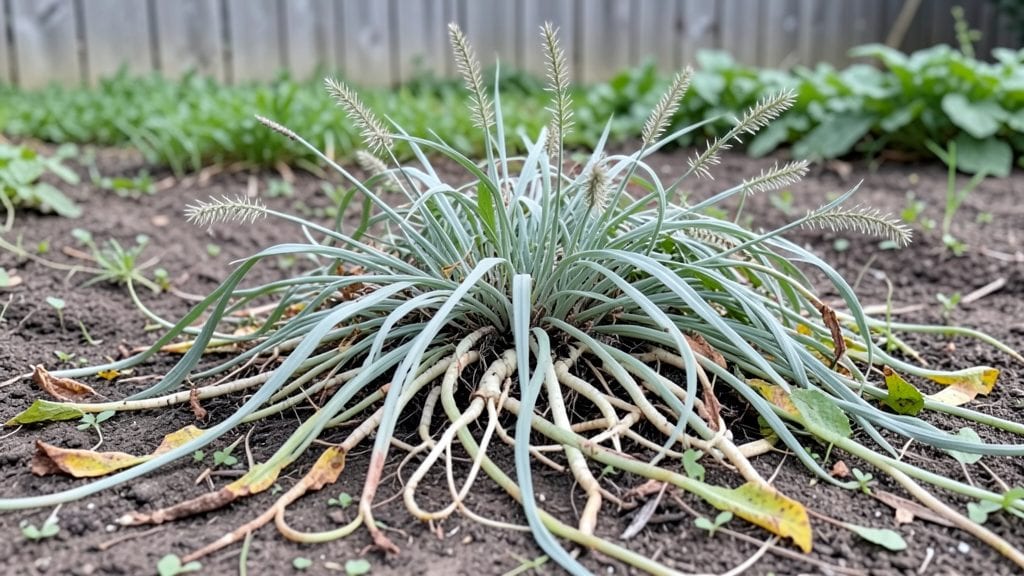
Couch grass meaning refers to Elymus repens, a tough perennial weed known for its underground runners that spread relentlessly, choking out lawn grass and garden plants by dominating resources.
This weed isn't just stubborn—it's a lawn's worst nightmare because its rhizomes can grow up to 6 feet deep and spread horizontally, creating dense networks that resist even shallow removal methods. 🌱 I've seen it transform a lush green yard into a patchy mess within a single season, especially in compacted soil where other plants struggle to compete.
The real kicker? A single rhizome fragment can regrow into a full plant, making complete eradication nearly impossible without the right approach.
Many homeowners confuse it with regular grass because of its blade-like leaves, but the giveaway is those knotty joints along the stems where the rhizomes connect.
Once established, it's nearly impossible to outsmart without combining manual digging with targeted herbicides or smothering techniques—something I learned the hard way after three failed attempts with just vinegar!
💡 In This Article
- How Couch Grass Spreads and Invades Lawns
- Effective Couch Grass Removal Methods for Gardens
How couch grass spreads and invades lawns
The real secret weapon of couch grass is its underground rhizome system, which acts like a hidden superhighway for nutrient and water transport.
These horizontal stems can grow up to 2-3 feet per year, producing new shoots every 9-12 inches while anchoring vertically down to 6 feet deep.
The rhizomes store energy reserves that allow them to regenerate even from tiny fragments as small as 1 inch long, making mechanical removal particularly challenging.
What makes this weed so competitive is its ability to adapt to poor growing conditions. In compacted soil where turfgrass roots struggle to penetrate, couch grass thrives by exploiting just 1-2 inches of loose soil near the surface.
Its deep root system also gives it superior drought tolerance—once established, it can survive with 50% less water than Kentucky bluegrass, making it the last plant standing during dry spells.
The plant's vertical growth habit creates dense canopies that block 70-80% of sunlight from reaching the soil surface, effectively smothering other plants.
The invasion process begins when rhizomes break off during mowing or soil disturbance, each fragment capable of producing multiple shoots. A single plant can generate 10-15 new shoots annually from its rhizome network, creating what botanists call a "monoculture" where couch grass becomes the dominant species.
This aggressive spread disrupts turfgrass ecosystems by altering soil chemistry—its deep roots create channels that encourage water runoff, while its dense growth prevents beneficial microbes from thriving in the upper soil layers.
Here's what's actually happening at the cellular level: Couch grass produces auxin hormones that suppress nearby plant growth, similar to how some trees create "root zones" that inhibit competition.
The plant's C4 photosynthetic pathway (like corn) gives it an energy advantage in hot conditions, while its rhizomes act as biological storage units containing 2-3 times more starch reserves than typical lawn grasses.
This biological arsenal explains why it's so difficult to eradicate—it's not just tough, it's strategically designed to dominate.
Seasonal timing plays a crucial role in its spread. New shoots emerge most aggressively in spring and fall when soil temperatures hover between 50-75°F, while seed production (though less common than rhizome spread) peaks in late summer.
The seeds themselves are lightweight and can travel up to 10 feet via wind, though rhizome fragments remain the primary invasion method. This dual propagation strategy ensures couch grass maintains its ecological dominance across different seasons and conditions.
What most people don't realize is how this weed alters lawn structure at the microscopic level. Its rhizomes create a physical barrier that prevents water and air from penetrating deeper soil layers, leading to that characteristic "spongy" feel in infested lawns.
The plant's ability to grow in full sun or partial shade makes it particularly versatile—unlike turfgrass that requires 6+ hours of sunlight daily, couch grass will thrive in areas where other plants would fail, creating those unsightly bare patches that seem impossible to reclaim.